Herbal Tea Startup Diary: The Franchise Trap of Losing 30,000 Yuan a Month and the Market Truth
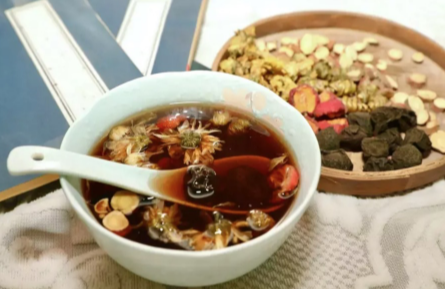
Introduction: When traditional Chinese medicine wellness meets new-style tea drinks, what operational risks lie behind this seemingly win-win business model? Through a real franchise case, this article breaks down the formula management, compliance requirements, and consumer misconceptions of herbal tea shops, and offers practical advice on product selection and positioning to help you rationally assess the opportunities and challenges in this sector.
From 'wellness goji berry latte' to 'dampness-removing job's tears tea', traditional Chinese medicine elements are penetrating the tea market in unexpected ways. In the summer of 2024, the number of new stores for related brands surged year-on-year, and social media topic exposure exceeded 150 million views. But beneath the glossy data, undercurrents are stirring—Mr. Zhou, a franchisee in Zhengzhou, Henan, invested over 400,000 yuan, only to encounter problems such as delayed formulas and products not matching samples, ultimately losing 30,000 yuan a month and being forced to close.
The traditional Chinese medicine concept of 'using medicine as tea' essentially involves boiling or steeping medicinal herbs into health drinks that can be consumed at any time. Although modern herbal tea drinks continue this concept, they face stricter regulatory requirements: The Food Safety Law clearly stipulates that all medicinal herbs used in drinks must be listed in the pharmacopoeia's 'medicine and food homology' catalog, common varieties such as goji berries and red dates that can be seen in supermarkets. Although these products are classified as ordinary food, consumers' trust in their efficacy remains divided—a survey shows 75.47% of respondents are willing to try them, but 47.94% worry about the risks of long-term consumption because 'all medicine is somewhat toxic'.
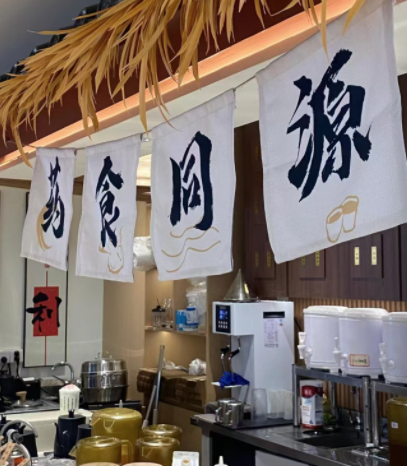
The standardization flaws of the franchise model are fully exposed in Mr. Zhou's case. The brand initially promised to regularly provide seasonal formula upgrade services, but in practice, not only were new product launches delayed, but there was even a basic error of replacing raw materials like red dates and goji berries with pre-packaged sauces. 'The core competitiveness of so-called wellness tea drinks should be scientific proportions and professional guidance,' an industry insider pointed out, 'but most franchise systems lack training in traditional Chinese medicine theory and are more like selling concept packaging.'
Technically, herbal tea drinks face two major difficulties: first, taste control—herbs such as astragalus and poria naturally have a bitter taste, and even adding rock sugar cannot completely mask the medicinal flavor; second, suitability for different constitutions—for example, pregnant women should avoid job's tears and safflower, and children should use goji berries with caution due to their nourishing effects. If these details are not indicated on the menu or reflected in staff training, customer complaints are easily triggered.
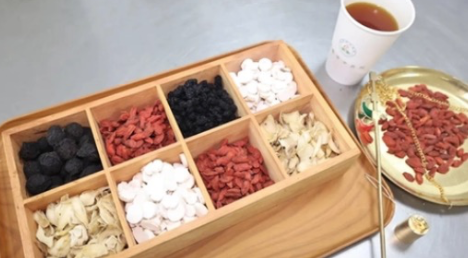
From a business perspective, the niche market for herbal tea drinks does have a demand base. Scenario-based products such as summer heat-relief types (e.g., chrysanthemum and cassia seed tea) and workplace wellness types (e.g., boat-fruited sterculia throat-soothing drink) are more likely to break through. Entrepreneurs are advised to focus on three points: first, verify the brand's qualifications, confirm its cooperative TCM institution background and formula research and development capabilities; second, optimize the product structure, combining classic combinations (e.g., tangerine peel and red bean paste) with innovative items (e.g., dendrobium lemon tea) in proportion; finally, do a good job in consumer education, noting the efficacy of ingredients and contraindicated groups on cups or mini-programs.
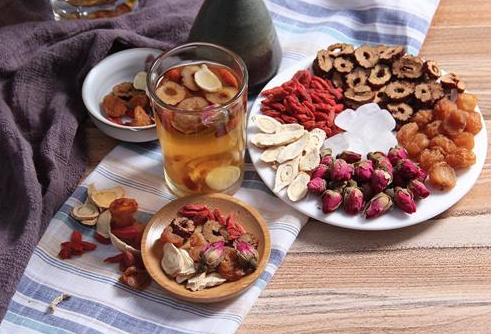
Although Mr. Zhou has temporarily exited, he remains optimistic about the long-term potential of healthy tea drinks. 'The key is to find the balance between professionalism and commercialization,' he summarized in his review. For latecomers, rather than blindly chasing the trend, it is better to thoroughly study the application boundaries of the medicine-food homology catalog and the real weight distribution of the target customer group's preferences for 'wellness' and 'taste'.


