Chengdu Mala Iced Coffee Tested: A 6-Yuan Flavor Experiment Challenging Coffee's Boundaries
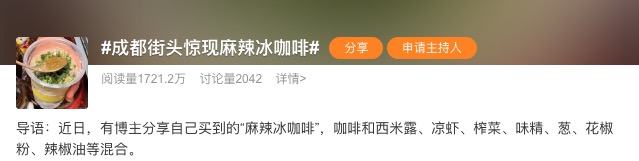
Introduction: When traditional Sichuan seasonings meet modern coffee drinks, what flavor sparks will fly? Recently stirring debate on the streets of Chengdu, mala iced coffee adds tapioca pearls, ground Sichuan pepper and even pickled mustard tuber to a coffee base at a price below a cup of milk tea. Behind this seemingly absurd combination lie locals' commitment to mala culture and the diverse possibilities of coffee innovation. Through on-site flavor analysis, this article walks you through the production logic and real consumer feedback behind this controversial drink.
Mention Chengdu's food map, and the intense impressions of mala hotpot and red-oil wontons usually come first. But a recent set of street-drink photos has overturned conventional thinking—the 6-yuan "mala iced coffee," with a ingredient list combining tapioca pearls, liangxia (cold rice shrimp) and chili oil, quickly climbed social media trending lists. This drink menu, fusing dessert elements with bold seasonings, is redefining people's imagination of coffee-drinking scenarios.
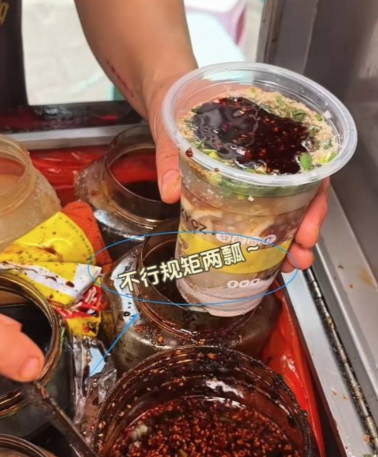
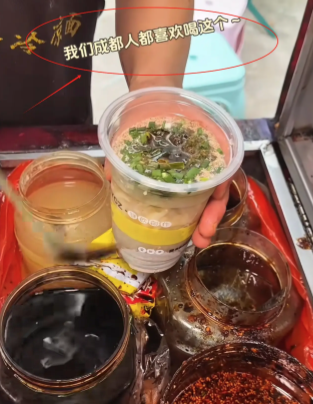
According to on-site tasters, the making of this special drink is quite dramatic: the barista first pulls a base iced coffee, then adds pre-cooked tapioca pearls and translucent jelly-like liangxia in sequence, followed by a sprinkle of fried pickled mustard tuber bits to enhance the texture.The most controversial step is seasoning—the counter always has two spoons of chili oil and plenty of ground Sichuan pepper on hand; even when customers ask for less heat, the vendor insists that "two ladles of chili oil is the fixed recipe," an industry rule.
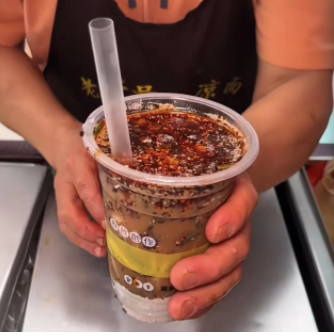
The first sip delivers clearly layered sensations: initially the icy coffee aroma comes with the chewy bounce of tapioca pearls, but as the temperature changes, the lurking numbing tingle of Sichuan pepper gradually awakens the taste buds.The chili heat is released with about a 30-second delay; this after-the-fact stimulation is often described as "an electric current spreading from the base of the tongue through the whole mouth." Notably, the salty umami of the pickled mustard tuber reacts subtly with the coffee oils, forming a unique composite flavor.
Responding to doubts over whether this counts as traditional Chengdu food, local food researchers note that such mashup innovations are closer to the improvised creations of "jianghu snacks."The core feature of Chengdu snacks is the flexible use of mala flavor, but blending a pickled product like mustard tuber directly into a liquid drink is indeed a rare case. Consumer survey data shows about 68% of Chengdu respondents said they had never seen such a combination, while coffee professionals jokingly called it "a contender in the dark-cuisine tournament that challenges the limits of taste."
Market feedback shows the drink's audience is sharply divided: young adventurers are happy to try new things, with some comparing it to the previously popular pepper ice cream; conservatives worry about stomach reactions from the multiple seasonings, joking it could turn them into "jet warriors." Professional baristas suggest that to safely try such innovative drinks, one should first choose a lower chili-oil ratio and make sure the coffee base uses dark-roast beans to balance the spiciness.


