Why Coca-Cola's Spiced Soda Was Discontinued in 7 Months: Market Feedback and New Product Strategy
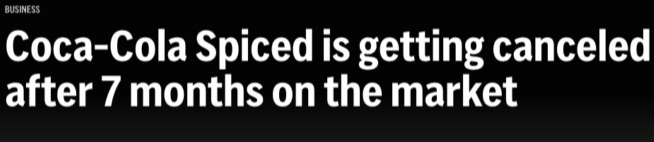
Introduction: Coca-Cola recently announced the discontinuation of its Spiced flavor soda after only 7 months on the market and plans to launch a new flavor in 2025. This carbonated beverage blending raspberry and spices was aimed at the Gen Z market but ultimately withdrew due to poor sales and consumer feedback. This article analyzes product positioning, market data, and expert opinions to reveal the survival challenges of niche-flavor sodas and interpret how giants test market reactions through rapid iteration.
The international beverage giant Coca-Cola recently announced it will gradually discontinue its Spiced (spice-flavored) cola, an innovative product launched with much fanfare in the European and American markets in February 2024, with a life cycle of only 7 months. The company statement mentioned that a new replacement flavor will be launched in 2025 but did not specify the reason for discontinuation, only emphasizing 'continuous adjustment of the product line according to consumer preferences'.
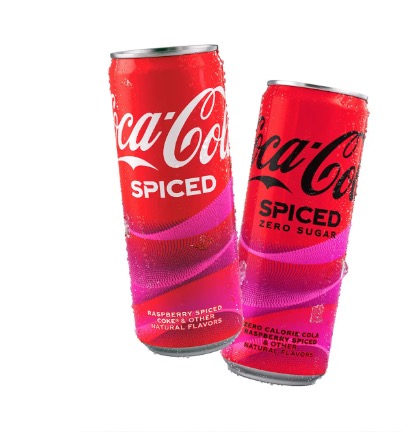
It is worth noting that Spiced was initially highly anticipated by Coca-Cola—when launched in February this year, it was officially positioned as a 'permanent product' and simultaneously launched a large-scale marketing campaign. The product features a triple flavor combination of 'traditional cola base + raspberry fruit flavor + complex spices', offering both regular sugary and zero-sugar versions, targeting young consumers seeking intense taste experiences. Although called "Spiced", the actual formula does not contain chili peppers; its so-called "spice flavor" is more of a rich complex seasoning sensation.
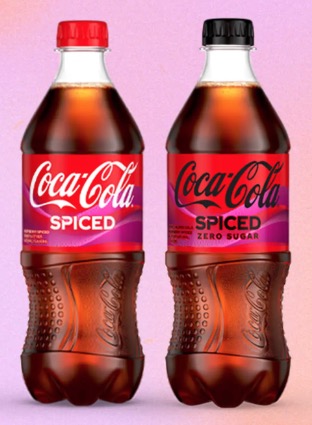
Market performance was surprising. Although Coca-Cola did not disclose specific sales data, industry analysis indicates that the product's sales in the North American market declined by 1% against the trend in the second quarter (while the group's overall net revenue grew by 2.9% in the same period). US retailer data shows the retail price of a 355ml can of Spiced is about 5.58 yuan per bottle (9.59 dollars per 24 cans), about 30% higher than regular cola. Social media reviews are polarized: US consumers generally complain that "the taste is weird and unacceptable", while some Canadian users find it "unique and worth trying", and many consumers commented that "it was discontinued before I even bought it".
Brand strategy experts analyze that Spiced's rapid demise reflects three major survival challenges for niche-flavor sodas: first, high consumer education costs—most people find it hard to understand the concept of "non-spicy spice-flavored cola"; second, although the target Gen Z group seeks novelty, they have extremely low tolerance for innovations that do not meet expectations; finally, the narrow audience leads to a lack of scale effect, making it difficult to support long-term marketing investment. Particularly noteworthy is that the product's development cycle was unusually short. According to insiders, it took only 7 weeks from project initiation to market launch, far below the industry average development cycle of 12-18 months, which may directly affect the perfection of formula tuning.
This discontinuation is not an isolated event. At the same time, Coca-Cola also announced the end of production for Cherry Vanilla and Splenda Diet Coke (sugar substitute version), which also face weak sales or strategic adjustments. Industry observations show that giants use a "limited-time flavor test" model to quickly verify market reactions: maintaining the freshness of the product matrix while screening potential formulas at low cost. For example, although Spiced is discontinued, the consumer feedback collected may influence the development direction of future spice-based beverages.
For ordinary consumers, such cases reveal the innovation logic of the carbonated beverage industry: behind seemingly random flavor experiments is actually a precise market data collection process. When encountering similar innovative products, it is recommended to pay attention to the flavor composition description in official statements (e.g., Spiced clearly indicates it contains raspberry and spices) and to reduce decision risk by trying small packages. On the corporate side, it is necessary to balance innovation speed and product maturity; the 7-week sprint to market model obviously has room for optimization.


