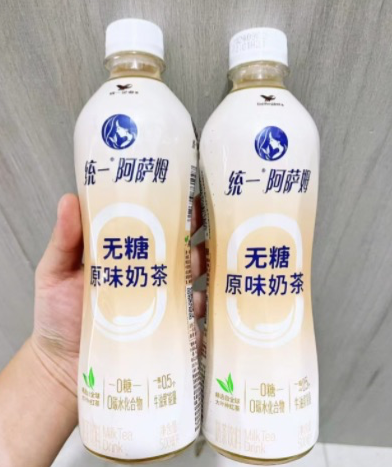
Uni-President Assam Milk Tea 0-Sugar Edition Launches: Less Sugar, Same Aroma
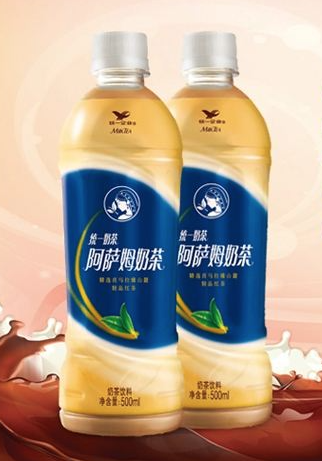
Introduction: Uni-President Assam, a classic brand in the bottled milk tea market, has recently launched a sugar-free original milk tea, marketed under a "true 0 sugar" concept, containing no sucrose, sugar substitutes or common sweeteners. This new product caters to healthy consumption trends while maintaining the classic flavor. This article analyzes the formula upgrade and nutritional changes of this 0-sugar milk tea, as well as the sugar-reduction trends in the current beverage market, to help consumers understand how to make healthier choices while enjoying milk tea.
When it comes to bottled milk tea, many consumers first think of Uni-President Assam. With its long-accumulated brand recognition, more stable production processes than freshly made tea drinks, and affordable pricing of under five yuan per bottle, Assam has always held an important position in the fiercely competitive domestic tea beverage market.
According to Uni-President China's 2022 financial report, its milk tea business achieved annual revenue of 6.005 billion yuan, up 4.5% year on year. The brand also stated that Assam milk tea has maintained market leadership for many consecutive years, with its annual revenue compound growth rate remaining in the double digits.
However, in recent years, freshly made new tea drinks have attracted a large number of young consumers with their rich flavors and social attributes, while ready-to-drink tea and sparkling water have also risen rapidly, diverting demand from traditional bottled milk tea. Facing market changes, Uni-President Assam chose to innovate, entering the sugar-free segment for the first time with a sugar-free original milk tea.
According to official introduction, this new product is positioned as "true 0 sugar", meaning the product contains no sucrose, no sugar substitutes, and no carbohydrates of any kind. In its promotional materials, Uni-President also specifically explained that "0 sugar substitutes" means no addition of common artificial sweeteners such as acesulfame potassium, sucralose, erythritol, and the more controversial aspartame.
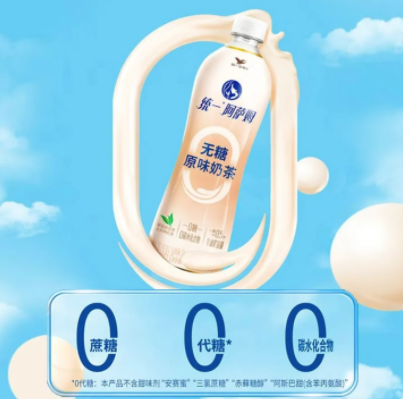
On e-commerce platforms, in the Tmall Uni-President official flagship store, the sugar-free original milk tea has the same volume as the classic version, both 500ml, and a similar retail price of about 3.6 yuan. In terms of price, there is little difference between the two, offering consumers a healthier option.
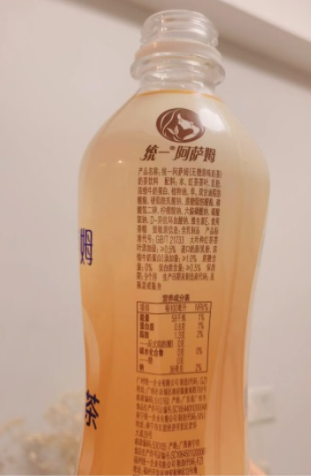
Checking the ingredient list of the sugar-free original milk tea reveals that its ingredients include water, black tea leaves, milk powder, concentrated milk protein, vegetable oil and diglycerol fatty acid esters, among others. Although it still contains some food additives, sugar components such as white granulated sugar and glucose syrup have been completely removed. For consumers seeking low sugar intake, this is undoubtedly a major improvement.
In terms of nutrition, this sugar-free milk tea contains only 58 kilojoules of energy per 100 milliliters, while the classic Assam milk tea contains as much as 230 kilojoules per 100 milliliters. This means choosing the sugar-free version can significantly reduce calorie intake per serving, making it suitable for consumers focused on weight management and sugar control.
In fact, Uni-President is not the only company pursuing a "sugar reduction" strategy. As early as 2021, PepsiCo publicly stated that it planned to reduce the sugar content of its carbonated drinks and tea beverages sold in the EU by 25% before 2025. Another international beverage giant, Coca-Cola, has also revealed that since 2017 it has continuously optimized the formulas of nearly 1,000 beverages, meeting consumer demand for healthier drinks by reducing added sugar and launching small packages and low-calorie and zero-calorie products.
Market research data also confirms the popularity of low-sugar and sugar-free beverages. According to Meituan delivery data, in the first half of this year, among beverage orders nationwide, the proportion of "no added sugar" rose 1.3% year on year, "30% sugar" choices increased 3.2%, while "full sugar" demand fell 2%. Consumers are paying more attention to sugar control when ordering and are more inclined to choose lower-burden drinks.
Some industry analysis points out that the main challenge in developing 0-sugar milk tea lies in balancing the taste. After removing sugar and sugar substitutes, how to keep the milk tea's original richness and layers is a test of a brand's R&D capabilities. Uni-President Assam's launch of the sugar-free version is precisely an attempt to achieve sugar reduction without sacrificing the classic flavor.