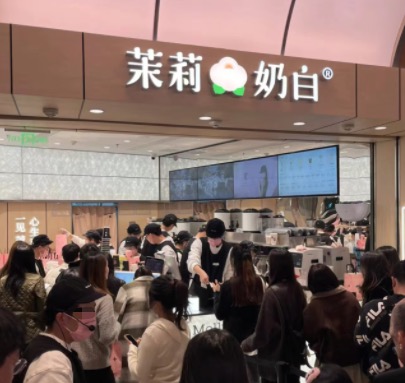
Jasmine Naibai, a new Chinese-style tea brand, completes nearly 100 million yuan financing led by Alibaba Local Life
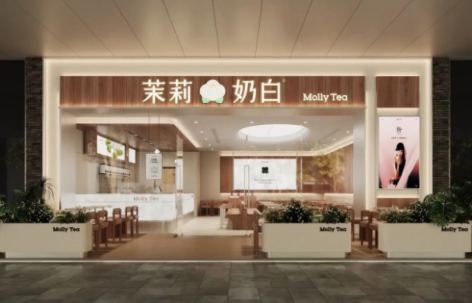
Lead:New Chinese-style tea brand Jasmine Naibai recently announced the completion of nearly 100 million yuan in financing, led by Alibaba Local Life. This round of financing will be used for product research and development, supply chain upgrades and brand building, accelerating the expansion of its lightweight store model. As a chain brand focused on jasmine-scented tea drinks, Jasmine Naibai has expanded rapidly through its differentiated positioning, with more than 785 stores nationwide and a foray into overseas markets.
The domestic new Chinese-style tea sector has once again attracted capital. The brand Jasmine Naibai, known for jasmine-scented fresh milk tea, has secured nearly 100 million yuan in financing, led by Alibaba's local life service platform, with professional investment firm Xiangyang Capital serving as exclusive financial advisor.
According to official sources, the funds will be focused on three major areas: strengthening the ability to develop seasonal new products, deepening the integration of Chinese tea and floral elements; improving the full-chain system from tea procurement to warehousing and distribution; and optimizing the operational support system for franchise partners. Notably, the brand will lower the investment threshold through a "lightweight" store model, with single-store area controlled at 35-40 square meters, reducing initial investment by about 40% compared with traditional stores of more than 60 square meters.
Founded in 2020, Jasmine Naibai opened its first store in Shenzhen in 2021 and launched its benchmark product — a signature drink of the same name made with a pre-Qingming Jasmine Longya tea base. Unlike the competitive landscape at the time, which was dominated by fruit tea, the brand was the first to focus on the jasmine category, selecting high-quality baked green tea scented with jasmine as the base and using a standardized extraction process to preserve the fresh, lively floral aroma.
Founder Zhang Bocheng revealed his original intention in an interview with an industry media outlet: "We observed a rising consumption trend for fresh milk tea, while jasmine tea, as the most widely used and highly recognized tea type, lacked a representative brand." Based on this, the team established the core strategy of "pursuing fragrance in the East" and successively developed floral series products such as gardenia, white orchid and osmanthus, forming a unique four-season floral product matrix.
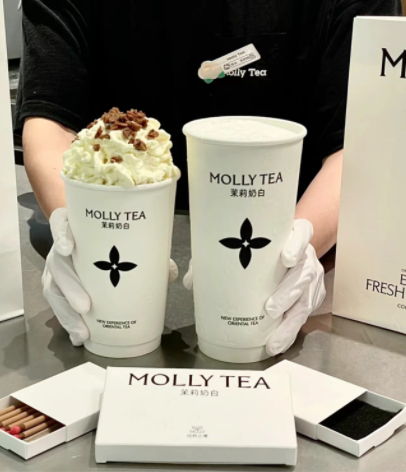
In terms of brand positioning, Jasmine Naibai proposes the aesthetic concept of "Eastern Modern," transforming traditional tea culture into a trendy drink accepted by young consumers through minimalist illustration-style visual design and a consumption scenario of "easily drinking good tea." Data shows its store revenue grew nearly 400% year on year, confirming market recognition of its differentiated approach.
Facing fierce competition in the tea beverage industry, the brand adopts a dual-track strategy: on the one hand, it is increasing its presence in key domestic cities, planning to reach a scale of 1,000 stores by the end of the year; on the other hand, it has launched a globalization attempt, having opened its first overseas stores in Manhattan, New York, and Bangkok, Thailand. The operations director said overseas stores have specially adjusted the tea concentration and sweetness ratio to better suit local consumer taste preferences.
Regarding this investment, a relevant person in charge at Alibaba Local Life emphasized: "We will continue to help regional brands achieve nationwide development through digital tools and traffic support." Industry analysts pointed out that the lightweight model combined with supply chain optimization will become a key path for small and medium-sized tea brands to break through.
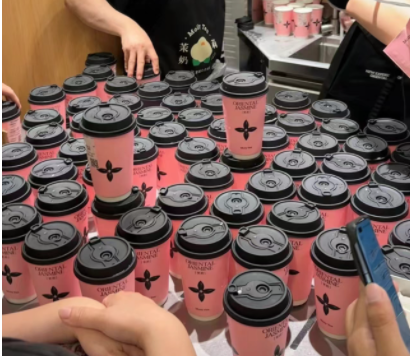
As of press time, Jasmine Naibai officially disclosed that its store network covers major commercial cities across the country, with stores in core commercial districts of first-tier cities selling more than 800 cups per day on average. In terms of product research and development, seasonal limited editions usually maintain an update frequency of 1-2 products per month, and each new product must go through three rounds of internal blind testing and two weeks of market trial sales. These operational details reflect the industry trend of new tea beverage brands shifting from wild growth to refined operations.