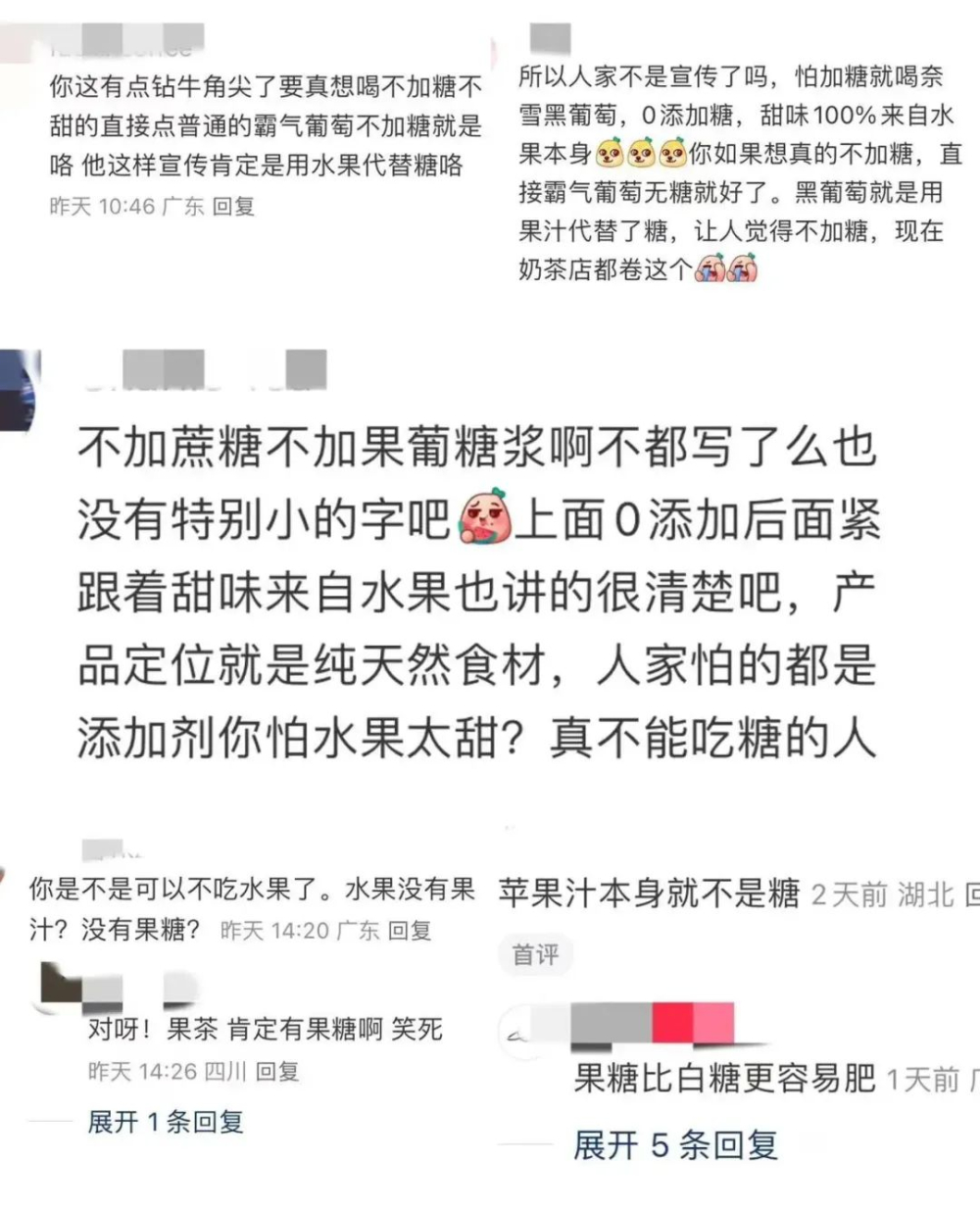
Nayuki's 0-Sugar Black Grape Too Sweet? Hidden Sugars in Fruit Tea
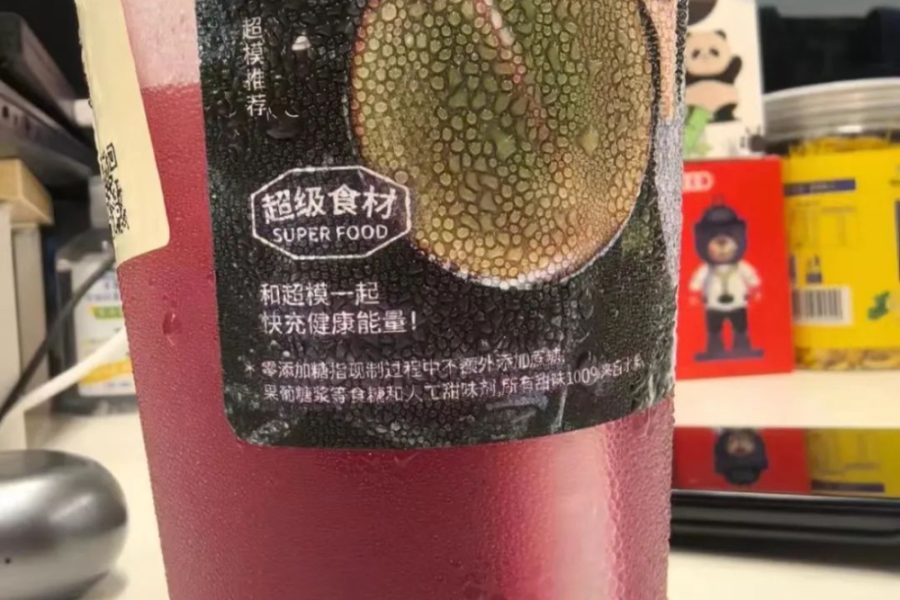
Introduction: Nayuki's new 'No Sugar Added · Nayuki Black Grape' claims zero added sucrose, yet its high sweetness has sparked consumer controversy. By analyzing the truth about juice as a sweetener, industry marketing language, and the challenge of balancing healthy drinks, this article helps you understand the science behind beverage sweetness and offers practical tips for choosing low-sugar tea drinks.
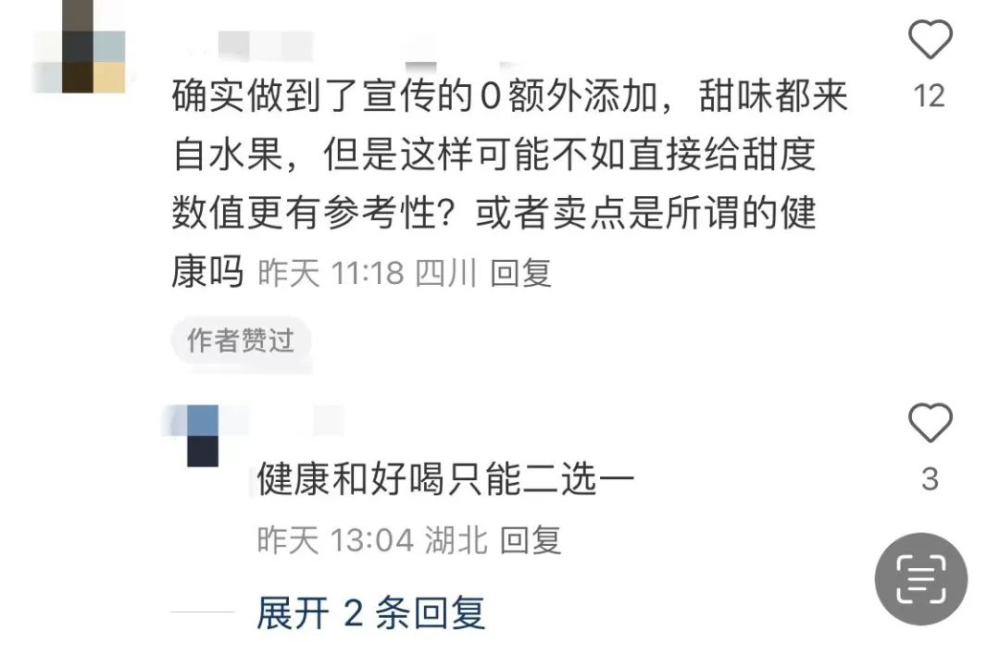
Nayuki's recently launched 'No Sugar Added · Nayuki Black Grape' has found itself in a public opinion storm. This drink, billed as a 'healthy fruit tea' with '0 added sugar,' attracted consumers with its '100% fruit sweetness' claim, but the actual experience left many netizens saying it was 'so sweet it made them question life.' Some customers reported its sweetness was close to that of a regular drink at 70% to full sugar, a stark contrast to the marketing.
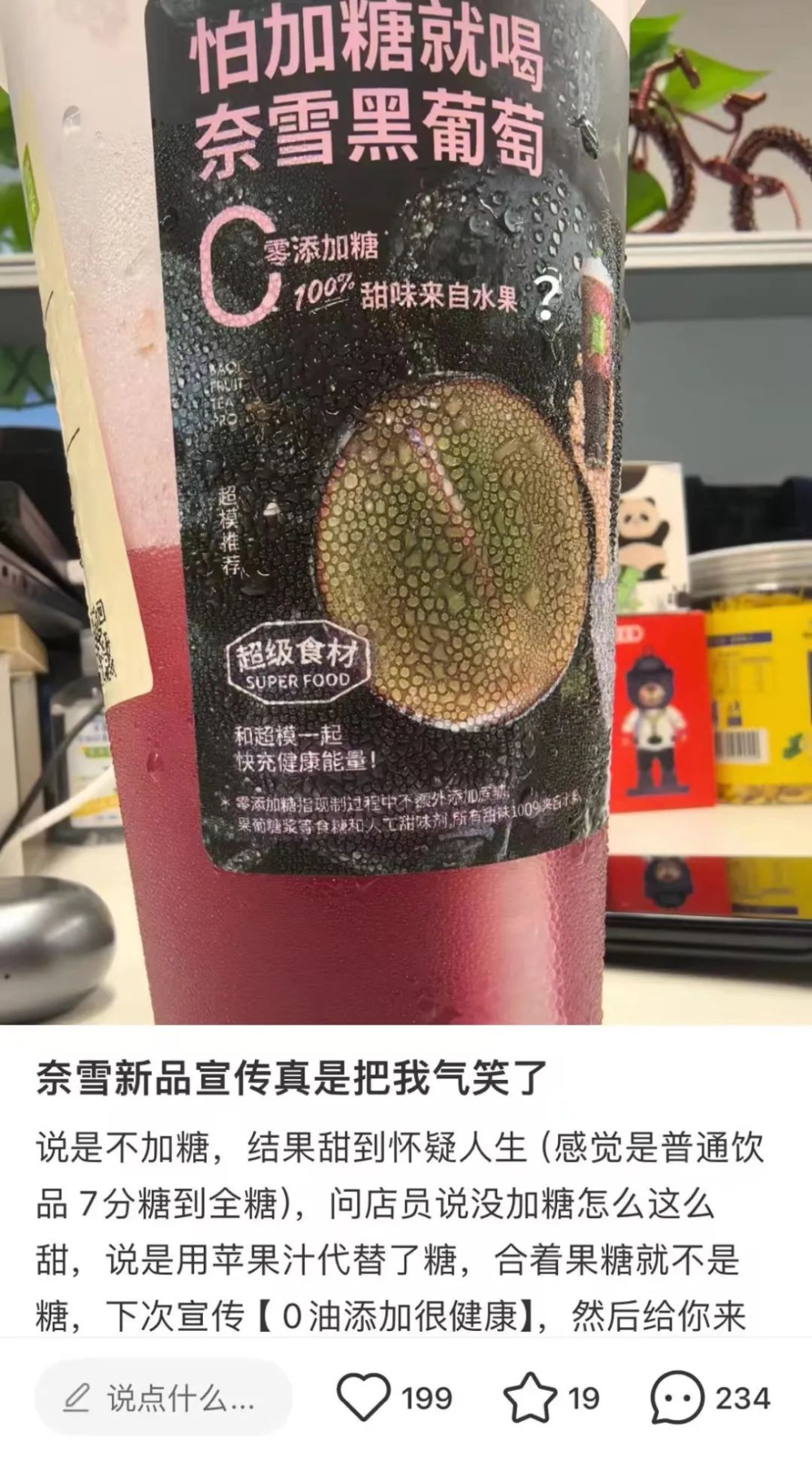
A deeper look at the product formula reveals that the so-called 'no added sugar' actually gets its sweetness from apple juice. Although apple juice is a natural ingredient, its fructose content should not be underestimated—concentrated apple juice can have a sugar content above 50, far exceeding the sweetness threshold of ordinary sucrose solutions. This 'juice instead of sugar' strategy allows the drink to avoid added sucrose while still maintaining a relatively high sugar content.

Nutrition experts point out that the public has widespread misconceptions about juice. The sugar content of commercially available pure juice is typically 10%–15%, and some concentrated juices are even higher. Many consumers mistakenly believe that 'natural juice = healthy and burden-free,' when in fact the sugar in a 250ml glass of juice is roughly equivalent to 6–8 sugar cubes, with a metabolic burden similar to that of sugary drinks.
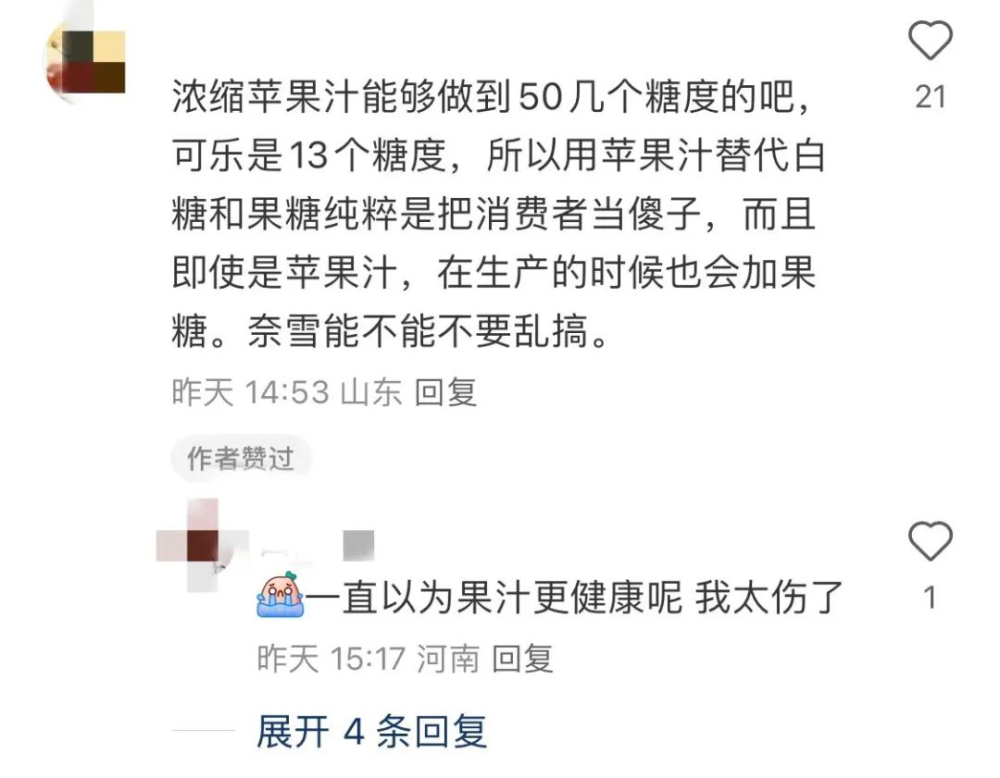
This incident reflects a common marketing tactic in the tea beverage industry: using ingredient substitution to achieve '0 added' claims while avoiding the actual composition of the final product. Similar cases include using sugar substitutes but labeling products 'sugar-free,' or adding juice to mask high sweetness. Consumers who focus only on marketing slogans and ignore nutrition labels can easily fall into health perception traps.

From a product development perspective, tea brands face a dilemma: market research shows 78% of consumers prefer sweet drinks, while the transition toward healthier products requires sacrificing taste acceptance. Nayuki's choice of a 'high sweetness + health concept' combination strategy reflects the difficulty of balancing commercial interests and health demands at this stage. Notably, directly labeling true sweetness values could cause sales to decline, so most brands tend to use vague marketing.

In response to consumer concerns, nutritionists suggest identifying a drink's sugar content in the following ways:
1. Check the ranking of juice/syrup in the ingredients list
2. Ask the vendor for the nutrition label (focus on carbohydrate content)
3. Prioritize products clearly labeled 'low sugar' (≤5g/100ml) or 'sugar-free' (≤0.5g/100ml)
4. Be wary of vague marketing terms such as 'pure juice' and 'natural sweetness'

Some consumers believe the controversy is overblown: it is normal for apple juice, as a natural ingredient, to contain sugar, and as long as no sucrose is added, the literal claim holds. This view points out that equating juice with added sugar is a cognitive bias, while also acknowledging that current marketing methods can easily mislead. The controversy essentially reflects public disagreement over the definition of 'healthy food.'
Professional organizations recommend that when choosing fruit tea drinks, consumers should:
- Control single-serving intake (no more than 350ml recommended)
- Avoid drinking after meals to reduce blood sugar fluctuations
- Pair with high-fiber foods to balance sugar absorption
- Special groups (such as people with diabetes) should consult a nutritionist
Remember, 'no added sugar' does not mean 'zero sugar'; only by viewing commercial marketing rationally can you make suitable choices.