Manner's first Wuhan bakery store to close in late October: why the low-price bread strategy couldn't last

Introduction: The last Manner coffee shop in the Wuhan Tiandi commercial area offering freshly baked goods is about to close. Opened in 2021 and known for its 8-yuan sea salt rolls, the store reflects the common challenges specialty coffee brands face in the bakery business. Through on-site visits and industry data analysis, this article explains the business logic behind Manner's contraction of its bakery line and discusses its strategic shift toward accelerating expansion in lower-tier markets.
Wuhan's last bakery Manner is about to take its final bow
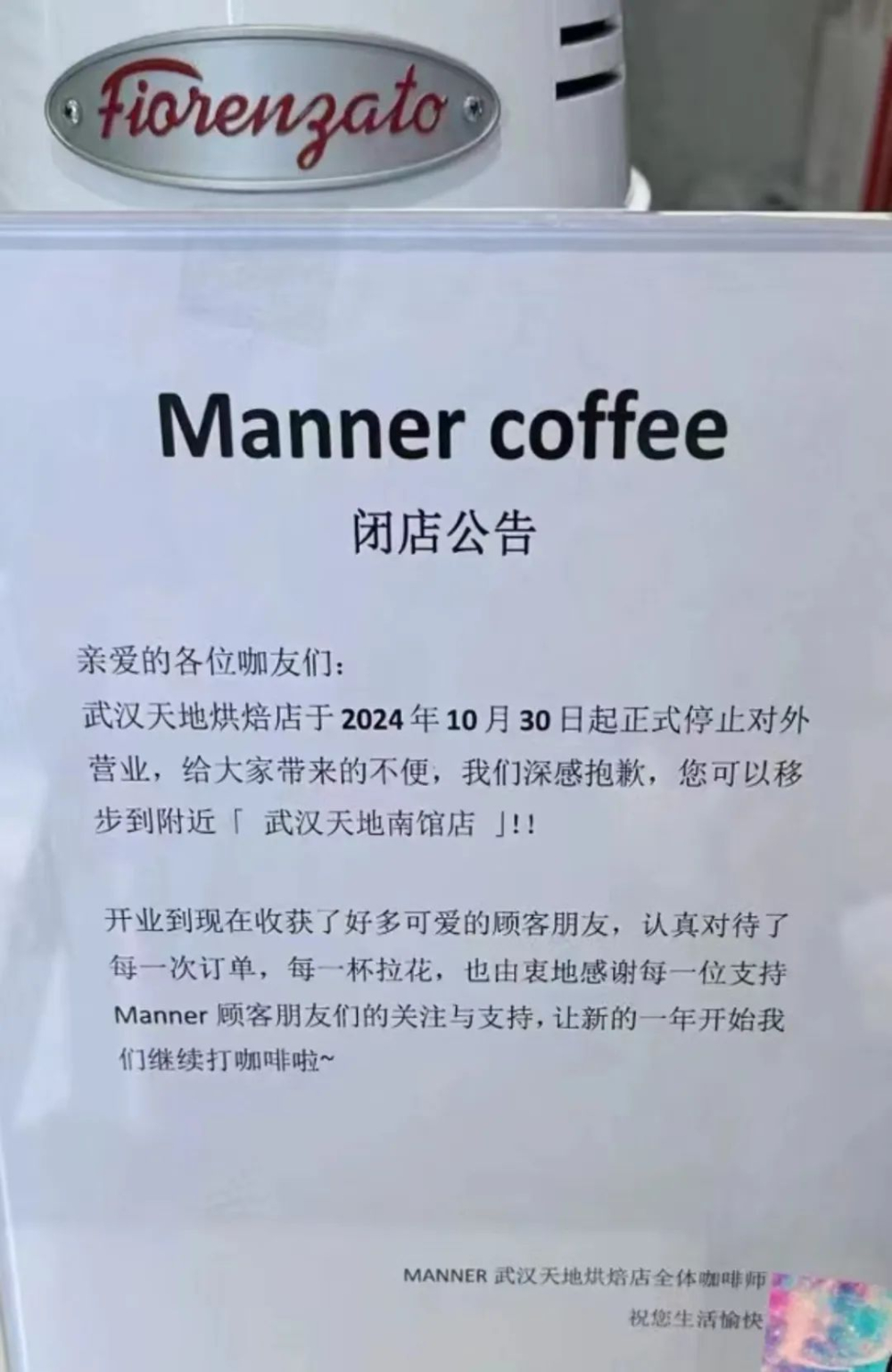
According to feedback from local consumers in Wuhan, the Manner bakery specialty store in Wuhan Tiandi will officially close on October 30. As one of the brand's first stores in the city, it had continuously offered freshly made baked goods since opening in late 2021, including sea salt rolls (8 yuan) and cheese bagels (8 yuan), and was one of the few coffee chain stores in Jiang'an District offering fresh baked goods.
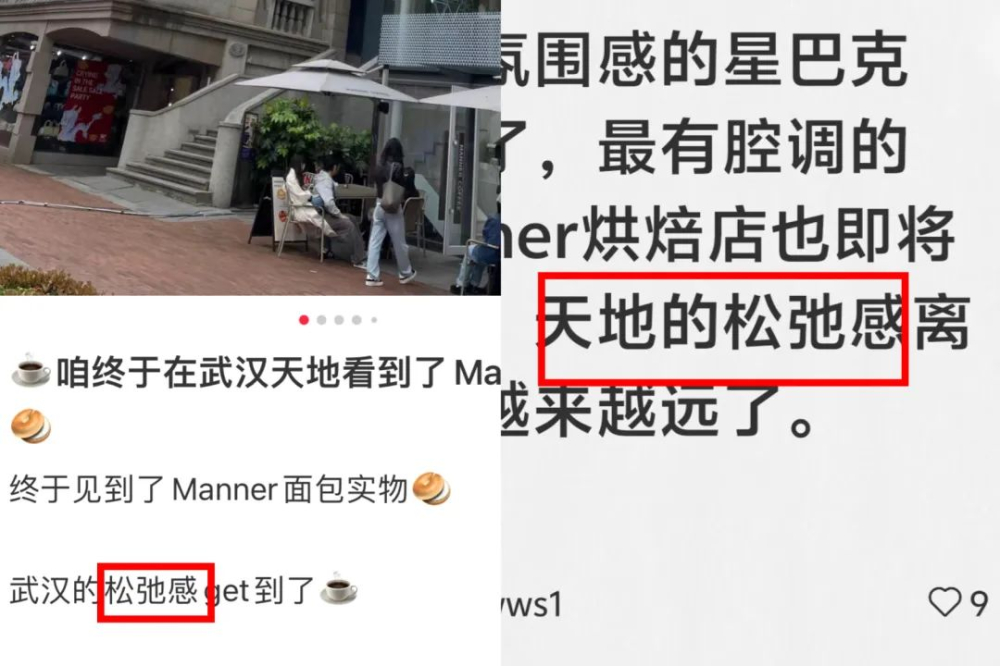
When expressing their regret on social media, consumers frequently mentioned the relaxed atmosphere the store created—unlike the compact layout of regular stores, this larger bakery store had a dine-in seating area and became a resting place for nearby office workers.

Low-price strategy can't offset operating costs
This closure is not an isolated incident. Since July 2024, Manner has been systematically scaling back its bakery business: the Shanghai mini-program shows that the number of stores with a bakery label has dropped sharply from 27 on July 3 to 9 at present. A person familiar with the matter said that although the 8-12 yuan price per item is popular with consumers, bakery ingredients account for 45%-50% of costs, and combined with investment in dedicated workshops and equipment, this business line has long been in a state of thin profit.
A typical example is the classic sea salt roll, made with French T55 hard wheat flour and requiring a fermentation process of more than 12 hours, yet its retail price remains at 8 yuan, far below the market average of 15-20 yuan at bakeries of the same quality.

Strategic focus shifts to lower-tier markets
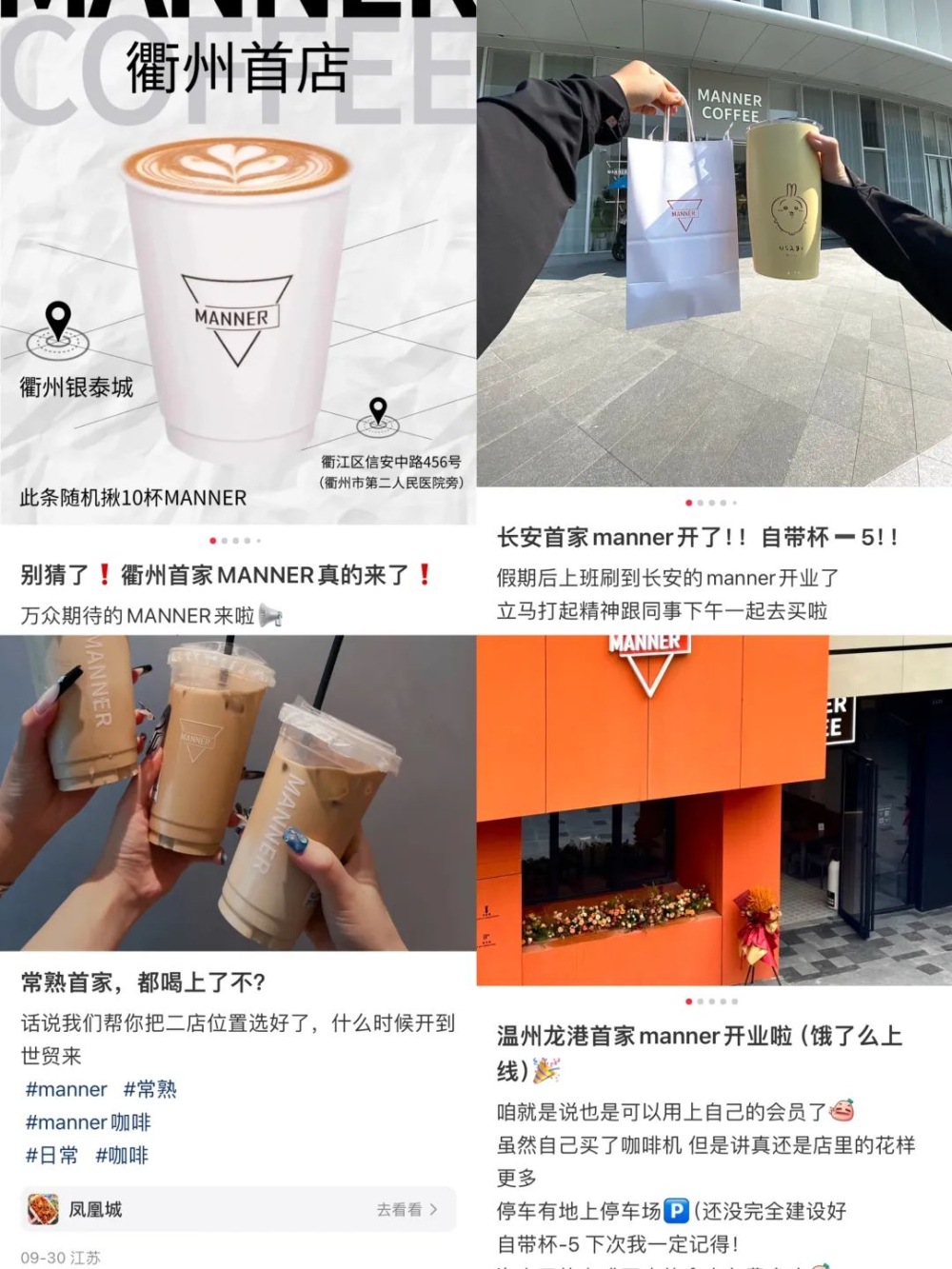
While scaling back its bakery business, Manner is accelerating its expansion into cities below the third tier. Of the stores newly added in the third quarter of 2024, more than 60% are located in non-first-tier cities, including emerging consumer markets in the Pearl River Delta such as Foshan and Zhuhai. These stores generally adopt a simplified "coffee + light meals" model, eliminating standalone bakery stations to reduce operational complexity.
Industry analysts point out that rent costs in lower-tier markets are 30%-40% lower than in first-tier cities, and competition density is relatively lower, which better fits the brand's current operating strategy of controlling per-store investment (about 500,000-800,000 yuan).
Labor shortages add to operating pressure
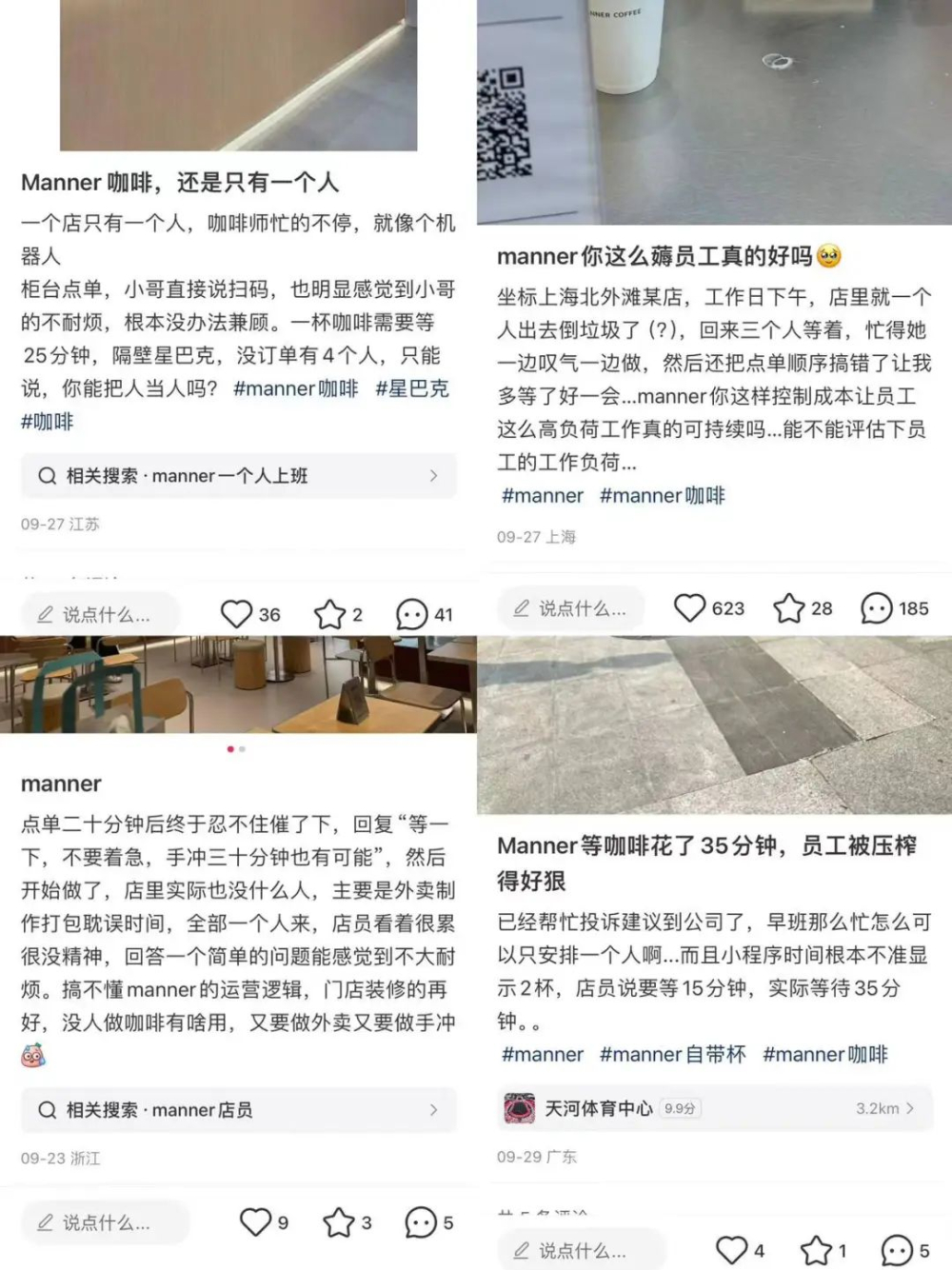
It is worth noting that Manner's proud semi-automatic espresso machine model is facing staffing challenges. A standard 20-30 square meter store usually has only 1-2 baristas, while making espresso involves 7 standard steps including grinding beans, extraction and steaming milk, limiting the store's capacity during peak hours. Several former employees confirmed that some stores have experienced "operations suspended when the barista leaves."
Human resources data shows that the average training period for baristas in the specialty coffee industry is 45 days, significantly longer than the 15-day crash courses of chain brands, and this difference in skill thresholds further exacerbates the staffing gap.
Rebalancing the business model
From a strategic perspective, Manner's divestment from its non-core bakery business can be seen as a proactive choice to focus resources. Retaining the core coffee product line maintains the brand's professional image while allowing the saved operating costs to be invested in store network expansion—the latest financial report shows that daily average cups per store must remain stable at more than 180 to break even, an indicator that usually requires a 6-8 month cultivation period in second-tier cities.
For consumers, although low-price baked goods are gradually fading out, the extraction parameters of core coffee products (such as the golden cup parameters of 18g dose/30ml brew ratio) will remain stable. It is recommended to check the target store's equipment configuration and service hours in advance through the official app.