New Coffee Safety Standard: Acrylamide Testing Methods Upgraded for Safer Coffee

Introduction: The National Health Commission's latest draft of the national food safety standard includes a new method for determining acrylamide in coffee and other foods. This adjustment not only responds to consumers' concerns about carcinogens in coffee but also provides the industry with a more precise testing basis. This article will explain the sources and risk levels of acrylamide, as well as how to scientifically manage it in daily consumption, helping you enjoy coffee flavors with peace of mind.
On October 10, the National Health Commission's official website announced 19 national food safety standard revision plans, among which the "National Food Safety Standard: Determination of Acrylamide in Foods" (draft for comments) particularly attracted attention. The most significant change in this revision is the first inclusion of coffee in the scope of acrylamide testing, filling a previous gap in national standards in this area.
At the end of 2023, a comparative test of freshly prepared coffee jointly conducted by the consumer councils of Fujian and Fuzhou showed that all 59 commercially available coffee samples contained trace amounts of acrylamide—a substance classified by the International Agency for Research on Cancer as a Group 2A carcinogen. Although there was no relevant limit standard in China at the time, the event sparked intense public discussion about coffee safety.
How is acrylamide produced? Experts explain that it is a natural byproduct of the Maillard reaction between reducing sugars and amino acids during high-temperature processing of food above 120°C.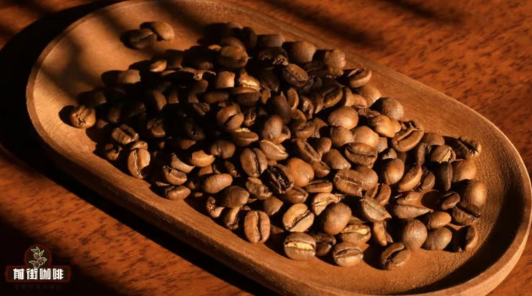 It is not only produced when coffee beans are roasted; high-temperature cooking of foods such as French fries and toast also inevitably produces it. It is worth noting that this very reaction gives coffee beans their rich profile of over 800 aromatic compounds.
According to existing research data, the daily tolerable intake for an adult weighing 60 kg is 185 micrograms of acrylamide. Assuming 300 ml of black coffee contains about 0.45 micrograms, one would need to drink more than 400 cups per day to reach the risk threshold. A brand manager of Blue Mountain Coffee also confirmed this view in a media interview.
The draft of the new national standard specifically optimizes testing methods for specialty foods such as coffee and tea, while also covering sensitive categories such as infant foods. The drafting notes state that this move aims to provide technical support for regulatory authorities and encourage companies to improve production processes to reduce the formation of harmful substances.
For ordinary consumers, there is no need for excessive anxiety, but attention can be paid to drinking habits: prioritize medium-roast coffee (acrylamide content is usually lower than in dark roast), limit daily intake to within 3-5 cups, and avoid drinking on an empty stomach. These measures can effectively balance the enjoyment of coffee flavor with health risks.


