The Secret Behind Milk Tea Shop Names: 37-Character Names and the Marketing Logic of Reduplication

Introduction: From 'Cheese Berry Berry Mango Mango Peach Peach Tea' to extreme 37-character combinations, milk tea shop names increasingly resemble wordplay. Behind these seemingly nonsensical names lies brands' strategy to precisely attract young consumers. This article breaks down three major trends in tea beverage naming, explaining why merchants favor complex reduplication and how to quickly find genuinely worthwhile drinks from lengthy menus.
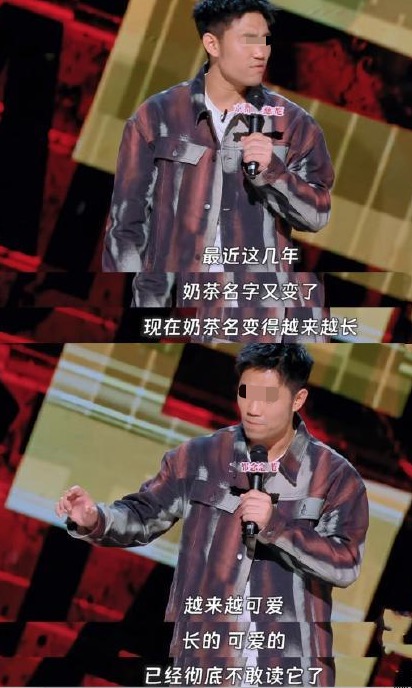
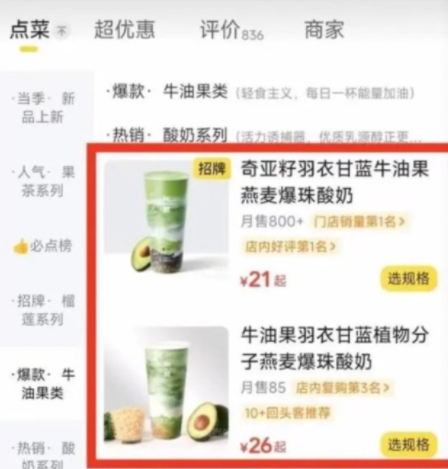
"This milk tea name is so long it makes me doubt my eyesight." Stand-up comedian Zhai Jianing joked about contemporary tea naming phenomena on a show, unexpectedly striking a wide chord. Walking into a milk tea shop today, the menu options often plunge people into choice difficulty—a 17-character avocado oat bursting-boba yogurt already counts as routine, there are even 22-character maca ginseng nourishing special blends, and a 37-character ultimate version containing 7 medicinal ingredients has appeared, with the ingredient list almost fully replicated in the product name.
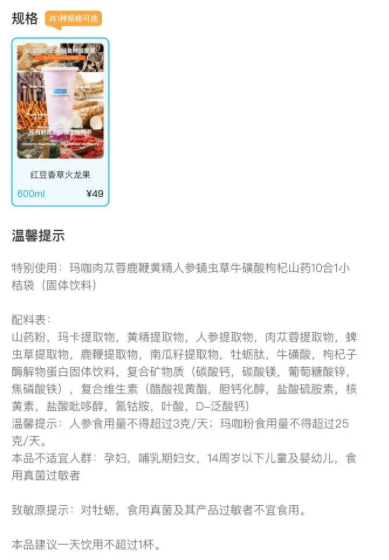
Such ultra-long names often contain multiple layers of information: functional ingredients (such as cistanche, taurine), taste descriptions (bobo crunchy crunchy), target groups (PlanA standard version). Take a Blueglass product as an example: its 37-character full name not only lists ingredients like deer whip and ginseng but also notes red bean dragon fruit flavor, practically a mobile nutrition facts label. But the actual consumer experience is often counterproductive—after ordering, they forget it by the time they turn around, and may even need to recheck the order details.
Beyond extreme long names, dense reduplication strategies are equally common. 'Bobo crunchy crunchy sweet sweet mango mango berry berry' creates sweet associations through repeated syllables, while abstract combinations like 'Lonely lonely dudu'—though hard to identify the category—precisely hit some young groups' aesthetic preferences. Notably, such naming often comes with emoji symbols and mixed English, further increasing visual memory points.
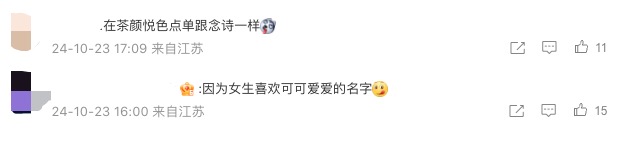
Brand marketing experts point out that such naming is essentially a differentiation tactic under the attention economy. Gen Z consumers have higher acceptance of novelty names; research shows beverages with unconventional wording have a trial rate 23% higher than ordinary names. But experts also warn that over-reliance on wordplay may cause product strength to be overlooked—when a name contains more than 5 non-ingredient words, consumers' expectation deviation for actual flavor may reach 40%.
For ordinary consumers, a three-step screening method is recommended: first, check whether the name contains an identifiable base tea (such as jasmine green tea, ice bock milk); second, note the flavor hints in parentheses (such as taro paste boba flavor/lychee rose flavor); finally, prioritize standard naming structures of 8-12 characters, as such products usually have more stable formulas. If encountering an ultra-long name, simply ask the staff about core ingredients and sweetness options.


