Fly Found in Luckin Coffee Drink: Food Safety Concerns and Consumer Rights
Introduction: Recently, a social media user reported finding a fly in a drink purchased from Luckin Coffee, sparking widespread discussion about food safety. The incident not only exposed hygiene hazards in the drink preparation process but also highlighted problems with the brand's after-sales attitude. This article retraces the incident, analyzes the responsibilities and responses of the parties involved, and provides consumers with a practical rights-protection guide to help them effectively safeguard their interests when encountering similar problems.
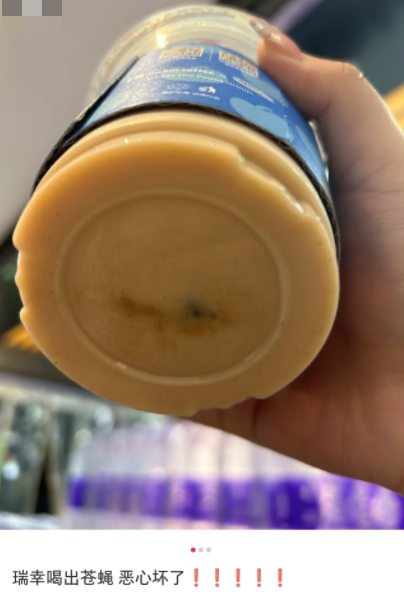
Recently, a social media user in Xinyang, Henan, shared an unpleasant experience: they bought a drink at a Luckin Coffee store near a school and discovered a fly in the sediment at the bottom of the cup while drinking. Photos provided by the user showed that the order was placed after 3 p.m., and the problem was only discovered when drinking after 4 p.m.; the fly was stuck to the bottom of the bottle, making one sick to look at.
After discovering the problem, the consumer immediately contacted the store, hoping for a reasonable explanation and resolution. However, when they went to the store for a face-to-face discussion as requested by the staff, the merchant only offered a free order and a complimentary drink. The consumer felt that this handling lacked sincerity, and that a ten-yuan discount could not make up for the psychological discomfort; the negotiation ended in disagreement.
According to the Food Safety Law of the People's Republic of China, consumers who suffer harm from food that does not meet food safety standards have the right to demand compensation, and operators shall implement a first-responsibility system and pay compensation first. The consumer believed they had the right to demand a higher amount of compensation rather than a simple coupon.
More surprisingly, Luckin's after-sales service later called the consumer twice more. The first time, it offered three coupons, which was rejected; the second time, it increased the offer to five coupons, but the consumer was still not satisfied. What angered the consumer even more was that the after-sales staff implied on the phone that the consumer might have put the fly into the drink themselves. The consumer stated that they were attending a training class at the time, and surveillance footage throughout could prove their innocence.
The incident sparked heated discussion online. Many netizens expressed sympathy for the consumer's experience, and some shared their own experiences of finding insects and other foreign objects in Luckin drinks, advising consumers not to accept coupons of no real value but to insist on reasonable compensation demands.
According to Article 55 of the Law of the People's Republic of China on the Protection of Consumer Rights and Interests, if an operator commits fraud, the consumer may demand additional compensation equal to three times the price of the goods, and the minimum compensation amount shall not be less than five hundred yuan. In this incident, Luckin's final resolution was: the employee at the store involved who made the drink was fired, and the consumer was paid five hundred yuan in compensation.
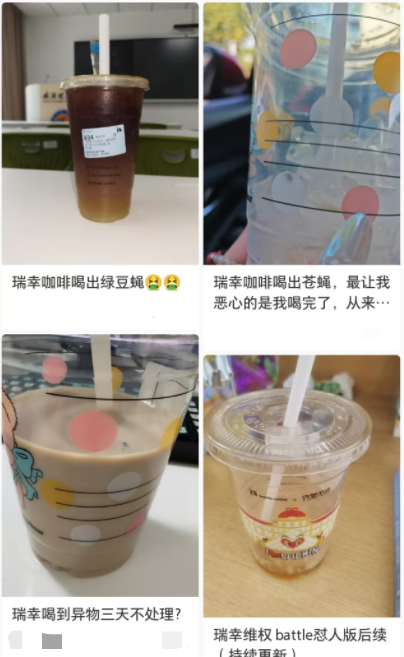
In fact, this is not the first time Luckin has been caught up in food safety controversies. Previously, a consumer in Henan found an employee badge in a cold drink, and at a campus store in Yunnan, a customer found more than a dozen ants in an opened drink. These incidents show that even well-known chain brands may have lapses in food safety management.
Although the environment of beverage shops is complex, and sweet ingredients and drinks easily attract insects, consumers are more concerned about the brand's attitude in handling problems after they occur. In the highly competitive tea drink market, only brands that truly value consumer rights and actively solve problems can win long-term trust.