How to Choose a Roast Level for Pour-Over: A Beginner's Flavor Guide and Roast Comparison
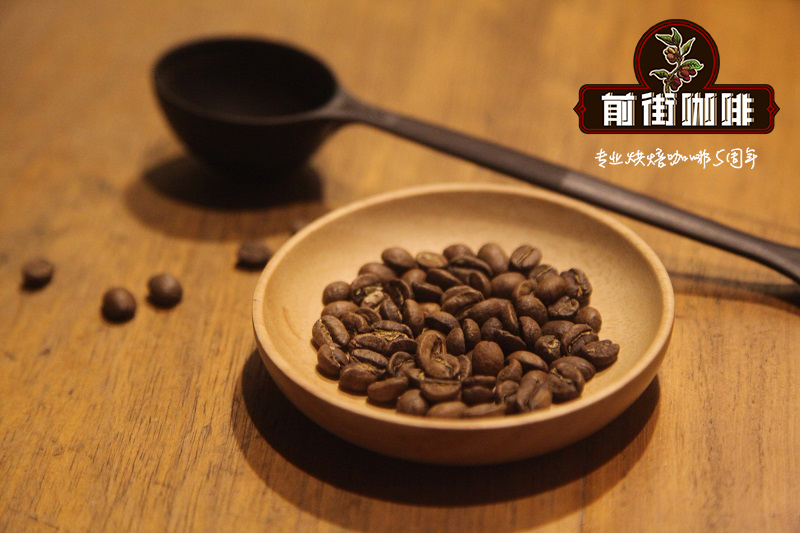
Introduction: A coffee's flavor is shaped by green bean quality, roast degree, and extraction method together, with roast degree determining about 30% of the flavor expression. Using a natural-process bean from the Bensa area of Sidamo, Ethiopia, this article compares light, medium, and deep roasts through cupping to analyze the sweet-sour-bitter balance at each roast stage, and includes practical flannel pour-over advice to help beginners find the roast level that suits their taste.
In a cup of coffee's flavor makeup, the green bean's own quality contributes about 60% of the foundation, the roasting process 30%, and the extraction method only 10%. Yet it is precisely this 30% roasting variable that lets beans from the same region express entirely different characters, from bright fruity acidity to rich caramel. Here we selected high-quality natural-process beans from the Bensa area of Sidamo, Ethiopia, and conducted systematic cupping of light, medium, and deep roasts with controlled variables, to let you directly feel how roast degree shapes flavor.
In the professional cupping session, we focused on three core indicators: the dynamic changes in bitterness, sweetness, and acidity. The light roast stage (from dense first crack to just before the end of first crack) showed clear floral and fruity notes, with bright acidity but little sweetness to support it, and almost no noticeable bitterness; the medium roast (developing 1-2 minutes after the end of first crack) reached the flavor balance point, where caramelization began releasing honey-like sweetness and the harmony between acidity and bitterness was at its best; the deep roast (after the start of second crack) shifted entirely to a nutty-chocolate base, with sweetness retained but acidity gone, and bitterness becoming prominent yet layered. In practice, these characteristics fluctuate slightly depending on the bean variety.
To verify the synergy between roast degree and extraction method, the session concluded with a slow-extraction demonstration using a flannel filter cloth. This often-overlooked step (though it accounts for only 10% of flavor) unexpectedly became a flavor amplifier—compared with the pour-over results during cupping, the flannel's characteristic even heat retention made the light roast's citrus notes more vivid, the medium roast's caramel sweetness linger and extend, and the deep roast's richness further intensified. Many participants only truly confirmed their personal preference at this stage, showing that extraction parameters may have a greater practical effect on final flavor than commonly assumed.
Two common misconceptions need clarifying: first, a high-quality deep roast is by no means a way to mask inferior beans. If the green beans themselves lack substance (such as poor development or improper storage), excessive roasting will only produce a smoky taste rather than an appealing charcoal aroma; second, "original flavor" expression is not limited to light roasts—medium-deep roasts of high-altitude natural-process beans can likewise show distinctive fermentation layers. Beginners are advised to start with a medium roast (development time of about 1 minute 30 seconds to 2 minutes); these beans usually have a clear sweet base and moderate acidity, and are more forgiving of grind size and water temperature.
Summary of selection advice: for those who prefer bright acidity and floral notes, choose a light roast (roast numbers 1-3), with 88-92°C water and a coarse-sugar grind; for a balanced cup, try a medium roast (roast numbers 4-5), keeping extraction time under 2.5 minutes; for a rich, full-bodied flavor, explore a deep roast (roast numbers 6-8), but extend the resting period to more than 14 days. Remember, there is no absolutely perfect roast level, only the choice that best suits your current taste preference—tasting and comparing for yourself is the best way to discover your personal favorite.


