Starbucks drops plant-based milk surcharge; Chinese consumers already enjoy this benefit
Introduction: Starbucks has announced that, starting November 7, it will eliminate the extra charge for plant-based milks such as soy and oat milk at its stores in the United States and Canada, a move expected to save consumers more than 10% of the cost per cup. The adjustment is one of the key changes pushed by Starbucks' new CEO since taking office, reflecting both health consumption trends and competitive market strategy. Notably, stores in China have long operated a zero-surcharge policy for plant-based milk. This article explains the background of the global adjustment, lactose intolerance data and purchasing advice.
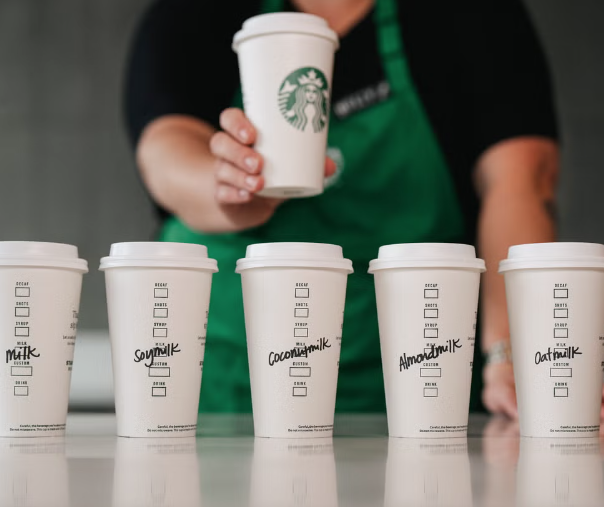
Starbucks drops plant-based milk surcharge in North America: Starting November 7, consumers in the United States and Canada will no longer pay an extra fee of up to 80 cents per cup when ordering coffee drinks with soy, oat, almond or coconut milk. The change covers major categories including hot coffee, iced coffee, cold brew and Americano, and customers can add up to 4 ounces of non-dairy milk free of charge. Previously, any alternative to the standard milk recipe was charged separately.
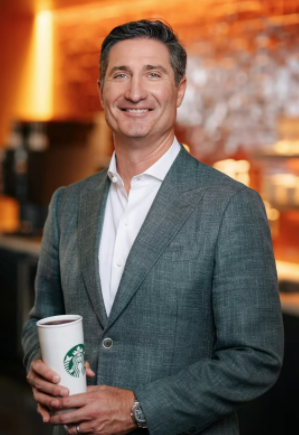
New CEO Brian Niccol has pushed multiple reforms since taking office in September, and this adjustment is seen as a key step in improving the customer experience. He said: "By removing the non-dairy surcharge, customers can more freely choose the drink combination they prefer." The policy has already been extended to overseas markets including the UK, Germany and France, and this North American expansion further strengthens the brand's response to diverse needs.
Data shows that about 65% of adults worldwide have some degree of lactose intolerance, with the proportion among Asian populations as high as 60%-100%, far higher than the under-30% rate among white Europeans. Such consumers often choose plant-based alternatives such as soy and oat milk, but previously in some markets had to pay an extra cost for each cup substitution. In the US, for example, if plant-based milk is chosen for classic milk coffees such as lattes, the surcharge can reach 10%-15% of the per-cup price.
Starbucks has offered a soy milk option since 1997, and has since introduced coconut milk (2015), almond milk (2016) and oat milk (2021). The latest consumer research shows that demand for non-dairy milk alternatives ranks second, behind only adding an extra espresso shot. Faced with long-accumulated customer feedback, the brand finally decided to eliminate the charge.
The policy adjustment is also seen as a market strategy to cope with performance pressure. The fourth-quarter financial report for fiscal 2024 showed that Starbucks' global same-store sales fell 7% year on year, more than twice the decline analysts expected, marking the largest quarterly drop in four years. By optimizing the fee structure for additional services, the brand seeks to boost traffic and improve consumer satisfaction.
It is worth noting that Starbucks stores in China have long offered plant-based milk with no surcharge. The main alternatives currently offered include soy milk, oat milk and almond milk, which customers can freely choose when ordering without paying extra. This contrasts sharply with the previous charging model in the North American market and also reflects the brand's differing market strategies across regions.
People with lactose intolerance should note the following when choosing plant-based milk: soy milk has a richer taste and suits dark-roast coffee; oat milk has a thick texture and better recreates dense foam; coconut milk has a distinctive flavor, and cold drinks are recommended for a first try. Professional advice suggests first-time tasters start with a small cup and gradually find their preferred combination.


