BYD Enters Coffee Market: What Do New Trademarks Signal?
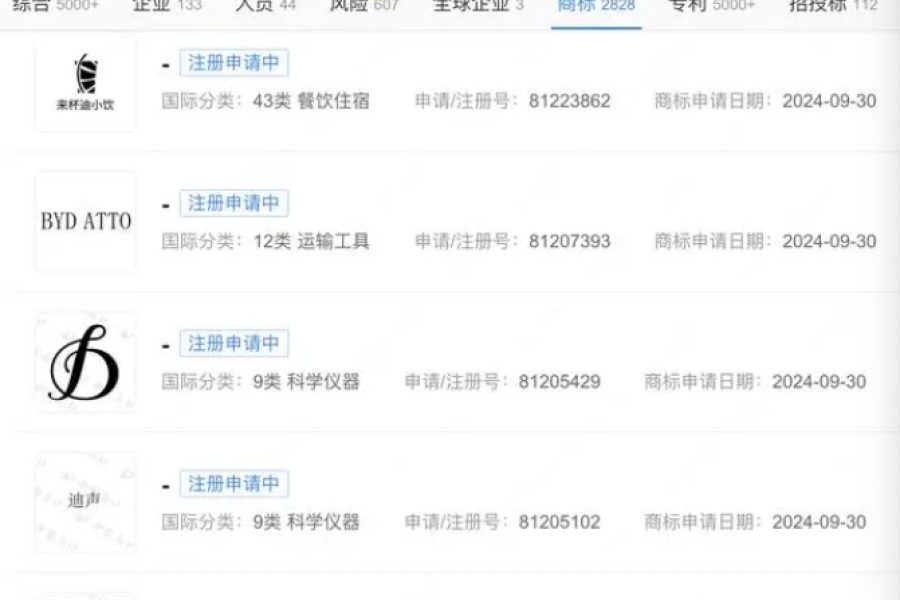
Lead: New energy vehicle giant BYD has recently been active in trademark filings, successively applying for two food-service trademarks, "Wudi Xiaoyin" and "Laibei Di Xiaoyin," triggering in-depth industry discussion about automakers crossing into the coffee sector. This article analyzes the business considerations behind BYD's strategic move, from trademark registration details to overseas precedents and domestic market layout logic, while offering readers interested in the integration of new energy and consumer sectors a first-hand observational perspective.
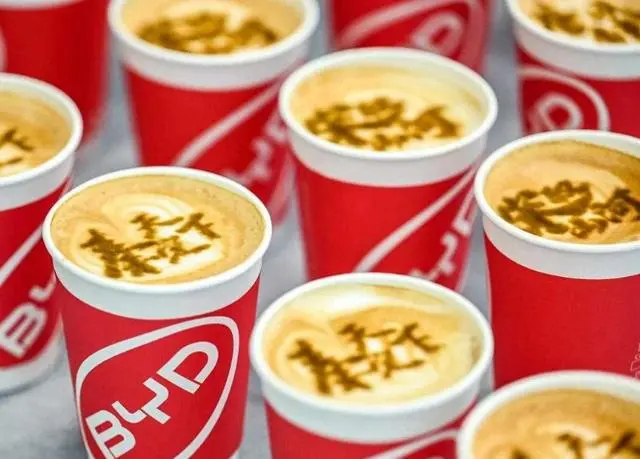
As competition in the domestic consumer market heats up, the coffee sector is becoming a new testing ground for automakers' cross-industry ventures. BYD, which has ranked as the global new energy vehicle sales champion for consecutive years, recently formally submitted trademark registration applications for "Wudi Xiaoyin" and "Laibei Di Xiaoyin" to the National Intellectual Property Administration. The international classification clearly falls under food and beverage and accommodation services, and the applications are currently at the critical stage of awaiting substantive examination.
The cleverness is evident in the trademark names—"Wudi" and "Laibei Di" both ingeniously embed the brand's core symbol "Di," maintaining brand recognizability while using colloquial expressions to close the distance with consumers. These two trademark projects, not yet launched, already reveal the possibility of BYD exploring synergies between dining scenarios and its core automotive business.
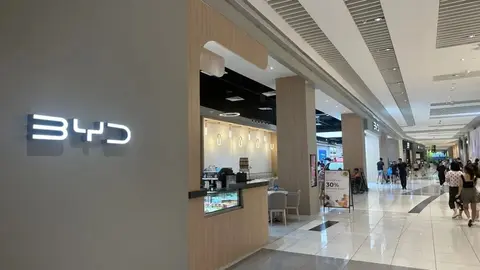
This is not BYD's first foray into the food and beverage coffee sector. The 2023 timeline shows a clear pace in its overseas layout: in June, it launched two BYD by 1826 themed restaurants in Singapore's core commercial district; in August, it further upgraded the format, creating a composite space integrating brand display and light dining services in Singapore's bustling Suntec City, while simultaneously opening three independent brand restaurants. The operational details of these stores are worth noting—the spatial planning adopts a 40-60 ratio, with 40% of the area retaining traditional dining functions and the remaining space converted into a mini car showroom, achieving a dual function overlay of "culinary experience + product display."
The scene integration strategy is even more targeted: the menu design incorporates Easter eggs naming BYD's full range of vehicle models, and the latest car models and customized merchandise are displayed around the dining tables. Through user profile analysis, the operations team found that "male customers are more concerned with vehicle performance parameters, while female customers prefer environmental experience and food quality," and therefore adopted differentiated service plans—customizing exclusive routes for different customer groups, with sales consultants naturally introducing test-drive invitations during meal service, and restaurant staff all trained in basic product knowledge.
Looking back at the domestic trademark layout from the Singapore practice, BYD is clearly planning a more systematic cross-industry strategy. It is worth noting that current domestic new energy vehicle brand service scenarios are generally concentrated in delivery centers and after-sales outlets, and the introduction of food and coffee elements may reshape the user experience process—in the future, consumers waiting for maintenance and repairs at stores may receive value-added services such as freshly ground coffee. This "scene extension" model can alleviate waiting anxiety while creating additional brand touchpoints.
Market observers point out that BYD's trademark registration this time has multiple strategic intentions: in the short term, it can maintain brand heat through topic effects; in the medium and long term, it may cultivate new profit growth poles. Compared with directly investing in an independent coffee brand, embedding light dining services into the existing channel network has lower trial-and-error costs and can form traffic mutual guidance with the core automotive business. Especially for stores in third- and fourth-tier cities, adding dining services can effectively extend customer stay time and improve per-store efficiency.
Public business registration information shows that as a benchmark enterprise in China's new energy vehicle industry, BYD Company Limited was established in February 1995 with a registered capital of approximately 2.911 billion yuan. Its shareholding structure includes HKSCC NOMINEES LIMITED, founder Wang Chuanfu, and several strategic investors. Current Chairman Wang Chuanfu also serves as legal representative, executive director, and president, leading the strategic direction of this enterprise with a market value exceeding 100 billion yuan.
Although the trademark application did not disclose specific launch plans, combining mature overseas cases with domestic channel advantages, BYD is likely to pilot "car + coffee" composite spaces first in flagship showrooms or large delivery centers. For consumers, future visits to see cars may come with special themed beverages co-branded with vehicle models; for the industry, this cross-industry attempt may redefine the service ecosystem boundaries of new energy vehicles.