ZARA to bring coffee service to Nanjing Xinjiekou flagship, its largest Asia-Pacific store, opening next year
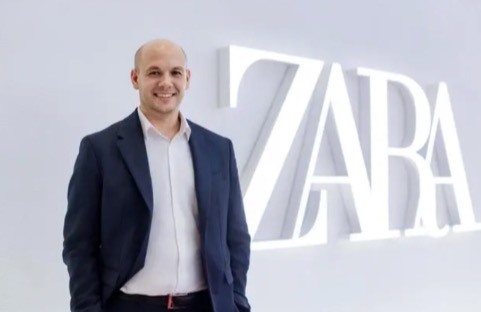
Lead: ZARA is about to open its largest flagship store in the Asia-Pacific region in Nanjing Xinjiekou, with an area of over 2,500 square meters, planned to officially open next year. Notably, this will be the brand's first attempt in the Asia-Pacific region to integrate coffee service into the store experience. Beyond shopping, consumers can also enjoy a cup of coffee in a fashionable atmosphere, experiencing a new shopping model. This article will take an in-depth look at the logic behind ZARA's coffee service initiative, and why luxury brands are increasingly crossing into the coffee sector.
At the recently held 7th China International Import Expo, Eugenio Bregolat Lukashov, President of Inditex Group Greater China, revealed that ZARA plans to open its flagship store in the Asia-Pacific region in Nanjing Xinjiekou next year. The store will cover an area of more than 2,500 square meters, making it one of the brand's leading physical stores in the region.
Although this store is not ZARA's largest single store in the Chinese market, it will introduce coffee service for the first time, offering shoppers a new experience that blends shopping and leisure. Through this move, ZARA hopes to get closer to its target customers, enhance the overall consumer experience, and thereby drive sales conversion of its apparel products.
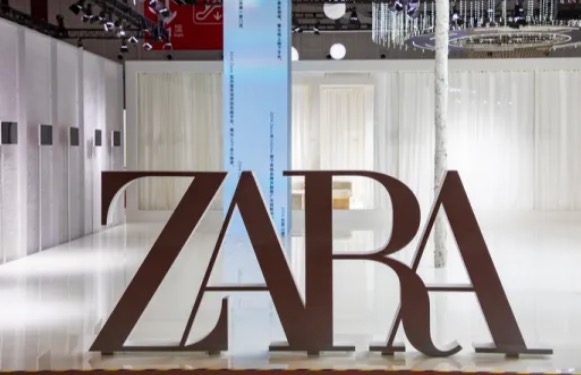
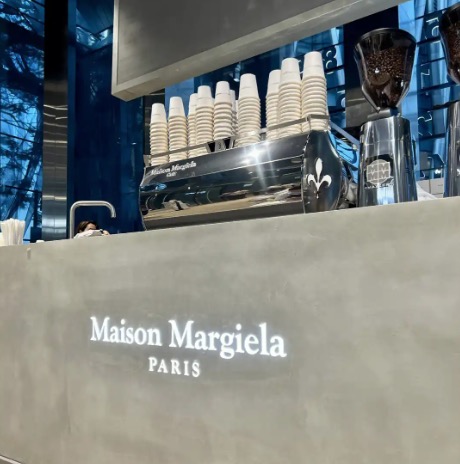
ZARA is not the first fashion brand to incorporate coffee elements into its flagship stores. In recent years, international luxury brands such as Tiffany & Co., Maison Margiela, Gucci and Louis Vuitton have also successively experimented with "coffee" as a new retail format in their stores, using it as an important means of spreading brand culture and upgrading customer experience. For a time, fashion brands "crossing into selling coffee" became a new industry trend.
For example, Tiffany & Co. previously opened a signature "Tiffany Blue" coffee shop at SKP in Beijing; in June 2023, Maison Margiela also opened its first branded coffee space in mainland China, Maison Margiela Café, in Beijing.
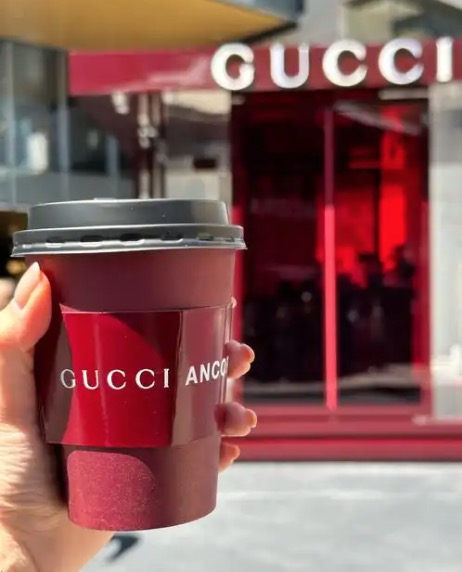
Entering 2024, this trend continues. In March this year, Gucci launched limited-time brand pop-up spaces in four cities—Beijing, Shanghai, Chengdu and Shenzhen—and collaborated with well-known specialty coffee brands such as Grid Coffee, Blue Bottle and %Arabica to launch co-branded limited-edition coffees, while also showcasing its Spring/Summer 2024 collection. By July, Louis Vuitton had also set up in several popular Beijing landmarks, including the 798 Art District, Liangma River, China World Trade Center and Gulou, a "Beijing Style" limited-time space, partnering with %Arabica to offer special coffee, further closing the distance with local consumers.
So why are these high-end luxury brands all starting to venture into the coffee sector? According to industry insiders, most of these brands embed coffee service in their main stores or pop-up spaces, with the aim of subtly conveying brand philosophy and creating a brand atmosphere while consumers taste coffee, thereby enhancing consumers' sense of brand identity.
Unlike traditional chain coffee brands, the coffee spaces opened by these luxury brands often place greater emphasis on "cultural experience." From store decor style to tableware details to the presentation of drinks and desserts, all reflect a highly unified brand aesthetic. Many coffee cups and saucers are printed with brand logos, and the drinks and desserts also pursue "good looks" visually, becoming popular check-in elements on social platforms.
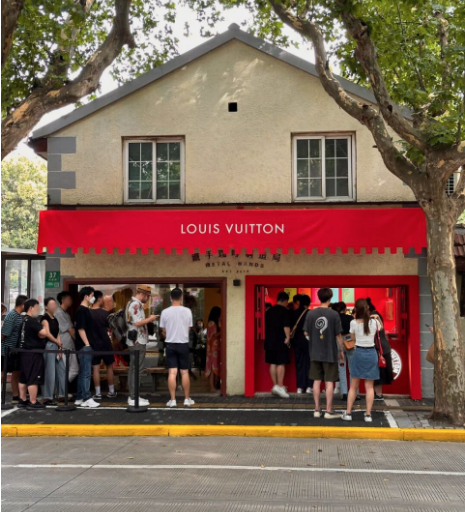
However, public reaction to luxury brands "selling coffee" shows a fairly clear polarization. Some consumers believe that being able to enjoy a moderately priced coffee (usually starting at around 40 RMB) in a design-rich brand space while experiencing brand culture is a comprehensive experience worth the money; while another group of consumers remains reserved, believing that although the store environment is luxurious, the flavor and quality of the coffee itself do not reach the standard of professional coffee, and that it would be better to pay directly for a high-quality coffee experience.
Overall, ZARA's innovative attempt at its Nanjing flagship store this time not only reflects its exploration of diversifying the functions of retail space, but also reflects new thinking in the fashion retail industry under the experience economy era—how to create more attractive offline spaces for consumers through the integration of multiple formats.


