Behind Mixue's Taro Milk Tea: Winter Hot Drink Ingredient Challenges and Staff Tips
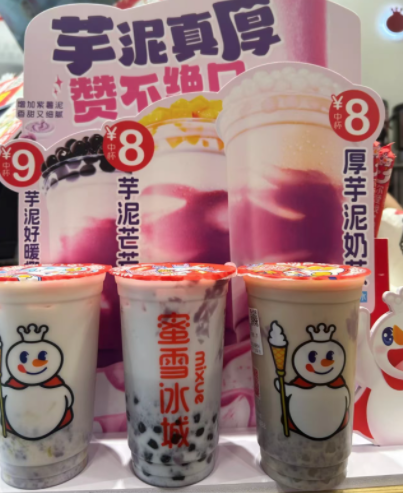
Introduction: The winter hot drink battle is in full swing, and Mixue's upgraded return of its thick taro series has become a consumer favorite. But store employees are troubled by the taro ingredient—frozen taro is hard to squeeze and takes time to thaw, affecting service efficiency. Through real cases and staff hands-on experience, this article reveals the ingredient challenges behind taro milk tea and offers practical taro-squeezing tips, helping you understand the story behind a low-priced taro drink.
As temperatures drop, hot drinks have become the star of the beverage market. This winter, new tea beverage brands have rolled out specialty hot drinks one after another, trying to secure a place in the "first cup of milk tea of winter" consumption boom. Among them, Mixue announced the upgraded return of its thick taro series, retaining the popular "Taro Warm Coconut" and "Thick Taro Milk Tea" while adding the hit combination "Taro Mango Mango." These new products all highlight thick taro as their selling point, and their affordable prices make consumers flock to them.
However, after the new products launched, many taro lovers who went to stores early in the morning to try them encountered the awkward situation of "no taro to drink." A netizen shared an experience: arriving at Mixue early in the morning hoping to be first to taste the new thick taro milk tea, they were told by staff that the taro had not yet thawed and would have to wait until the afternoon to be prepared. It turns out that the taro Mixue uses is centrally supplied frozen purple sweet potato taro, and store employees must take it out of the freezer in advance and wait for it to fully thaw—a process that cannot be completed in the short time before opening.
After some waiting, the netizen finally got to drink the long-awaited thick taro milk tea in the afternoon, and in chatting with staff learned that this type of frozen taro needs a certain amount of time from removal to usable condition. Staff suggested consumers avoid the morning rush and visit at midday or in the afternoon to reduce the chance of waiting or making a wasted trip.This detail reminds consumers that behind low-priced, high-popularity drinks there are also real limits of supply chains and preparation time.
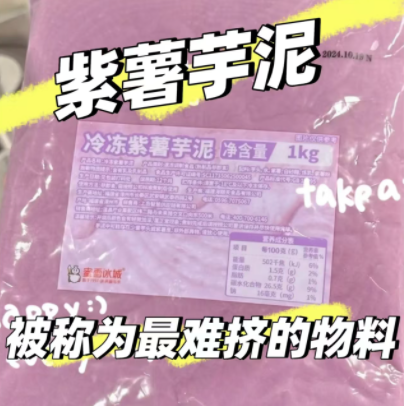
At the same time, social media has seen a flood of complaints from Mixue employees, saying this year's purple sweet potato taro is the "hardest ingredient to squeeze" they have encountered. The related topic #HowToSqueezeMixueTaro# sparked widespread discussion, with many new employees complaining in posts that the seemingly soft frozen taro is actually as hard to squeeze out as modeling clay, often causing bags to tear and leaving too much taro behind. One employee posted a photo of a packaging bag with a large amount of taro still left after much effort, admitting, "I really tried my best, but it just won't squeeze clean."
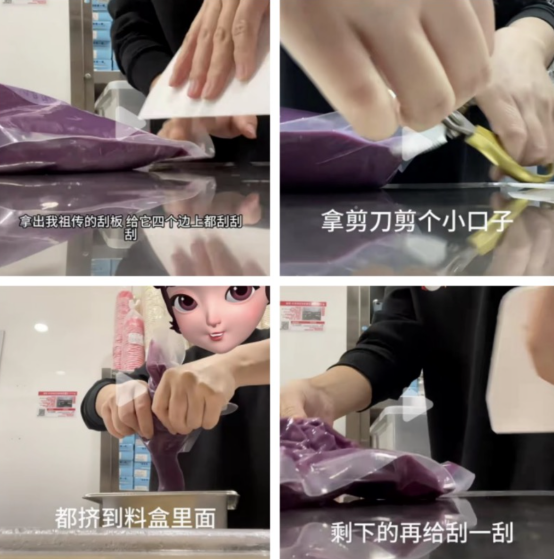
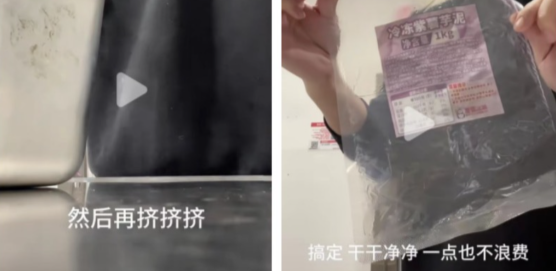
Faced with this common problem, some experienced veteran employees and franchise owners began sharing practical tips. Among them, a "taro-squeezing tutorial video" recorded by a franchise operator quickly went viral. In the video, the operator lays the frozen taro packet flat on a cutting board, uses a special scraper to repeatedly scrape along all four sides of the packaging bag, then carefully cuts a small opening at the corner of the bag and squeezes it into the ingredient box. Surprisingly, this series of steps made the formerly "stubborn" taro flow out smoothly, greatly improving prep efficiency.
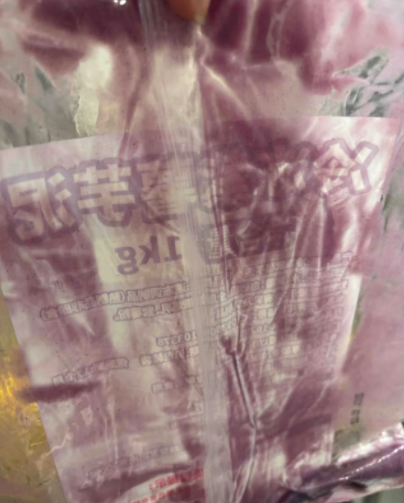
The video also shows how to deal with the taro remaining inside the packaging bag: continue scraping and squeezing along all four sides, and after repeating several times, the formerly purple-covered bag actually becomes clean, with almost no residue. This near-"zero waste" technique had many peers saying "learned something," and also gave consumers a side glimpse of the extra effort store employees put in behind a low-priced taro milk tea.These practical tips may seem simple, but they are effective methods for dealing with frozen ingredient challenges.
After the tutorial video was posted, it struck a chord and sparked discussion among many store employees. Many commented: "Why didn't I see this video earlier—I wasted so much taro today," "It's like the inspiration for squeezing instant noodle seasoning packets—it actually works," "I scraped the bag until it tore and still didn't get it as clean as you." Between the lines, the experience and wisdom frontline employees accumulate in daily work shine through. But some employees also suggested improvements, arguing that Mixue should optimize ingredient packaging design—for example, using packaging that is easier to squeeze or pre-portioning in advance—especially during peak service hours, when employees really have no time to repeatedly scrape every frozen packet.
From consumers' enthusiasm for low-priced taro hot drinks to the ingredient-handling difficulties store employees face, the return of Mixue's thick taro series is not only a product upgrade but also reflects the real challenges the new tea beverage industry faces under rapid expansion and cost control. For consumers, understanding these behind-the-scenes details may let us enjoy a warm cup of taro milk tea while also having a little more understanding for the hard work of store employees.


