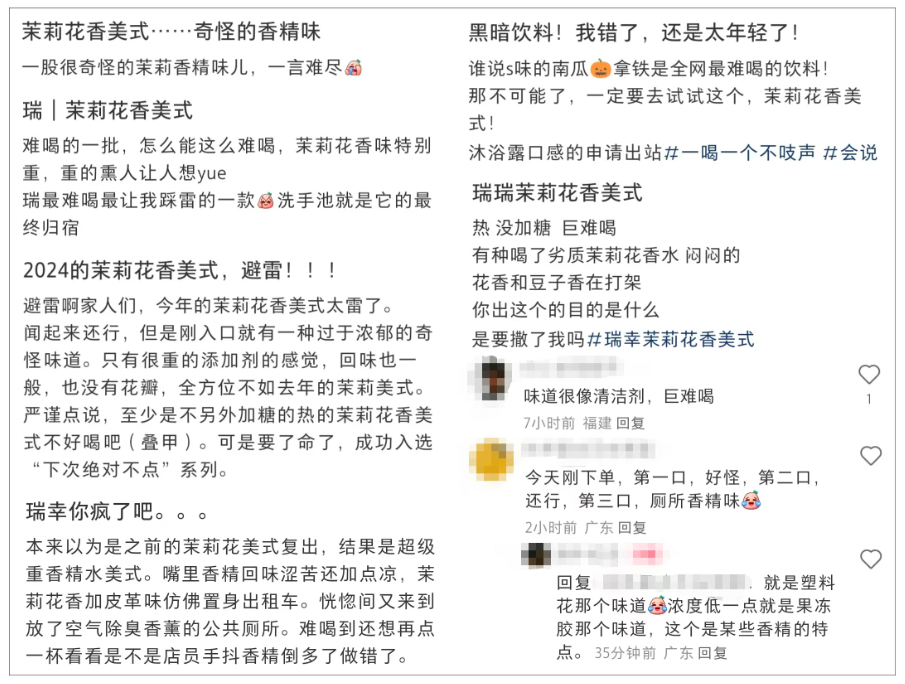
Luckin Jasmine Americano Returns: A Guide to Balancing Double-Petal Jasmine Tea and Coffee
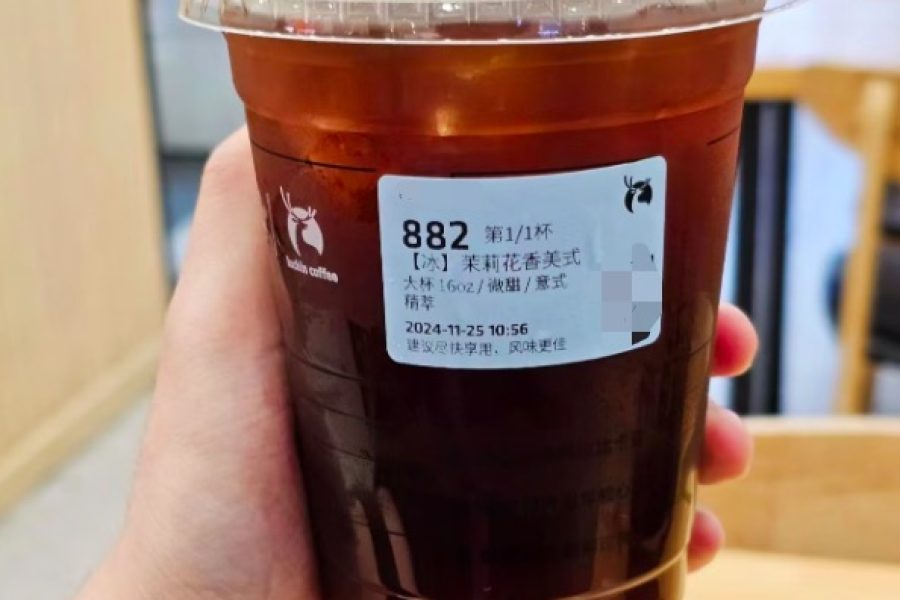
Introduction: Luckin's Jasmine Americano, which briefly appeared last year and sparked widespread discussion, has recently returned with adjustments to its recipe details. This article examines the tea-coffee drink built on a base of Guangxi Hengzhou double-petal jasmine tea—from how well the floral aroma and coffee flavors merge, to tips on choosing sweetness, to real consumer experiences—to help coffee lovers judge whether it suits their personal taste preferences.
Last summer, Luckin launched a seasonal iced coffee called Jasmine Americano, a drink combining Guangxi Hengzhou double-petal jasmine tea with coffee liquid. It was quietly pulled from the menu just four days after launch, prompting much speculation among consumers about the reasons. Despite the short sales window, its distinctive tea-coffee combination still built a loyal following, and many users left comments on social media calling for its return.
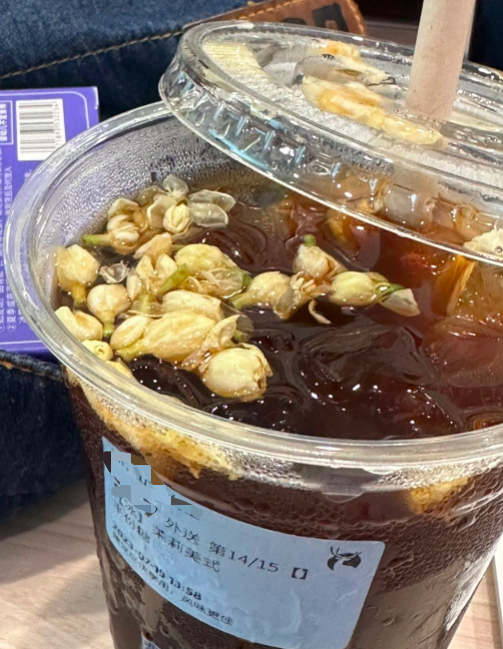
This year, Luckin responded to user demand and relaunched the tea-coffee drink in a revised version. The new edition keeps the core recipe of double-petal jasmine tea mixed with coffee liquid, but drops the signature dried jasmine flower garnish that had previously stirred controversy, presenting a pure floral flavor instead—visually simpler, with a focus on a refreshing experience of "fragrance without the flower."
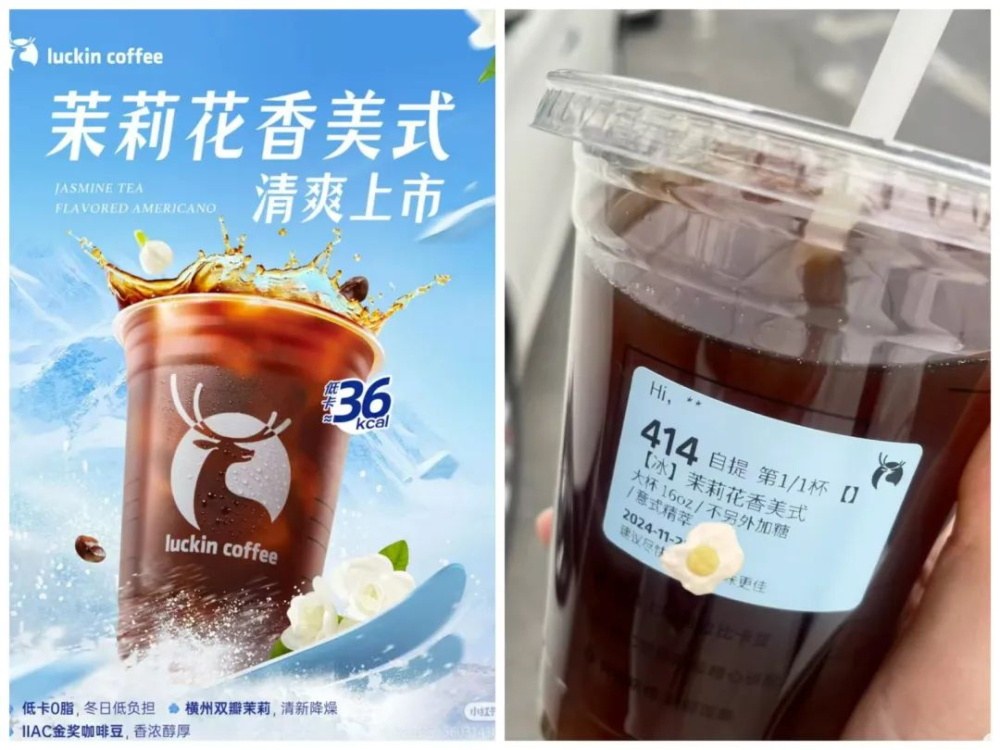
The new release quickly became a hot topic on social platforms. The most prominent feature in user feedback is the intense jasmine aroma impact—the moment the lid is opened, a rich floral scent rushes out, as if standing in a midsummer flower field. On the first sip the floral note weakens slightly but still clearly covers the coffee's original flavors, leading most drinkers to remember the tea aroma more strongly.
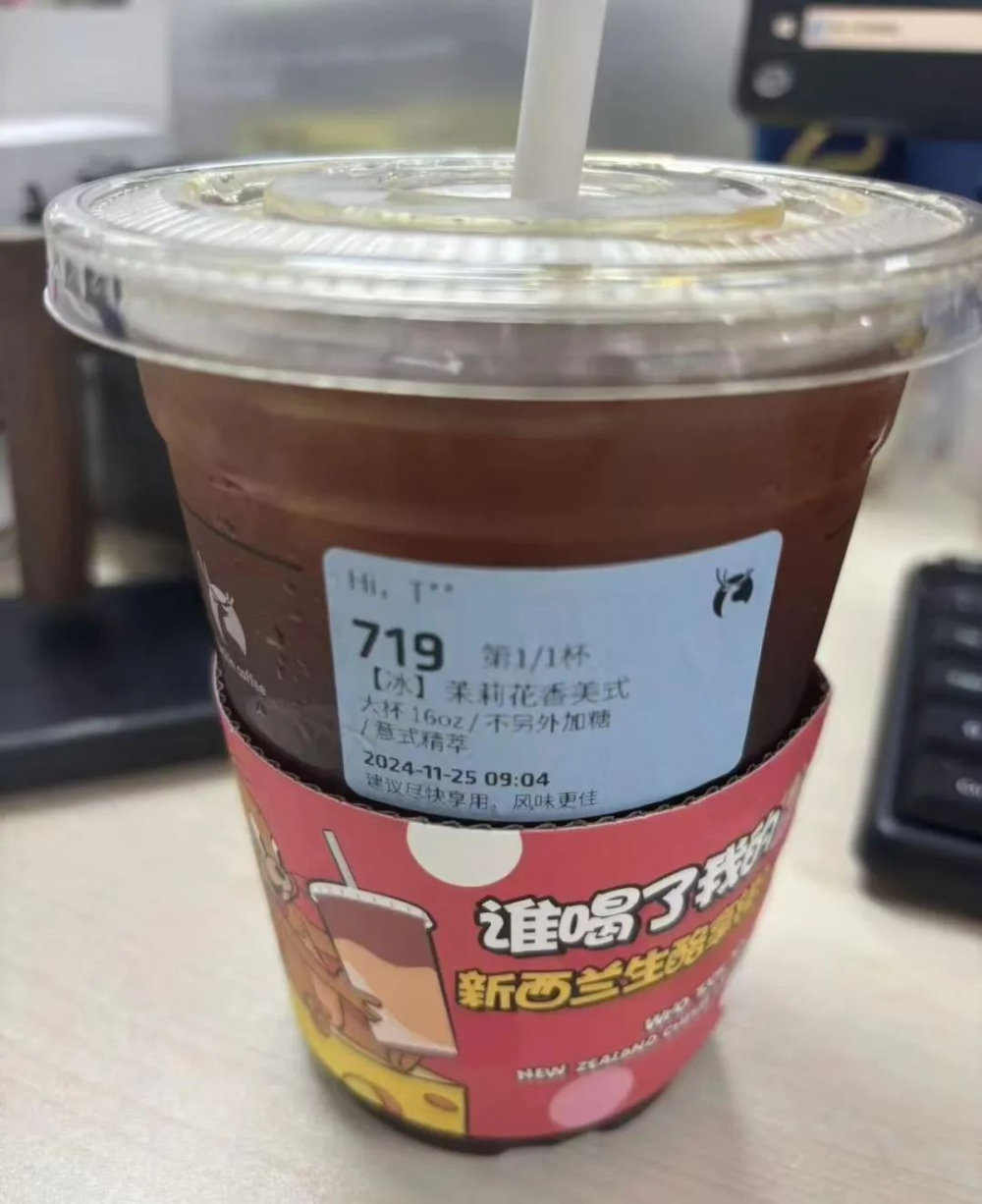
Compared with last year's original 1.0 version, longtime customers found two clear improvements in the revised recipe: first, the dried jasmine garnish, which easily affected mouthfeel, was removed, sparing drinkers the awkwardness of constantly spitting out petals; second, the process parameters for the jasmine tea were adjusted, reducing the astringency of the tea itself and improving overall smoothness. The ordering system also offers multiple sweetness levels, so consumers can adjust flexibly according to their tolerance for bitterness.
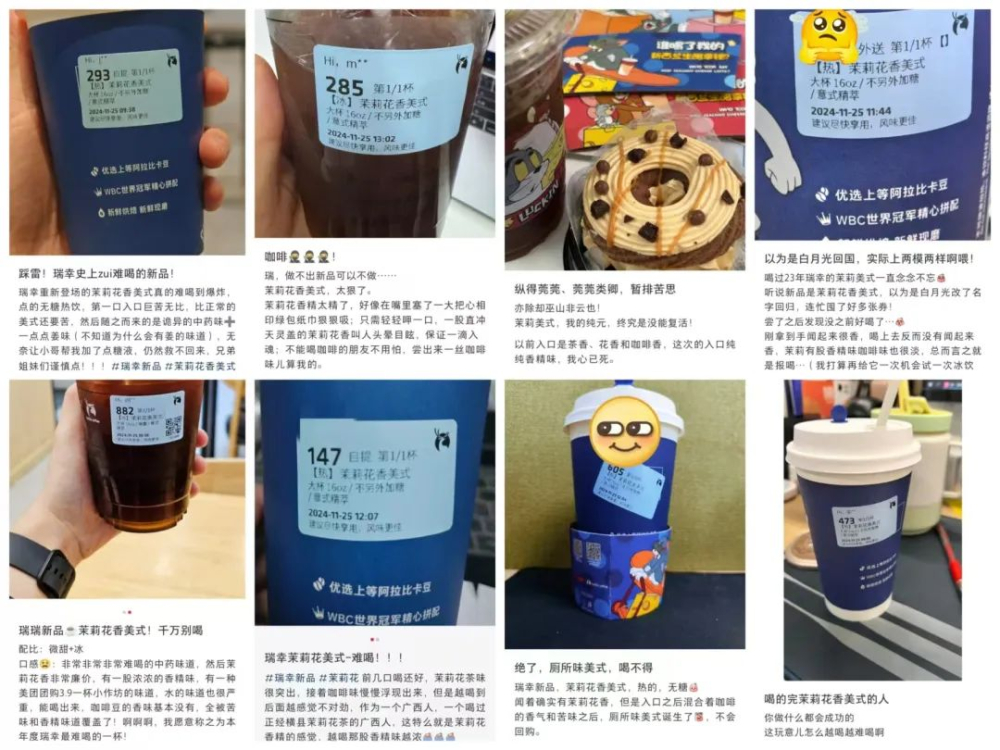
But some consumers questioned the intense floral aroma, feeling it came close to the style of household fragrance products—some described it as similar to "cheap air freshener" or "the artificial scent of low-grade paper napkins," and this industrial-feeling aroma undermined the natural harmony a tea-coffee drink should have. Loyal fans of the 1.0 version said more bluntly that the new version lacks the balanced interplay of tea aroma, floral aroma and coffee aroma from back then, "the scent now is too one-dimensional and pungent, like using flavoring to force a simulation of the taste in my memory."
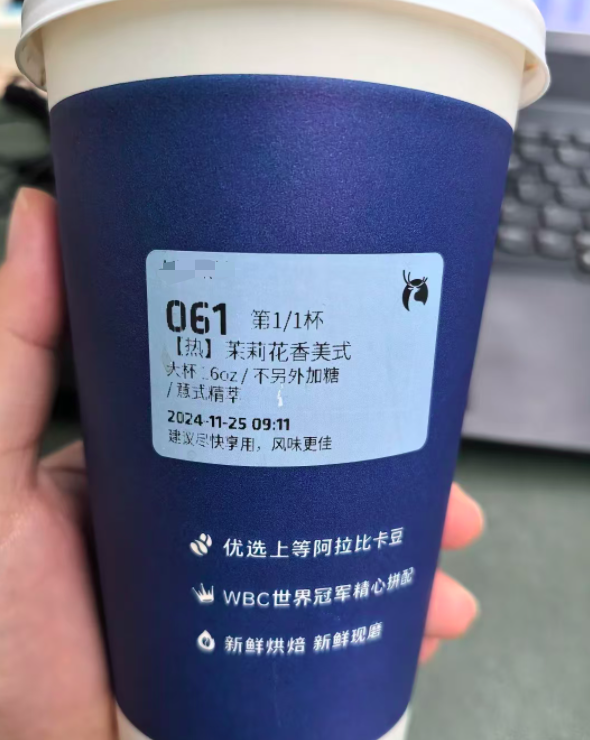
From a flavor-blending perspective, combining jasmine tea with coffee is inherently challenging: Guangxi Hengzhou double-petal jasmine is known for the traditional scenting process repeated seven times, and its floral intensity is naturally higher than that of ordinary jasmine varieties, making it prone to aroma competition when paired with dark-roasted coffee. First-time tasters are advised to choose a medium-to-low sweetness (such as 30%–50% sugar level), which eases the astringency of the tea-coffee while not completely masking the flavor layers.