Washed vs Natural Coffee Beans: Flavor Differences and Brewing Parameters
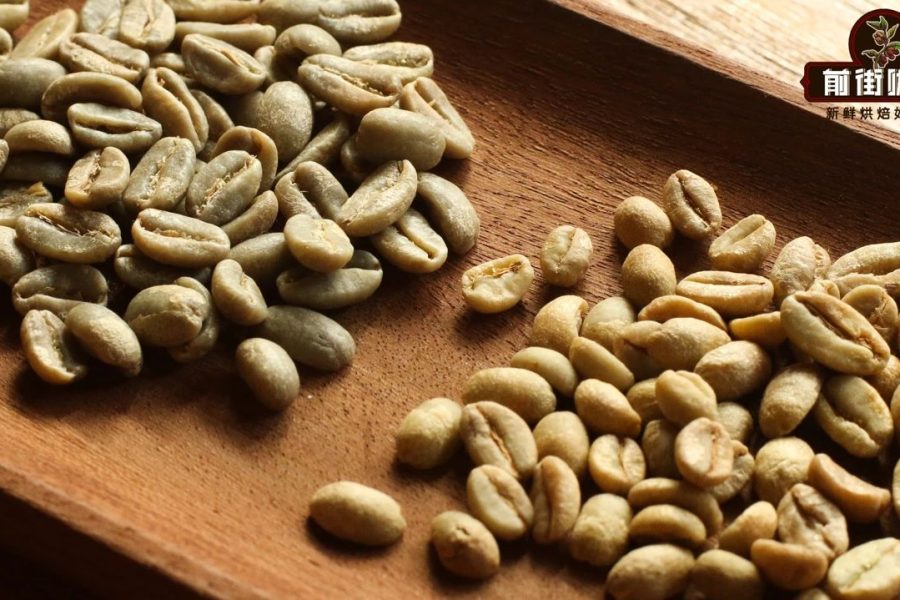
Introduction: Have you ever wondered why coffee beans from the same region taste so different? The key often lies in the processing method. This article compares the two mainstream methods, natural and washed, and explains how they affect coffee flavor. From fermentation level to sugar retention, from acidity to differences in clarity, it will help you master the core skills for quickly identifying processing methods and provide professional-grade brewing parameters. It also includes comparisons of classic producing regions to help you build a systematic understanding of coffee tasting.

At coffee tasting events, some people can tell how a bean was processed from a single sip, and this ability is not mysticism. Understanding the processing of green coffee is the key to unlocking flavor. This article systematically breaks down the differences between the two major methods, natural and washed, and takes you from principles to practice to fully master identification techniques.

Processing directly affects the overall flavor direction of coffee. The natural method is the oldest processing method: harvested coffee cherries are placed directly in the sun for a long drying period, and the outer husk is removed once moisture content drops to a safe range. This traditional method fully retains the sugars and flavor compounds in the fruit pulp, giving the coffee a full body and rich layers.
In contrast, the washed method originated in growing regions with abundant water. After the skin and pulp are removed with specialized equipment, the mucilage layer is broken down by microbial fermentation, then thoroughly rinsed with clean water and dried under controlled temperature. Its core advantage is that it can present bright fruit acidity and a clean taste base.
To quickly identify the processing method, it is best to start with flavor characteristics: natural beans usually have obvious fermented aromas, prominent sweetness, and complex layers; washed beans are known for bright citrus acidity, refreshing floral notes, and a clean finish. In actual tasting, choosing beans from the same region with different processing methods for comparative brewing is the most intuitive approach.
Take the Yirgacheffe region of Ethiopia as an example. Coffee from this area has a typical flavor base of citrus, florals, and tea-like notes, making it especially suitable for processing-method comparisons. Choose natural Red Cherry beans and washed Kochere beans from the same region and brew them with the same parameters: 20 g dose, 1:15 coffee-to-water ratio, V60 dripper, 92°C water temperature, grind setting 10, using a three-pour method.

In terms of flavor, naturally processed Yirgacheffe adds rich fermented fruit aromas on top of the base flavors; acidity is soft but sweetness is noticeably enhanced, the mouthfeel is layered, and it carries a distinctive vinous note. The washed version highlights sharper citrus acidity, with florals and tea notes more translucent, excellent overall clarity, and a refreshing, long-lasting finish.

The root cause of this difference lies in the processing: the natural method dries the whole fruit, allowing the green beans to fully absorb the natural sugars in the pulp while microbial activity produces complex aromatic compounds, and the longer fermentation period creates a fuller body. The washed method removes most of the pectin through water fermentation; sugars are converted into acidic substances during decomposition, and a strict washing process ensures flavor purity.
Professional advice: when buying coffee beans, prioritize lots that state a specific processing method. When brewing daily, pay attention to adjusting parameters: natural beans suit a slightly coarser grind (such as V60 setting 10-11) and a slightly lower extraction temperature (90-92°C) to highlight sweetness; washed beans can use a finer grind (setting 9-10) and higher water temperature (93-94°C) to strengthen acidity. Remember these key points, and you too can become an expert in appreciating coffee processing methods.