How to Choose Beans for Pour-Over: A Home Guide to Blends and Single Origins
Introduction: Faced with a dazzling array of coffee beans, how do you choose beans that suit your brewing method? This article clarifies the core differences between single-origin and blended beans from key dimensions such as extraction method, roast freshness, and regional flavor, and offers practical buying advice to help you easily find your ideal coffee beans.
When selecting coffee beans, do you feel at a loss facing a long list of varieties? In fact, mastering just a few core points can quickly match you with suitable coffee beans. Whether you are a pour-over enthusiast or an espresso user, you can find clear direction.
Choose bean type based on extraction method
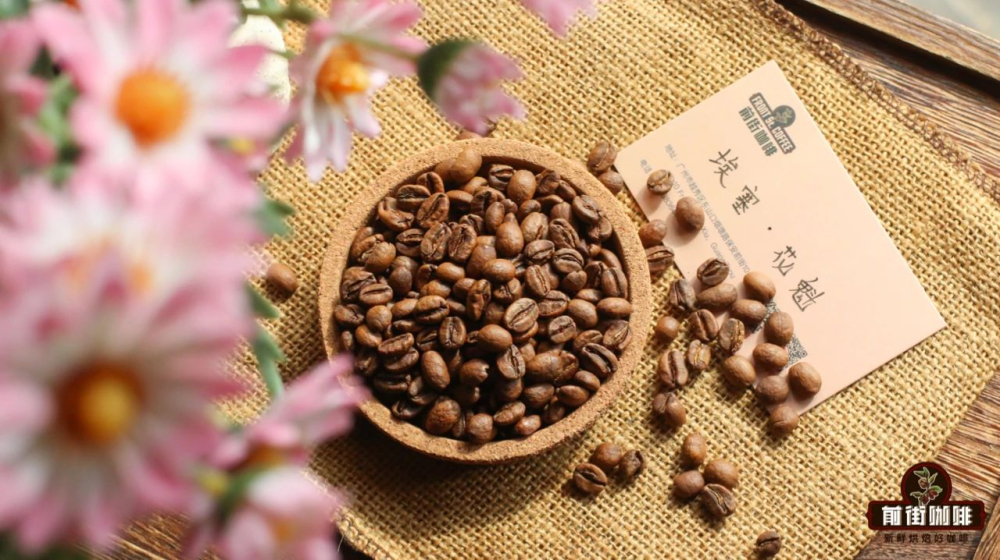
Coffee beans on the market fall mainly into two categories: single-origin coffee beans and espresso blends. Single-origin beans usually come from a single region or estate, with distinct and clear flavor characteristics—for example, African beans often have citrus notes, while Central and South American beans highlight nutty and chocolate aromas. Blends, by mixing raw materials from different regions and carefully formulated by roasters, ensure stable and balanced flavor, particularly suitable for those seeking a full-bodied taste.
If using pressure equipment such as a moka pot or espresso machine, prioritize blends—their richness in crema and balance are better suited to high-pressure extraction. Drip methods such as pour-over, French press, and cold brew are more suitable for single-origin beans, fully showcasing the uniqueness of regional flavors. Note, however, that this is only a general principle; professional roasters adjust roasting curves according to brewing methods—for example, lowering the roast level for pour-over to preserve acidity.
Freshness determines flavor performance
The flavor activity of coffee beans is closely related to the roast date. The optimal flavor period usually begins 15-20 days after the roast date, with single-origin beans at their best within 30 days and blends lasting up to 45 days. But beans just off the line are not immediately ready to drink—carbon dioxide and a dry sensation from roasting affect extraction and need to dissipate during the resting period.
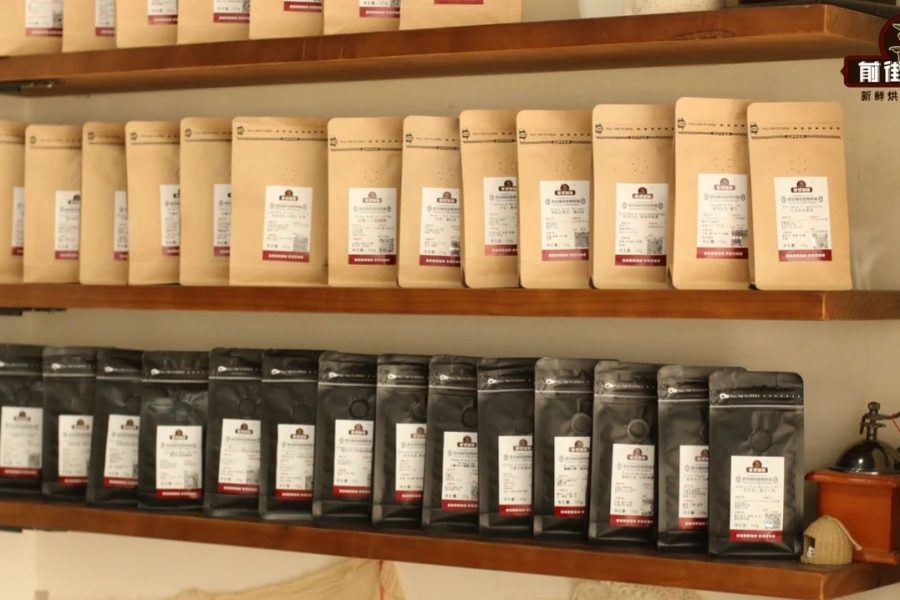
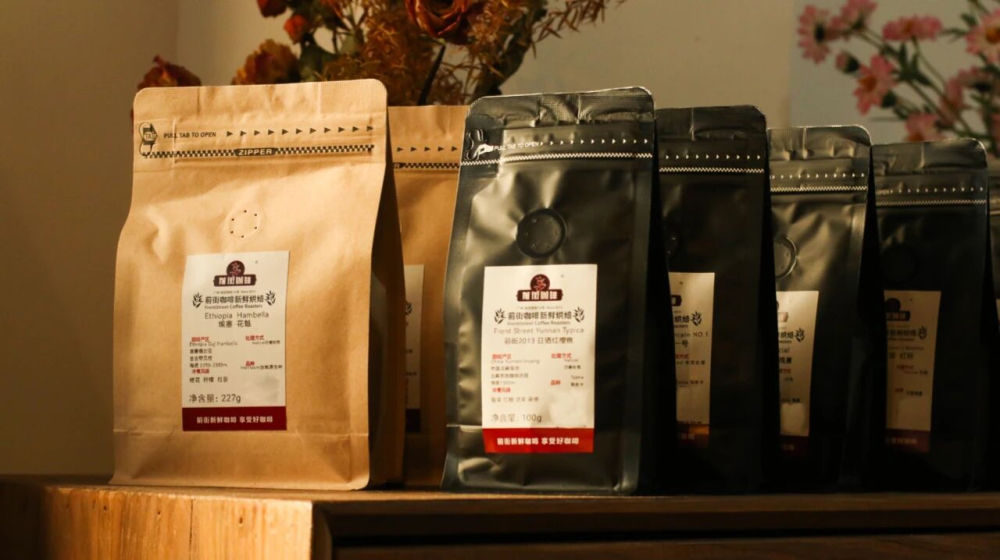
Resting time should be adjusted according to roast level: light-medium roasts rest 3-4 days, medium-dark roasts about 5-6 days, and espresso blends, being darker, need 7-10 days. Packaging with a one-way degassing valve automatically releases gas and blocks moisture; always confirm packaging integrity when purchasing. Never expose coffee beans to air, or the flavor will significantly deteriorate within hours.
Single-origin buying strategy
When choosing single-origin beans, refer to the characteristics of three major regions: African beans (Ethiopia, Kenya, etc.) suit light-medium roasts, highlighting jasmine floral and berry acidity; Central and South American beans (Brazil, Colombia, etc.) mostly use medium roasts, presenting a balance of nuts, caramel, and chocolate; Asian beans (Indonesia, Yunnan, etc.) recommend medium-dark roasts, reducing acidity and enhancing body. Beans with special processing methods (such as anaerobic fermentation, honey processing) will have more exuberant fruity or wine-like notes.
When reading flavor descriptions, note the keywords: terms like citrus, black tea, honey mostly appear in light-medium roasts; dark chocolate, cream, toasted bread relate to medium to medium-dark roasts; if strong descriptions like tropical fruit bomb or fermented wine aroma appear, they are usually specialty beans that have undergone special processing. After resting is complete, smell the bean surface before grinding; fresh beans should have obvious sweet or fruity aromas.
The impact of grinding format
Fresh grinding is crucial for flavor preservation. Whole beans can maintain flavor for up to 2-3 weeks, while ground coffee increases surface area, and aromatic substances rapidly dissipate within hours. If conditions allow, equip at least a manual grinder costing 200 yuan or more (such as conical or flat burr models), and adjust grind size according to brewing method: pour-over recommends medium-fine grind (like fine granulated sugar), espresso requires extra-fine powder.
If you don't have a grinder yet, choose freshly ground coffee in individual small packages, but note: unopened shelf life should not exceed 1 month, and use as soon as possible after opening. Drip bag coffee as a convenient alternative usually uses freshly ground coffee sealed in bags; when brewing, pour hot water at about 90°C and complete the pour in 10-15 seconds for stable extraction.
Check packaging details
Quality coffee bean packaging must include a one-way degassing valve and a clearly printed roast date (not shelf life). Avoid products labeled only with a production date; beans more than 60 days after roasting are best approached with caution even if unopened. When storing, keep whole beans in a cool, dark place; no refrigeration needed (temperature differences cause condensation that damages flavor). If you find the bean bag inflated or off-odors, it indicates excessive degassing or spoilage.
By comprehensively considering extraction method, freshness, regional characteristics, and processing techniques, even coffee beginners can gradually establish their own bean selection standards. Remember: the best coffee bean is always the one that suits your personal taste preferences.