Panama Esmeralda vs Ethiopia Gesha Village: Top Geisha Coffee Bean Flavors and Brewing Parameters
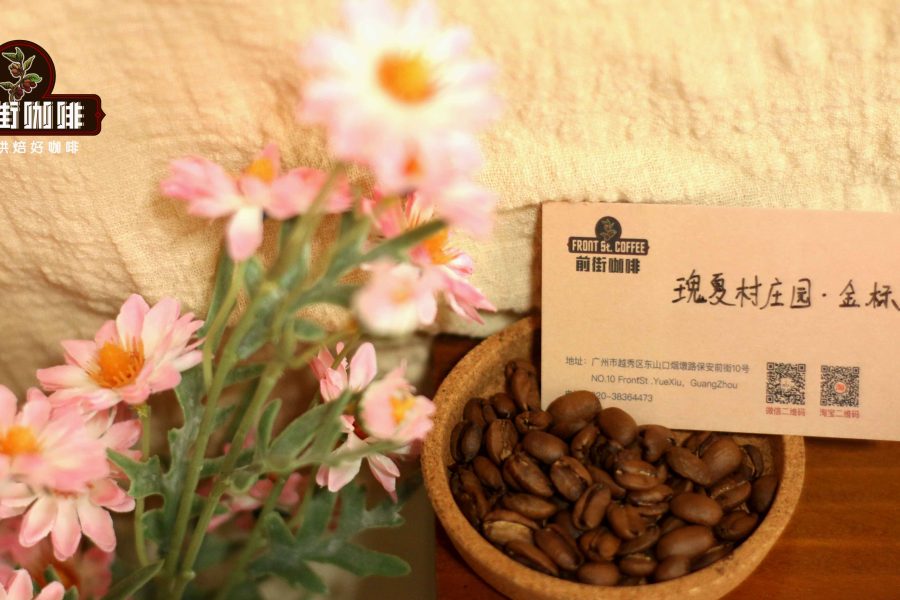
Introduction: This article provides an in-depth comparison of two top-tier Geisha coffee beans—Panama Esmeralda Estate Red Label Geisha and Ethiopia Gesha Village Gold Label (Gesha 1931)—detailing their differences from variety origin and regional terroir to brewing parameters and flavor performance. Through practical testing with medium-light roasting and medium-dark extraction schemes, it offers a sensory guide to floral-honey notes and fruity acidity layers, helping you precisely choose the Geisha you desire.
In the specialty coffee world, Panama Esmeralda Estate's Red Label Geisha and Ethiopia Gesha Village's Gold Label Geisha (Gesha 1931) have always been focal points of discussion among enthusiasts. Due to their high green bean costs and exceptional quality, these two beans are often priced separately for pour-over—the former at about 75 yuan per cup, the latter at about 60 yuan per cup—attracting beginners trying Geisha for the first time. But faced with two 'labels,' how should one choose? Which offers better value? The answer requires examining details from variety and region to processing method.
In the Chinese context, 'Red Label' and 'Gold Label' are essentially commercial grading labels. Take Esmeralda Estate: its highest-grade Geisha is officially named "Esmeralda Special," requiring a cupping score of ≥91 points and each lot accompanied by detailed origin information; the 'red' comes from the trademark background color. Similarly, Gesha Village's Gold Label is officially called "Rarities," accounting for 10% of the estate's total production, with each lot indicating its plot source. Note that both estates have red/green label systems, which are easily confused due to 'color clashes'; when ordering, be sure to confirm the specific estate and grade.

Although both are called 'Geisha,' they are actually 'distant relatives.' The Panama Geisha that won the 2004 BOP competition was traced back to the 'geisha T2722' variety collected in the 1930s from the Gesha area of the Kaffa forest in southwestern Ethiopia, later recorded by CATIE in Costa Rica as a fungal-resistant variety. Gesha Village's 'Gesha 1931,' however, is a similar variety selected by owner Adam in the Gesha area based on the morphology and flavor of Panama Geisha; while flavors are similar, genetics cannot confirm common origin—the former is the original sample, the latter a derived selection.
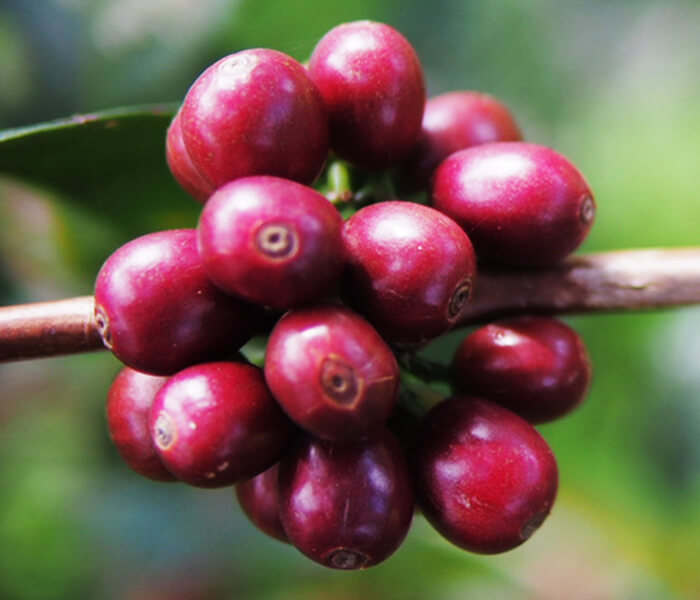
Terroir differences directly shape the flavor profiles. Esmeralda Estate is located in the Boquete region of Chiriquí Province, Panama, where high altitude, fertile volcanic soil, and a microclimate with large day-night temperature swings allow the T2722 variety to express typical floral notes (rose, jasmine), honeyed notes (apricot, dried fruit), and nutty tones (toffee). Gesha Village is located in Ethiopia's Bench Maji region, with a minimum altitude exceeding 1,900 meters; the jungle-surrounded environment gives coffee cherries conditions for slow ripening at low temperatures, accumulating a richer base of fruity acidity and tropical fruit flavors.

To experience top Geisha flavor, the natural-process versions of both beans are recommended—both medium-light roasted to highlight floral and fruity aromas. Suggested brewing parameters: 15g coffee, 1:15 coffee-to-water ratio, 92°C water temperature, V60 dripper with three-stage pouring (Ek43 grinder at setting 10, 80% pass rate through a No. 20 sieve). This scheme balances extraction efficiency and flavor layers, especially suitable for showcasing Geisha's delicate acidity and sweetness.

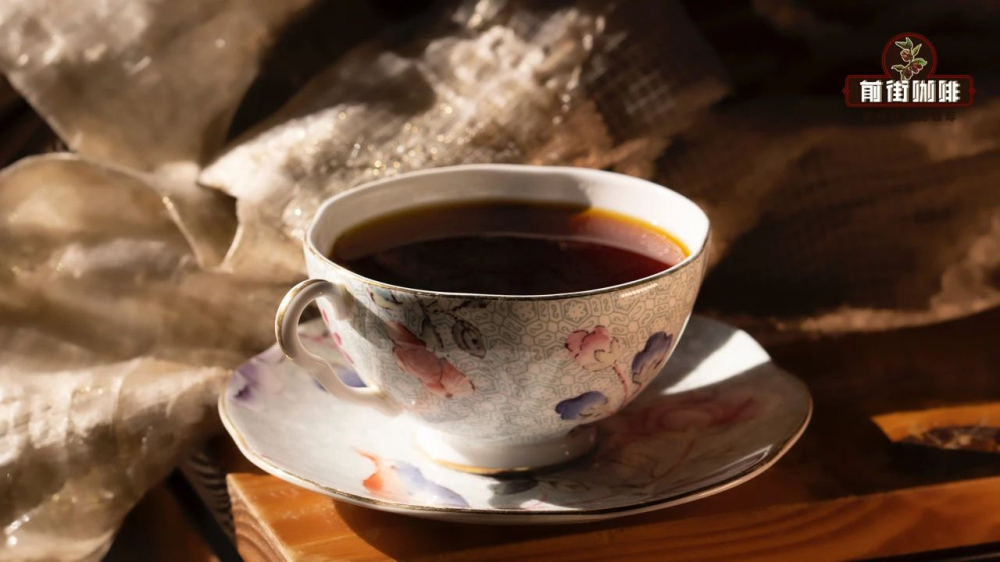
Differences can be distinguished at the dry aroma stage: Gold Label Geisha (Gesha 1931) is dominated by citrus fruit aromas, with a particularly prominent fresh orange peel note; Esmeralda Red Label emits rose floral and dried-fruit sweetness, accompanied by a rounded base of almond and toffee. After brewing, the Gold Label's front section presents bright acidity of blueberry, sweet cherry, and melon, transitioning in the middle and back to a finish like small green mandarin; the Red Label centers on tropical fruits (mango, pineapple), layered with jasmine floral and cranberry complexity, with a persistent, non-astringent finish of dried mango and fruit candy sweetness. In terms of overall flavor complexity and layers, the Red Label Geisha edges ahead.

It is worth noting that plot information for the two beans directly affects flavor details: the best Red Label lots are grown at the Buenos Aires plot in Jaramillo, Boquete, while the Gold Label comes from Gesha Village's Oma plot. When purchasing, consumers can prioritize the origin indicated in the lot report and choose based on their preference for acidity or sweetness (e.g., choose Gold Label for fresh citrus, Red Label for rich fruity aromas).

A common misconception about the variety needs clarification: the name 'Geisha' comes from Ethiopia's Gesha area, but the 'T2722' mainly grown in Panama is genetically different from Ethiopian native varieties; Gesha Village's 'Gesha 1931,' though inspired by Panama Geisha, is an independently selected similar variety. Additionally, grades such as 'Green Label' and 'Blue Label' in the Chinese market are merely commercial identifiers; actual quality should be based on the specific estate's cupping standards.
In summary, Panama Esmeralda Red Label Geisha and Ethiopia Gesha Village Gold Label each have their own characteristics: the former excels in rich complex aromas and a full finish, suited to drinkers seeking layers; the latter wins with fresh fruity acidity and bright citrus notes, better for beginners who prefer a lighter mouthfeel. Whichever you choose, proper control of brewing parameters (e.g., water temperature not exceeding 93°C, grind size not too fine) is key to unlocking the flavors.

Appendix: Practical brewing parameter optimization suggestions—if the water flow is coarse, adjust to a total extraction time of 2 minutes (first pour to 1/3 of water volume, bloom for 30 seconds; second pour to 2/3, 15-second interval; final pour to fill remaining water); if worried about over-extraction, slightly adjust the coffee-to-water ratio to 1:16 to reduce concentration while preserving flavor clarity.