Mandheling Coffee: From Golden Mandheling to Wet-Hulling and Brewing
Introduction: This article takes an in-depth look at the past and present of Mandheling coffee, from the history of Indonesian coffee and the evolution of varieties from Typica to Catimor, to the unique background of Golden Mandheling and the brand story of PWN. It also fully analyzes the influence of Sumatra's wet-hulling process on flavor and provides detailed brewing parameters and practical tips for Golden Mandheling, helping you gain a deeper understanding of this classic dark-roasted coffee.
The story of Indonesian coffee begins at the end of the 17th century, when the Dutch occupied the island of Java and introduced the first Typica coffee seedlings from India. Initially, Typica was the representative variety of Indonesian coffee, widely planted in Java, Sumatra, Sulawesi, and elsewhere. However, the coffee leaf rust outbreak of 1869 dealt a severe blow to these growing regions; Typica died off on a large scale, bringing enormous challenges to the coffee industry.

To restore production, Indonesia began introducing the more disease-resistant Robusta variety, which remains the mainstay of Indonesian coffee to this day. At the same time, to improve yields and survival rates, Indonesia also introduced a number of hybrid varieties, including the Tim Tim series, Bor Bor, and Catimor (known locally as Ateng). These varieties are not only disease-resistant but also adapted to Sumatra's unique climate and soil, developing a distinctive herbal, spicy character. They gradually replaced traditional Typica to become the main varieties planted in the Sumatra region, accounting for as much as 70 percent.

The wet-hulling process widely used in Sumatra is a unique method suited to the region's hot, humid climate. Average annual humidity there reaches 70 to 90 percent, and the traditional washed method easily causes green beans to mold during drying, whereas wet-hulling effectively solves this problem.
The wet-hulling process is similar to the washed method: first the coffee fruit pulp is removed, and after about 3 hours of fermentation to remove the mucilage, the parchment-covered green beans are briefly dried to a moisture content of 20%-24%, while the beans are still semi-soft. The parchment layer is then removed with a huller, and drying continues until the moisture content drops to 13%. This method greatly shortens processing time, but it also brings a unique "side effect."

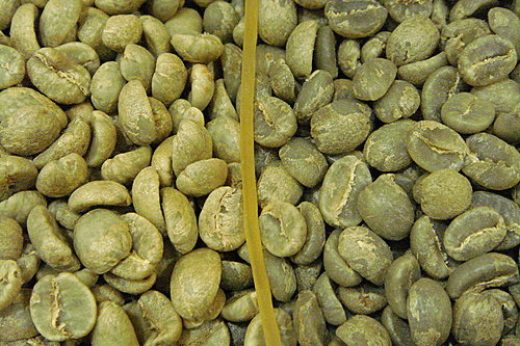
During hulling, the parchment is stripped off by strong friction, causing uneven stress on the surface of the green beans; the two ends of the bean in particular are prone to damage, forming what is commonly called "goat-hoof beans." The hulled green beans are exposed to a humid environment and dry quickly, absorbing a large amount of off-flavors from the air, which gives the final coffee a rich woody, herbal, and spicy character—this is precisely the "taste of place" for which Sumatra coffee is known. Wet-hulling also lowers acidity and increases body, and after roasting it often carries complex aromas of dark chocolate, caramel, and nuts, making it especially favored by consumers who prefer dark-roast styles.

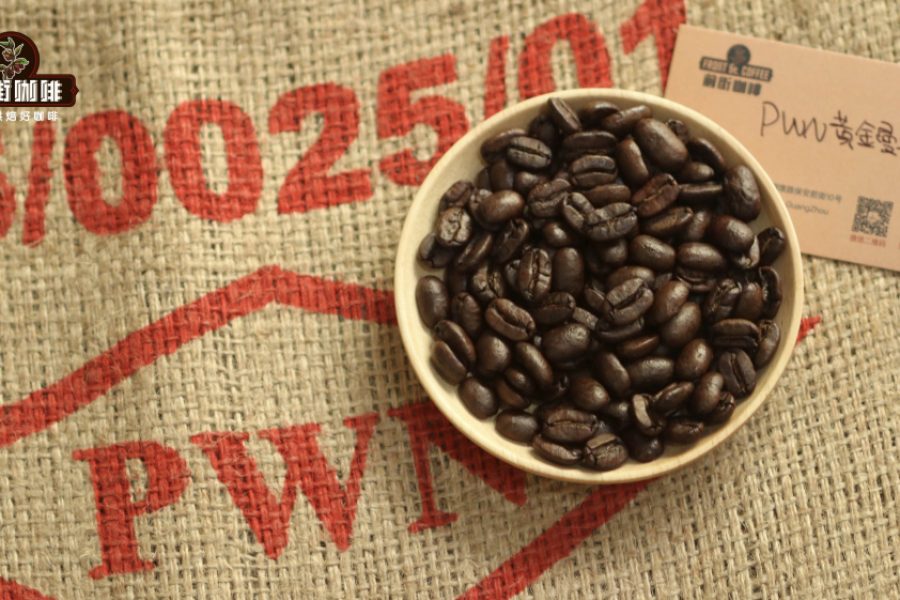
When it comes to Mandheling, a widely circulated account holds that the name stems from a language misunderstanding during World War II. At the time, Japan occupied Sumatra, and a soldier tasted a richly flavored coffee locally. When he asked the shop owner the name of the coffee, the owner, unable to understand the language, thought he was being asked where he came from and answered "Mandailing." After the war, the soldier introduced this coffee to Japan, where it became hugely popular and indirectly gave rise to PWN (Pwani Coffee Company)—today the well-known producer of Golden Mandheling.

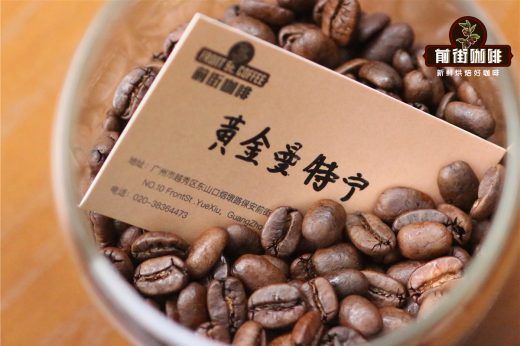
PWN focuses on purchasing and refining high-quality Mandheling green beans, and its "Golden Mandheling" is regarded as a benchmark product. To ensure quality, PWN has set extremely strict screening standards, including the density, size, shape, and color of the beans. Defective beans are removed through one machine sorting and four rounds of hand sorting, ensuring that every coffee bean is uniform, large, and translucent, and reducing earthy and off-flavors. It is said that these beans gleam golden in the sunlight, hence the name "Golden Mandheling."

It is worth noting that PWN beat Japan to registering "Golden Mandheling" as an English trademark, so only Golden Mandheling produced by PWN is authentic. Other similar products on the market are usually called "Ding Shang Mandheling" or other names. Consumers can identify the authentic product by the PWN logo on the packaging and the official certificate of origin.

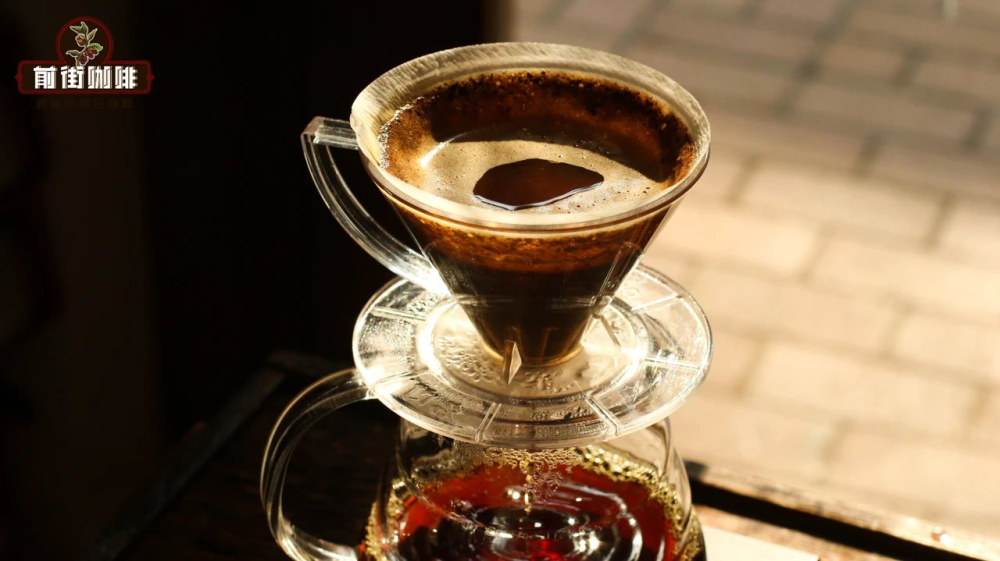
Golden Mandheling is best enjoyed as a pour-over, which fully brings out its rich layers and full-bodied texture. The KONO dripper is recommended for extraction: its upper half has smooth inner walls and its lower half has short ribs, so after pouring, the filter paper fits tightly against the dripper, restricting the release of gas, extending extraction time, and enhancing concentration and body—especially suitable for dark-roasted beans.

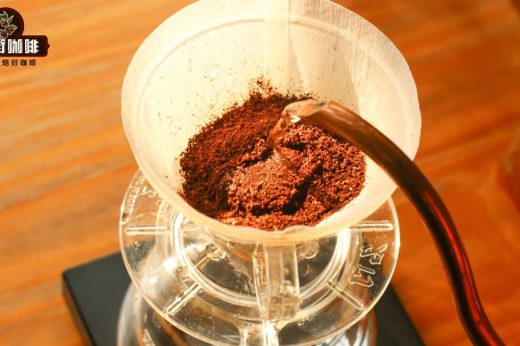
In practice, use 15 grams of ground coffee (adjustable to 15-20 grams depending on dripper size), with a coffee-to-water ratio based on 1:15 (adjustable within 1:13-1:17), and a medium-fine grind of about 70% passing a Chinese No. 20 standard sieve. The brewing parameters are: KONO dripper, 87°C water temperature, three-stage pouring. First pour 30 grams of hot water and bloom for 30 seconds; once the coffee grounds swell into a "dome," continue pouring steadily to 125 grams; when the water level drops by half, pour the final 100 grams, keeping the flow steady throughout to ensure even extraction. When the process is complete, remove the dripper and gently swirl the carafe to mix the coffee before tasting.
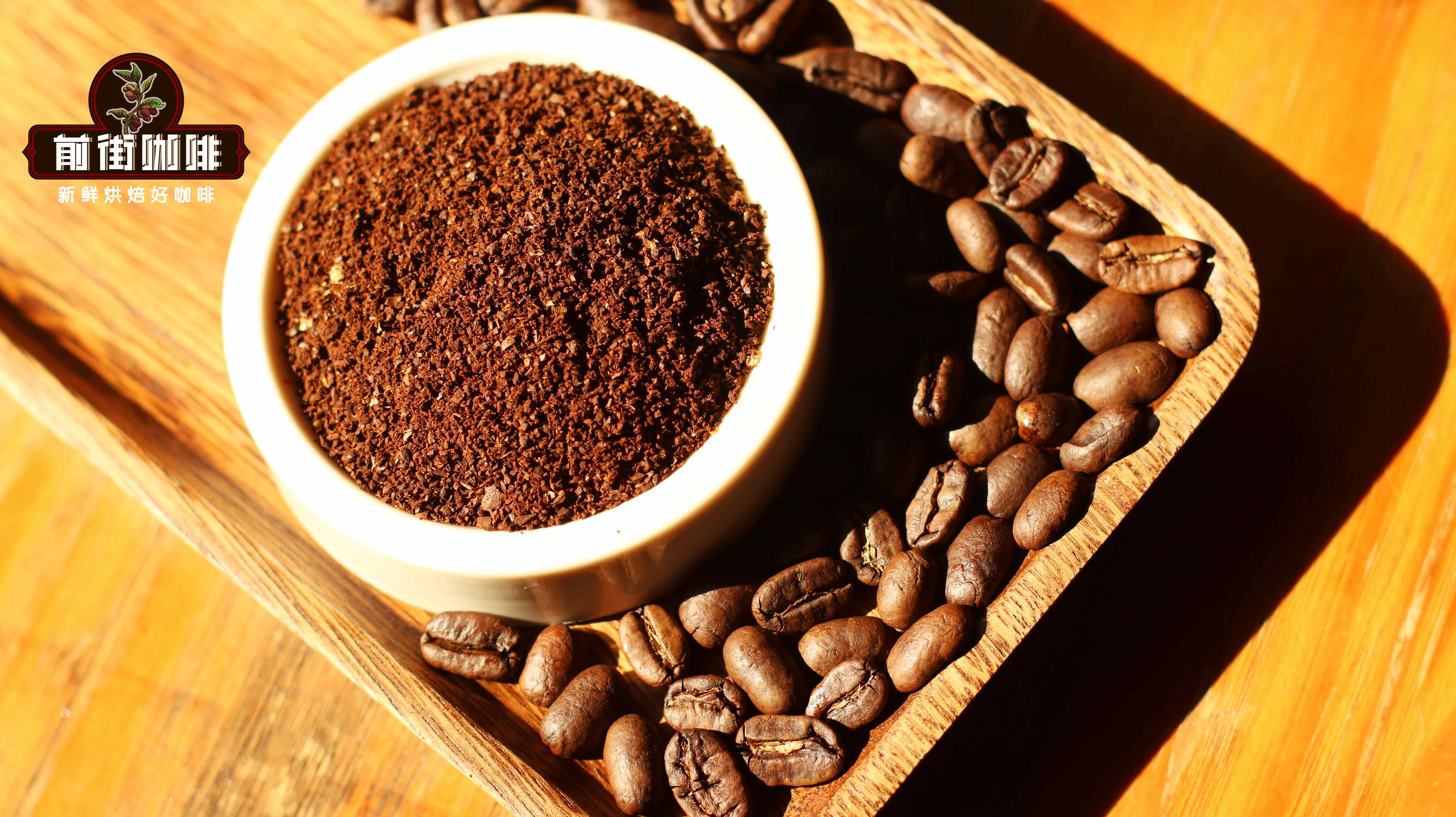
Using freshly roasted coffee beans is especially important; beans within 5 days of roasting are recommended to experience the best flavor period. Freshly brewed Golden Mandheling often shows prominent cedar, spice, dark chocolate, and roasted nut aromas, with a full, rich entry, a clean finish, and a caramel sweetness, giving an overall balanced and layered performance.