Mandheling Coffee: Sumatra Origins, Grading and Wet-Hulled Flavor
Introduction: From the Arabica first planted during the Dutch colonial era to today's globally popular "Sumatra Mandheling," Indonesian coffee carries a complex history and a distinctive regional flavor. This article examines the origins and evolution of Mandheling, compares the growing conditions of Sumatra's various producing regions, explains the G1-G6 grading standards and the sorting process behind Golden Mandheling, and reveals how the wet-hulled process shapes its signature low-acid, full-bodied taste, along with professional brewing parameters and tips for recognizing the flavor.
Indonesia is not only a major coffee-producing region globally, but also the birthplace of the highly recognizable "Mandheling" flavor profile. This coffee, known for its intense, full body, is often described as having earthy, dark-chocolate notes, yet its pronounced herbal bitterness makes it a divisive choice among coffee lovers—devotees are captivated by its rich nutty and caramel finish, while detractors regard it as a peculiar experience akin to traditional Chinese medicine.
Dating back to 1699, the Dutch East India Company (VOC), seeking to break the Arab monopoly on the coffee trade, first introduced Arabica trees to the island of Java. After successful trial plantings around Batavia (present-day Jakarta), the colonists gradually expanded to Sumatra, Sulawesi and other islands. Between 1725 and 1780, the VOC pushed Indonesian coffee onto the international market through monopolistic trade, and Sumatra—an equatorial tropical rainforest climate zone with a steady annual average of 25-27°C, 1600-2200 mm of rainfall and mineral-rich volcanic soil—gradually became a core region for quality Arabica.
Indonesia's coffee industry has passed through several major turning points: an outbreak of leaf rust in 1876 nearly wiped out the native Typica variety, and the more disease-resistant Robusta was subsequently promoted in the lowlands of East Java in 1900, still accounting for about 85% of the national output today. The remaining 15% of Arabica is concentrated in northern Sumatra (above 1200 m elevation), Sulawesi and the Java highlands, and Mandheling is the representative branch of Sumatran Arabica.

Sumatra, the world's sixth-largest island, has geographical features that profoundly shape its coffee-growing pattern. The island is bisected by the equator; the north receives abundant rainfall from July to September under the monsoon influence, while the south enters its rainy season from December to February. The year-round hot, humid environment, combined with microclimates formed by Lake Toba and Lake Tawar, creates a distinctive flavor spectrum. Notably, Mandheling in the broad sense all comes from Sumatra, but the sub-regions differ markedly: the Lintong hills in the north-central area near Lake Toba are the main source of regular Mandheling, while the Gayo highlands (Aceh Special Region) at 1500-2500 m elevation are known for old tree stock and organic cultivation, producing premium lots referred to as "green coffee."

A common misunderstanding about varieties needs clarification: the TimTim or Ateng labels on the market are not independent varieties but local colloquial names for Timor (an Arabica hybrid containing Robusta genes) and Catimor (a Caturra × Robusta hybrid). These adaptable hybrid varieties have become the mainstream of Indonesian Arabica, especially widely planted in north-central Sumatra.

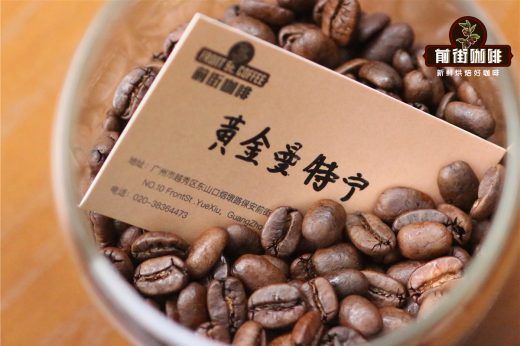
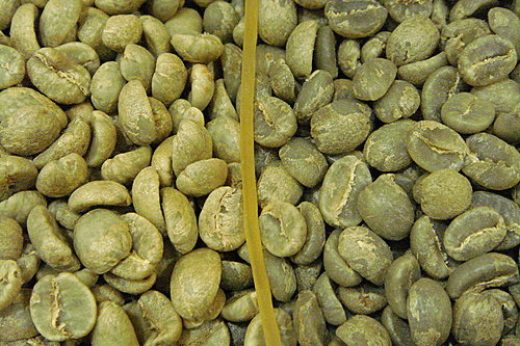
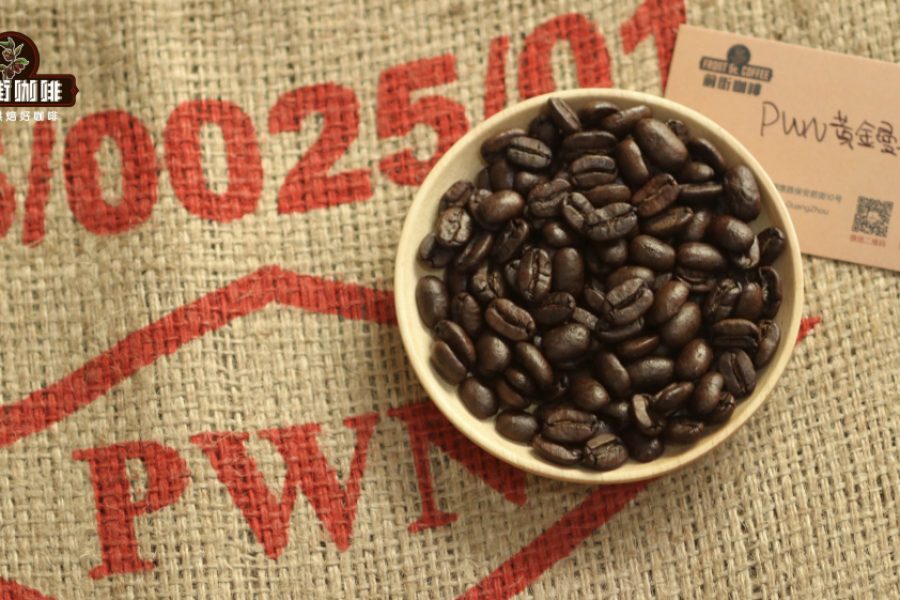
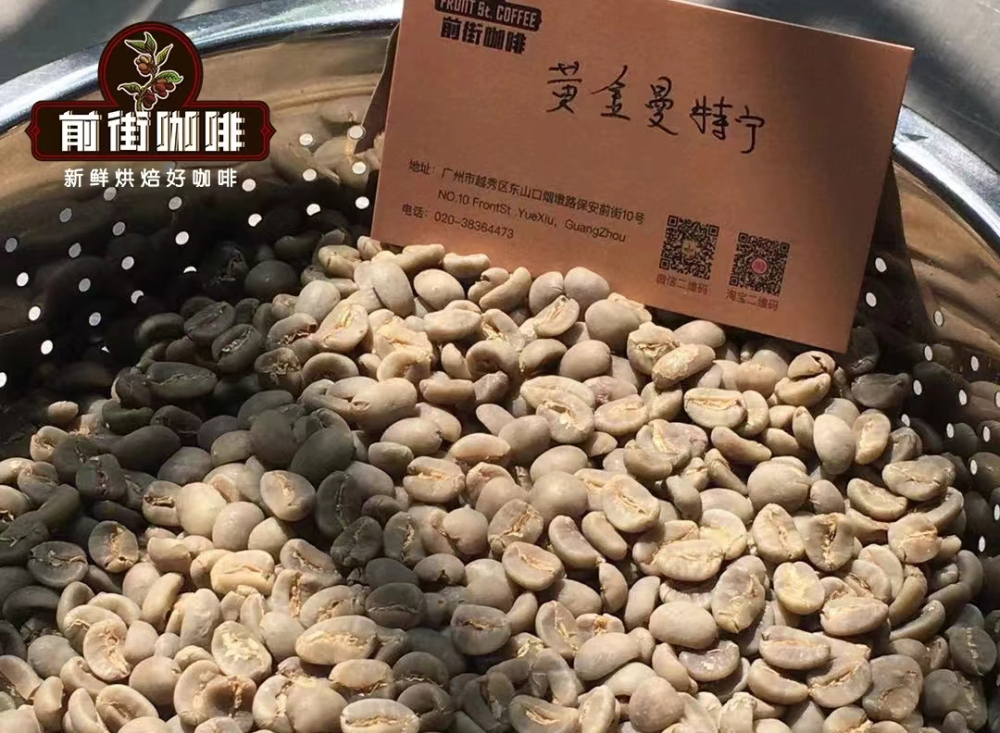
Indonesia's coffee grading system strictly follows internationally accepted defect standards, using a 300-gram sample test to classify six grades from G1 to G6. **The top grade, G1, requires no more than 11 defects per 300 grams of green beans**, while also taking bean uniformity and visual integrity into account. Top estates apply even stricter manual sorting on top of this—for example, the famous "Golden Mandheling" must pass one mechanical sorting and three manual hand-sorting rounds to ensure every bean meets the size standard (18 mesh and above) and the defect rate is below 3 per 300 grams, ultimately presenting a dark green luster and a uniform flat-bean shape. Lots certified by PWN (a well-known Indonesian green coffee trader) are often packaged separately and marked "Triple Picked Grade 1."

The formation of Mandheling's unique flavor is inseparable from its signature wet-hulled process (Giling Basah). Because Sumatra is hot and humid year-round (70%-90% humidity) with insufficient sunlight and frequent typhoon interference, the long drying required by the traditional washed method is difficult to achieve. This modified process first soaks and ferments the coffee cherries with the parchment on to remove the pulp, then sun-dries them for 1-2 days until the moisture content drops to 30%-50%, after which the not-yet-fully-dried parchment layer is hulled off and drying continues. **The rapid dehydration process causes the beans to deform under pressure, creating the distinctive "goat's hoof" crack**—not a defect, but an identifying visual feature of Mandheling. The wet-hulled process accelerates Maillard reactions by disrupting cell structure, giving the coffee a full body, lower acidity and intense woody-spice aromas.

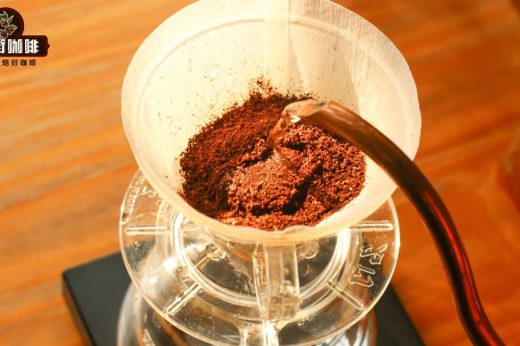
For wet-hulled Mandheling, a KONO dripper is recommended for pour-over to enhance the full body. The dripper's smooth inner wall and fewer ribs slow the water flow and promote even immersion of the coffee bed. Suggested parameters: grind adjusted to 75% passing a No. 20 sieve (equivalent to medium-coarse), a coffee-to-water ratio of 1:15 (adjustable to 1:13-1:16 to taste), and a water temperature of about 88°C. The three-stage extraction process is as follows—first pour 30 g of hot water and let it bloom for 30 seconds to release carbon dioxide; then pour in a small, circling stream up to 125 g as the first stage; finally continue pouring to a total of 225 g, with a total extraction time of about 2 minutes. This method balances oil extraction and bitterness suppression, highlighting layers of nuts, caramel and dark chocolate.

When buying, consumers should note: green bean boxes labeled G1 usually carry the origin, grade and producer information (such as the words "INDONESIA G1 TRIPLE PICKED"). Freshness directly affects flavor performance; choose coffee beans shipped within 5 days of roasting and drink them after a 4-7 day resting period following arrival. If buying pre-ground product, brew immediately to avoid oxidation and loss of aroma.