Indonesian Lake Toba and Java Mandheling: G1 Flavors and Brewing Guide
Introduction: Indonesian Mandheling coffee is known for its full, rich body and distinctive herbal and dark chocolate notes, yet it is often mistaken for having only a single bitter taste. This article takes a close look at selected G1-grade Mandheling coffee beans from the Lake Toba and Java growing regions, covering the background of their origins, variety characteristics, the wet-hulling process, flavor differences and the best brewing methods, to help you gain a more complete understanding of this classic coffee type and find the option that suits your personal taste preferences.
Mandheling is not a place name but an ethnic group name. Many people, when first encountering Indonesian Mandheling coffee, are often unfamiliar with its low acidity, rich intensity and even slightly heavy flavors, especially coffee lovers accustomed to the bright fruity acidity of Yirgacheffe or the floral and fruity aromas of Geisha. In fact, Mandheling refers to an ethnic group on the Indonesian island of Sumatra, and only Arabica coffee produced on that island—especially around Lake Tawar in Aceh in northern Sumatra and around Lake Toba in the south—may be called Mandheling.

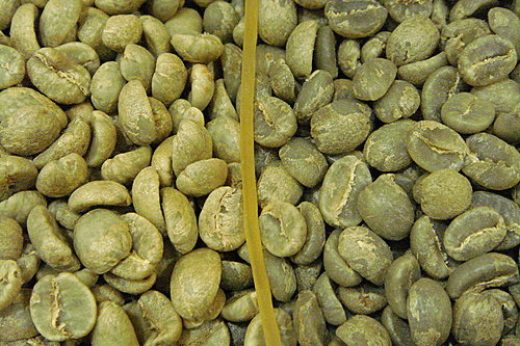
Sumatra's finest coffee-growing areas are concentrated in two places: around Lake Tawar in Aceh in the north, and the mountains surrounding Lake Toba in the south. Smallholders here generally use a distinctive semi-washed processing method, and together with the soil's low iron content, this often gives fresh green beans a special blue-green hue. Lake Toba is located in central North Sumatra and is a famous large volcanic lake in Indonesia; the surrounding mountains are precisely the important Mandheling coffee-producing area now widely known. As for Lake Tawar in the north, although its area is less than one-tenth that of Lake Toba, it is the core area for Aceh coffee, producing coffee beans with a distinctive style.

In the history of Indonesian coffee exports, there is an episode concerning "Java Mandheling." In 1888, Dutch colonists moved coffee varieties originally grown in Java north to the Lake Toba area, thereby giving rise to the Mandheling style we know today. The Lintong region is located in the mountains south of Lake Toba and is one of the important current sources of high-quality Mandheling, while Lake Tawar coffee in northern Aceh, with different variety characteristics and terroir, creates a different flavor profile.
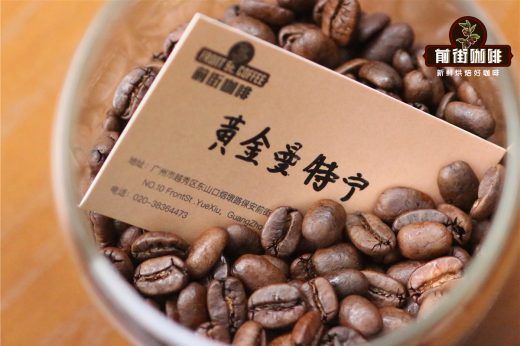
In the specialty coffee market, two representative Mandheling beans are often seen: one from the Lintong region, and the other labeled as Golden Mandheling produced by PWN. The latter is a registered trademark of Indonesia's PWN Puwani company, and its uniqueness lies in the fact that each batch undergoes at least three rounds of hand sorting, selecting only beans of screen size 18 or above with fewer than 3 defective beans (per 300 grams of green beans), meeting high standards and belonging to the top G1 grade, with a darker green appearance and flat bean shape.


Because of Golden Mandheling's high screening standards, imitations are not uncommon on the market—some sellers pick out similar-looking green beans from G1 grade and, after three rounds of hand sorting, try to imitate the appearance of PWN Golden Mandheling. But such products cannot obtain official certification and can only be classified as "specialty Mandheling." Genuine PWN Golden Mandheling comes with a company certification certificate and a dedicated burlap sack marking, so pay attention to these details when buying.
In terms of flavor, PWN Golden Mandheling usually comes across as cleaner and brighter, with an obvious sweet aftertaste, though it may be slightly less full-bodied than traditional Mandheling from the Lintong region. If you prefer a full, solid mouthfeel with woody and herbal notes, Lintong Mandheling is a good choice; for drinkers seeking clear sweetness and a smooth aftertaste, Golden Mandheling is worth trying.

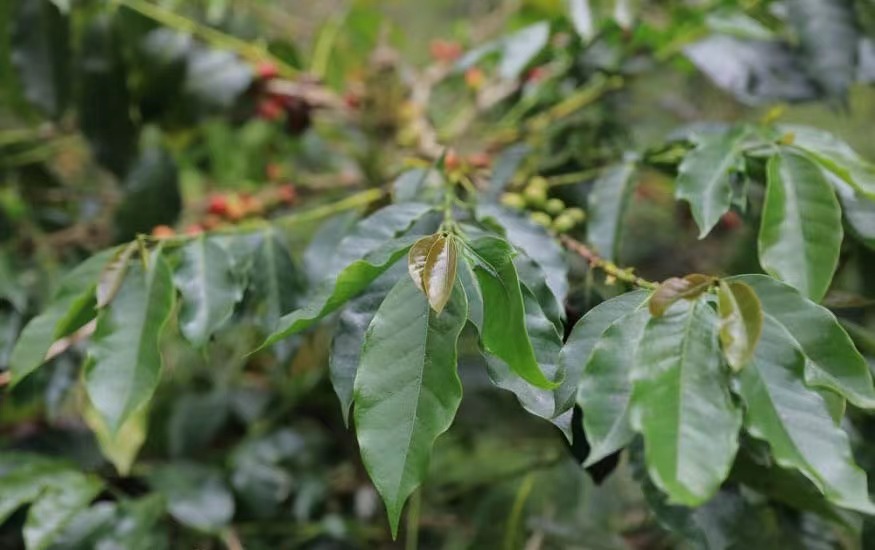
In terms of varieties, the Lintong region mainly grows the timtim (Timor) variety, an Arabica variety with Robusta lineage that has stronger resistance to disease and pests. PWN Golden Mandheling, on the other hand, uses the ateng variety, namely Catimor, a cross between Caturra and Timor. Both adapt to Indonesia's hot and humid environment and can better resist common leaf rust and pest problems.
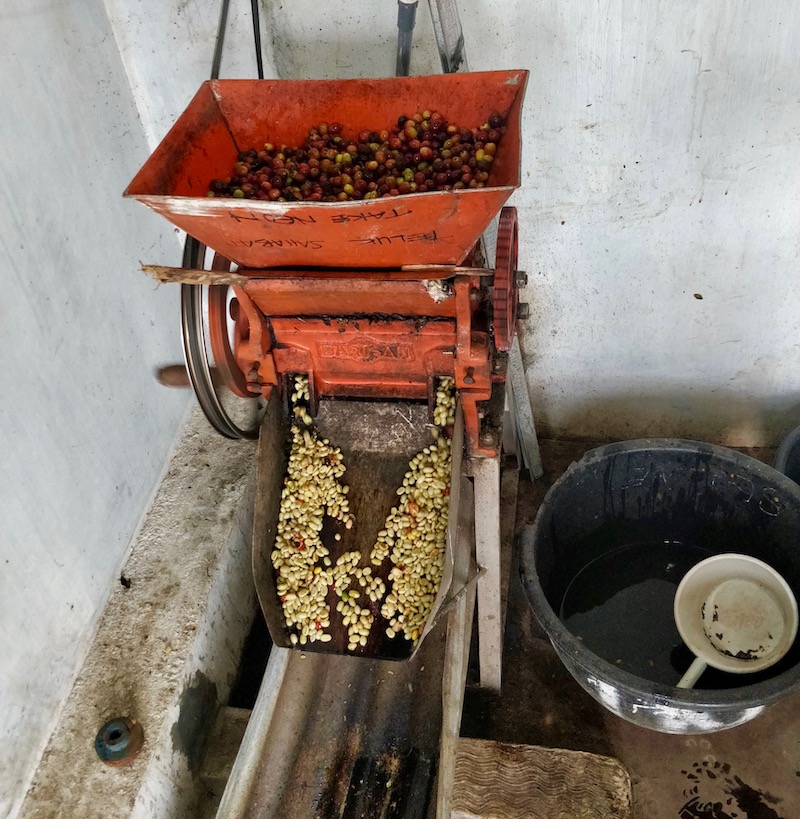
Indonesia's special geographical and climatic conditions determine that its coffee processing methods are different from others. The local climate is humid and rainy year-round, so coffee farmers usually carry out washed fermentation quickly after harvest, then immediately use a pulper to remove the pulp and mucilage layer. At this point the green beans have a moisture content of about 30%–40%, and then through sun drying or artificial drying, the moisture is reduced to about 13%. This wet-hulling method (Giling Basah) greatly shortens drying time, not only reducing storage and transport costs but also giving the coffee beans a rich, full-bodied and highly distinctive character, making it the signature process of Indonesian coffee.
In terms of flavor, Indonesian Mandheling coffee usually presents a full mouthfeel, low acidity, prominent herbal and dark chocolate base notes, sometimes accompanied by woody notes and a slight earthy aroma. The roasted beans are relatively large and often give off a caramel-like aroma; they are suitable for pour-over and espresso blends and are a regular on the basic bean lists of many coffee shops.
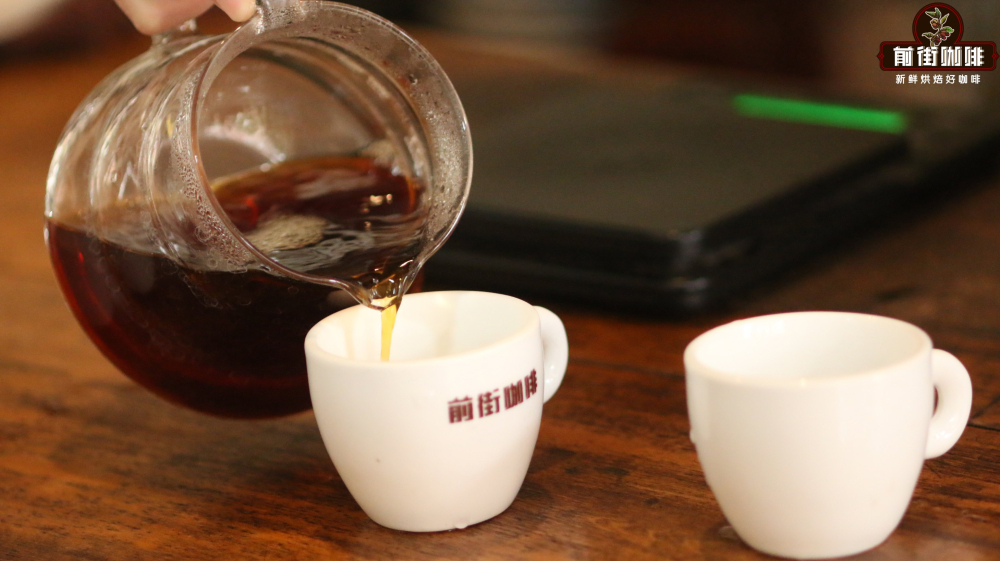
To ensure the best flavor, it is recommended to choose fresh beans shipped within 5 days of roasting. In terms of brewing, because of its low acidity, Mandheling is not prone to unpleasant astringency even after long holding or when made into iced coffee. Below is a set of reference parameters suitable for most pour-over equipment:
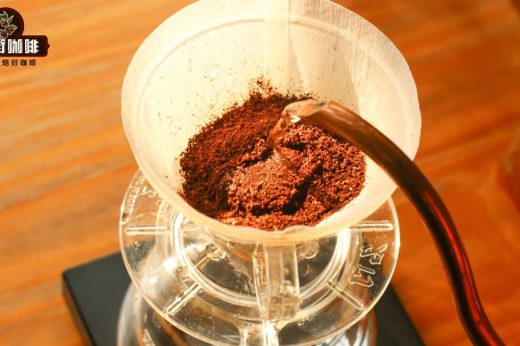
- Dripper: KONO
- Dose: 15 g
- Water-to-coffee ratio: 1:15
- Grind: 70% passing a Chinese standard No. 20 sieve (medium-coarse leaning fine, close to the common medium-fine grind for pour-over)
- Water temperature: 88°C
- Steps: Bloom with 30 g of water for 30 seconds, then pour in a small stream to 125 g in stages, then slightly increase the flow and pour gently to 225 g; total extraction time about 2 minutes.
This set of parameters helps balance Mandheling's body and complexity, highlighting its herbal, dark chocolate and slightly sweet notes, and is suitable for daily drinking and more advanced exploration.