Decoding Mandheling coffee: specialty vs. Golden Mandheling
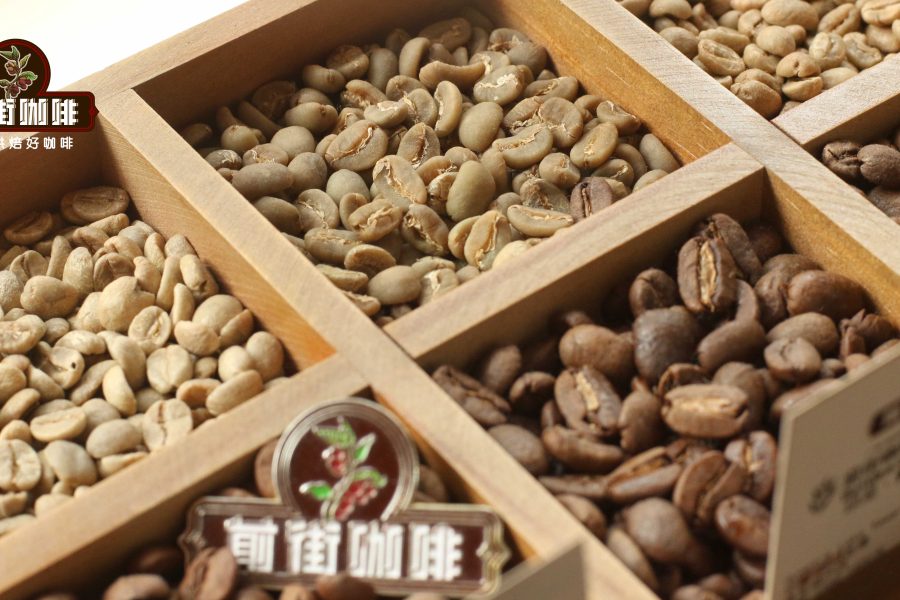
Introduction: Indonesian Mandheling coffee is known for its rich, full body and low acidity, and is the everyday go-to for many coffee lovers. Yet Mandheling is not all the same: why do some cups taste clean and bright, while others are heavy and full? This article explains the core differences between specialty Mandheling and Golden Mandheling, from origin, variety and processing method to brewing suggestions, to help you choose the Mandheling that suits you.
When it comes to Indonesian coffee, Mandheling is undoubtedly one of its representatives. It is known for its intense herbal aroma, low acidity and full body, and is especially favored by coffee lovers who prefer dark roasts and rich, aromatic flavors. But many people are put off on their first try by its pronounced bitterness and low acidity, and even assume that Mandheling is just a monotonous “bitter coffee.” In fact, high-quality Mandheling is not only bitter: beneath its deep base notes lie subtle acidity and rich layers, such as herbal notes, dark chocolate and caramel aromas—complex and thought-provoking flavors.
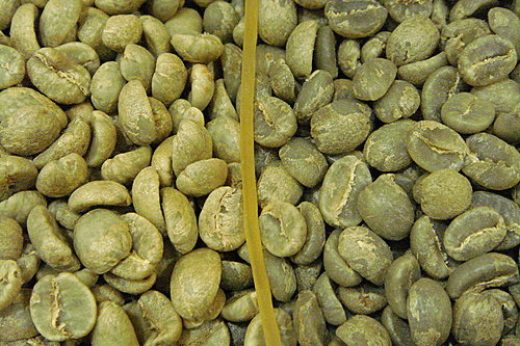
Many people wonder where Mandheling actually comes from. In fact, “Mandheling” is not a place name but the name of an ethnic group on the Indonesian island of Sumatra. Only arabica coffee beans grown in Sumatra are entitled to be called Mandheling. Sumatra's finest coffee-growing areas are concentrated in two regions: around Lake Tawar in Aceh in the north, and the mountain areas along the shores of Lake Toba in the south. Most coffee farmers here are smallholders who generally use a distinctive semi-washed processing method; combined with the low iron content of the local soil, the fresh green beans often show a peculiar pale blue hue.
Sumatra's two largest quality coffee regions are Lake Tawar in Aceh in the north and Lake Toba in the south. Lake Toba, in the central part of North Sumatra Province, is a famous Indonesian volcanic lake surrounded by mountains, with a cool, humid climate; it is an important traditional Mandheling producing area. Lake Tawar, at the northern tip of Sumatra, covers less than one-tenth the area of Lake Toba, but its coffee quality has improved rapidly in recent years; the coffee of the Gayo region is the best known, with clear flavors and a distinctive regional character.
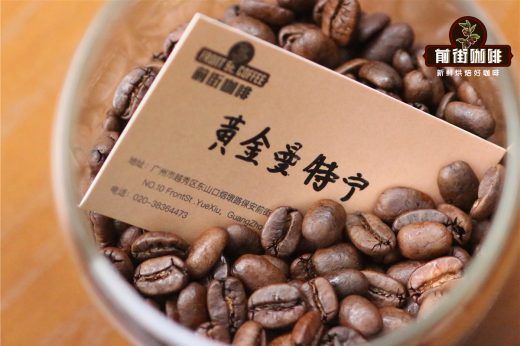
Among the many Mandheling coffees, two classic representatives are often discussed: one is the regular Mandheling from Lintong (around Lake Toba), and the other is the higher-quality Golden Mandheling. The core difference between the two lies not only in flavor but also in strict screening standards and processing procedures. Golden Mandheling is a registered trademark of the Indonesian company PWN, and its production requirements are extremely strict: after picking, the coffee beans must undergo at least three rounds of hand sorting to ensure that every bean is screen size 18 or above, that the proportion of defective beans is strictly controlled at no more than 3 per 300-gram sample, and that the beans are dark green with a regular, flat shape—only then can they bear the name “Golden Mandheling.”
Because of Golden Mandheling's high quality and scarcity, many counterfeits have appeared on the market. Some merchants select large beans of screen size 18 or above from ordinary G1-grade Mandheling and imitate the three-round hand-sorting process to make the appearance resemble the genuine product, but such beans can only be classified as “specialty Mandheling,” not true Golden Mandheling. Genuine Golden Mandheling comes with an official certificate issued by PWN, and the PWN logo is clearly marked on the burlap sacks of green beans; these credentials can be used to verify authenticity when purchasing.
Actual cupping comparisons show that Golden Mandheling has a cleaner, purer flavor with prominent sweetness; the finish is refreshing with an obvious sweet aftertaste, but its body is slightly less than that of regular Mandheling. The latter is known for its full body, solid mouthfeel and rich herbal and dark chocolate flavors, making it more suitable for drinkers seeking a heavy experience. If you prefer a clean, bright cup, Golden Mandheling is the better choice; if you favor a rich, deep flavor, regular Mandheling will satisfy you more.
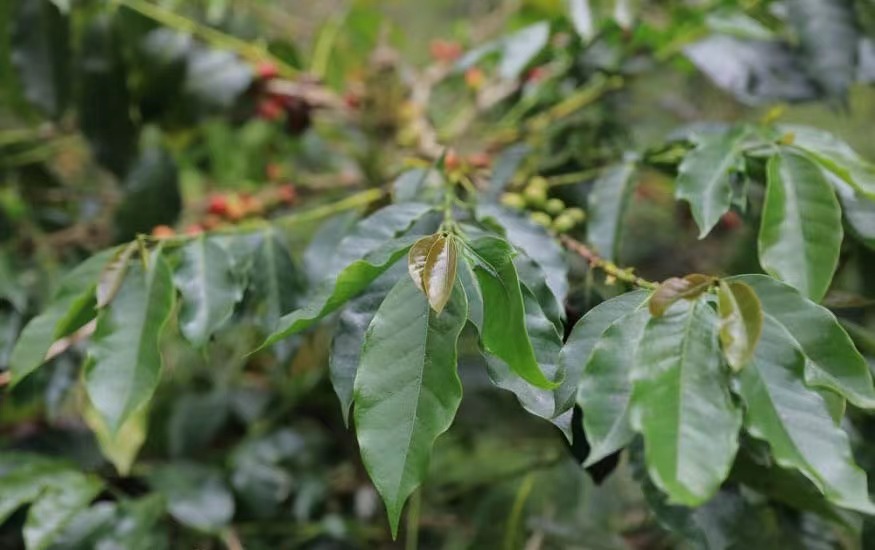
Besides origin and screening standards, coffee variety is also a key factor affecting flavor. Mandheling from the Lintong region mostly uses the TimTim variety, an arabica bean with robusta lineage that is highly disease-resistant and adapts to hot, humid environments; Golden Mandheling uses the Catimor variety, a hybrid of Caturra and TimTim that also has excellent stress resistance. Both varieties grow stably in Indonesia's hot, humid climate, laying the foundation for the final flavor.
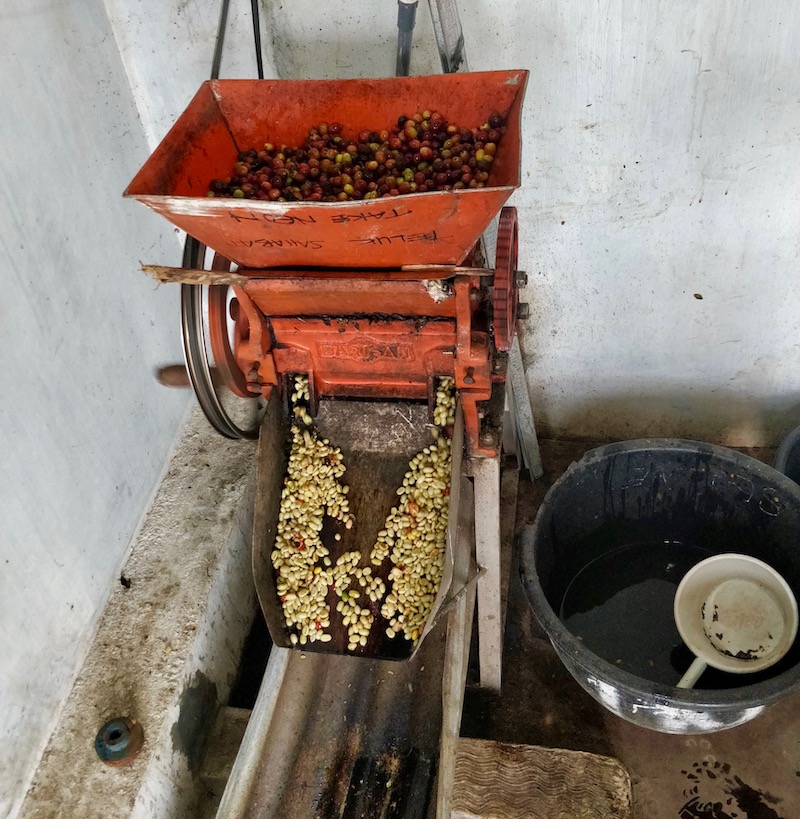
Indonesia's unique geographical environment determines the particularity of its coffee processing methods. Because it is humid and rainy all year round, traditional sun-drying or washing cannot meet the need for rapid drying, so the local “wet-hulling” method is widely used. The specific process is: after picking, the coffee cherries are first washed and fermented; after the mucilage layer is removed, the pulp and parchment are immediately stripped off with a depulper, when the beans have a moisture content of about 30%–40%. They are then sun-dried or machine-dried to reduce the moisture to about 13%. This method not only greatly shortens processing time and reduces storage risk, but also gives the beans a stronger body and a distinctive regional flavor.
Mandheling's flavor profile is distinctive: rich and full on entry, with pronounced herbal and woody aromas, accompanied by moderate dark chocolate and caramel sweetness; the overall bitterness is noticeable but layered. The roasted beans are large and often have a distinctive oily sheen on the surface; they are suitable both for pour-over to savor in detail and as an important component in espresso blends to enhance body. Whether drunk alone daily or used to make blended coffee, Mandheling shows its irreplaceable charm.
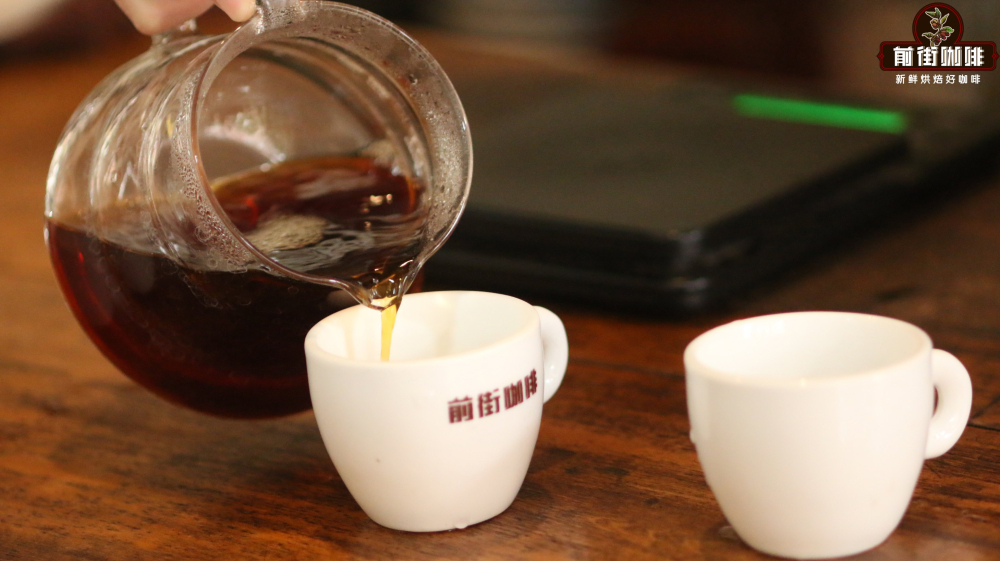
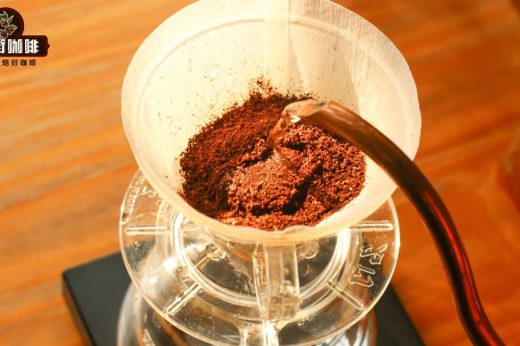
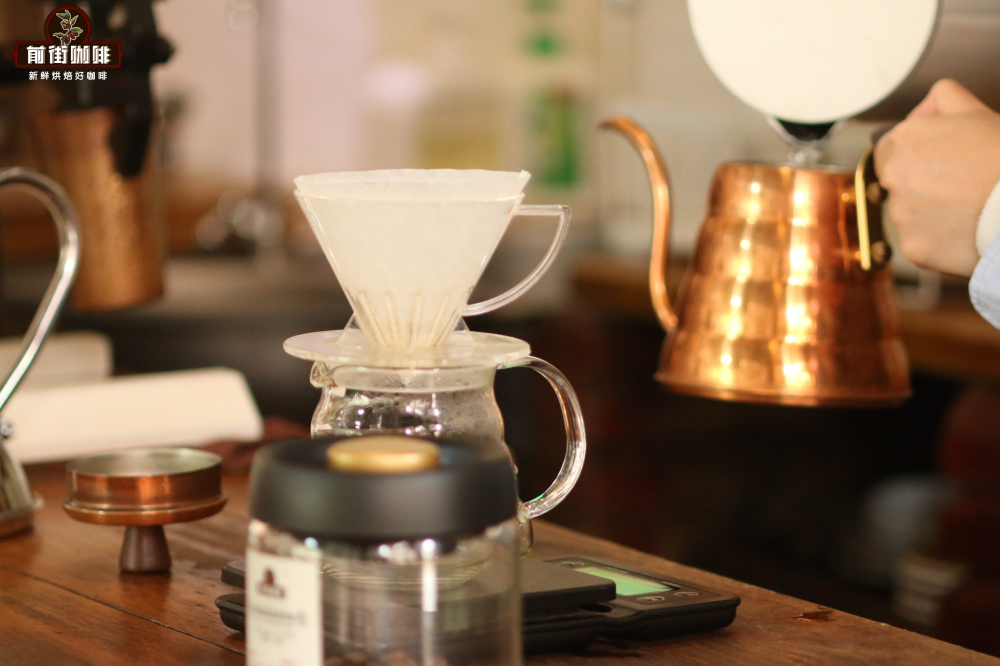
To fully experience Mandheling's flavor, freshness is crucial. It is recommended to choose coffee beans shipped within 5 days of roasting and to drink them as soon as possible after receiving them. For brewing, since Mandheling itself is low in acidity, it is unlikely to develop unpleasant astringency even after long holding or when made as iced coffee, so it is better suited to hot drinks. A KONO dripper is recommended, with 15 g of coffee, a water-to-coffee ratio of 1:15, a grind of 70% passing a Chinese standard No. 20 sieve (about medium-coarse), and a water temperature of 88°C. Specifically: first bloom with 30 g of water for 30 seconds, then pour slowly in a small stream to 125 g in stages, then gradually increase the flow and pour slowly to 225 g, for a total extraction time of about 2 minutes. These parameters fully highlight Mandheling's rich base and hidden sweetness, bringing a balanced, layered drinking experience.