TOH Coffee Competition Explained: The Flavor Secrets Behind Hualukui's Win

Introduction: Ethiopia, the birthplace of coffee, is known worldwide for the distinctive fruity character of its natural-process beans, and 'Hualukui' is a benchmark among them. This article takes an in-depth look at the TOH competition that made this coffee famous—the authoritative green coffee event organized by the African Fine Coffees Association—explaining its format and grading, its flavor judging standards, and tracing Hualukui's path from a local champion to international acclaim, to help you understand the selection logic behind top-tier coffee.

Ethiopia is not only Africa's largest coffee producer but also widely recognized as the original home of coffee. Thanks to high altitudes, volcanic soils and abundant rainfall, the coffee produced here generally carries distinct floral and citrus notes and is much loved by coffee enthusiasts. When it comes to classic examples of Ethiopian natural-process coffee, 'Hualukui' is a name that cannot be avoided—this natural-process bean from the Buku Abel washing station in the Guji Hambella producing region has become a benchmark in the minds of many roasters and consumers for its full tropical fruit flavors and rich, sweet finish.

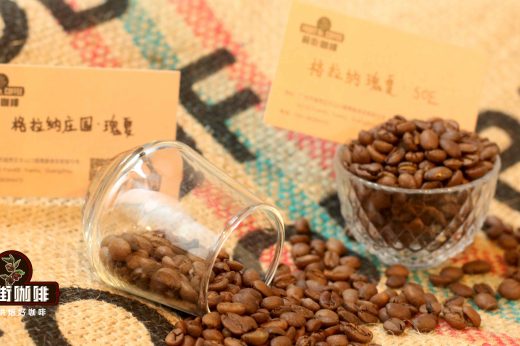
'Hualukui's' official name is Ethiopia Guji Hambella Buku Abel, and its rise to fame began in 2017. That year, this lot of natural-process beans, submitted by Ethiopian company DW Coffee, entered the TOH green coffee competition and won the natural-process category with intense berry aromas and a silky, creamy texture. Since then, 'Hualukui' has gradually become synonymous with high-quality Ethiopian natural beans, and subsequent lots (such as the commonly seen 'Hualukui 8.0' on the market) continue to deliver bright fruit acidity, rich layers and lasting sweetness; when brewed they often present tropical fruit flavors such as dried mango and jackfruit, with a round mouthfeel and a long finish.
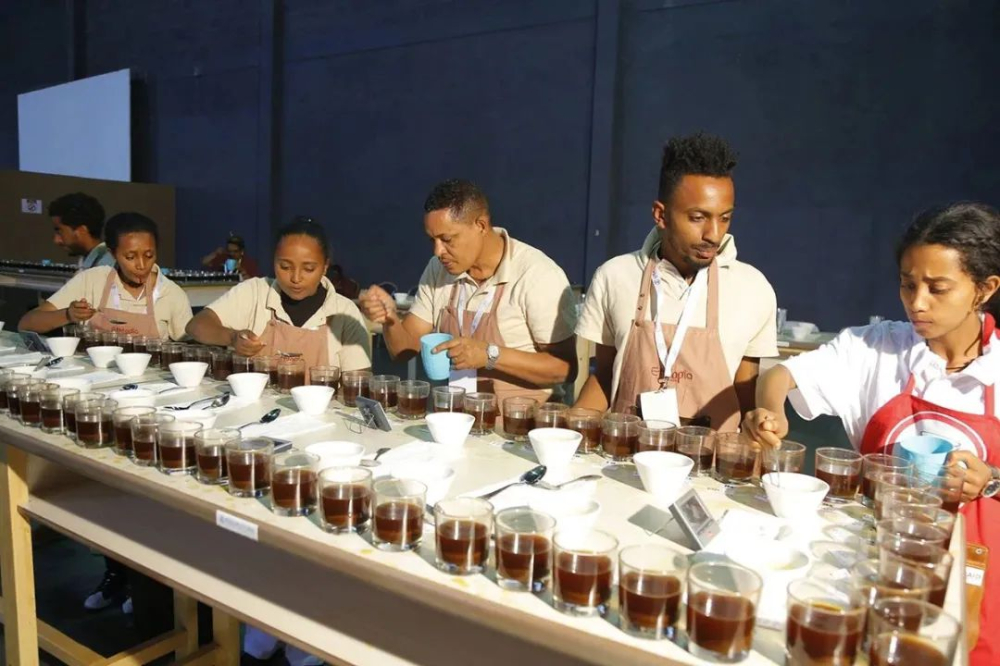
The TOH competition that built 'Hualukui's' reputation—Taste of Harvest—is an authoritative event organized by the African Fine Coffees Association (AFCA). Similar to the well-known COE (Cup of Excellence) competition, TOH also focuses on discovering high-quality green coffee, but it is more dedicated to uncovering the potential of African coffee. Founded in July 2000, AFCA is a membership-based non-profit organization whose members include coffee producers, traders, government agencies and industry support organizations; it currently has 11 member countries, including major coffee-producing nations such as Burundi, Ethiopia, Kenya and Rwanda.

Every year at the beginning of the year, AFCA launches the TOH competition within its member countries. The event is divided into two levels: the national competition (NATIONAL) and the African regional final (REGIONAL). Given that some African countries grow both arabica and robusta, the competition sets separate tracks for different species—the arabica category is further divided into three groups: washed process, natural process and honey process, while the robusta category is judged independently. This refined classification ensures that coffees of different processing methods are judged under fair standards; for example, the natural-process group that 'Hualukui' entered that year is one of the most closely watched categories in the arabica section.

Winners at the national stage qualify to represent their countries at the African regional final, held at the African Fine Coffee Conference and Exhibition (hosted in turn by member countries). The entire judging process strictly follows the Specialty Coffee Association (SCA) scoring system: judges go through a standardized cupping procedure, scoring dimensions such as aroma, flavor, aftertaste, acidity, body, balance and overall performance; finally, a panel of certified professional judges selects the top 5 from each of the three processing-method groups in the arabica category, as well as the top 5 in the robusta category.

The core goal of AFCA in holding the TOH competition is to promote high-quality coffee resources from across Africa to the world. The winning beans of each edition are not only showcased prominently at the African Fine Coffee Conference and Exhibition but also reach international buyers through channels such as international trade fairs, helping African coffee-producing countries enhance their international competitiveness. Earlier this year, AFCA, in cooperation with the Ethiopian Coffee and Tea Authority, successfully held the 2024 TOH competition in Addis Ababa, the capital of Ethiopia; the event once again became an important window for coffee professionals worldwide to follow the quality upgrade of African coffee.