Ethiopia Guji Uraga Washed Coffee Review: TOH Champion Flavor and Pour-Over Guide
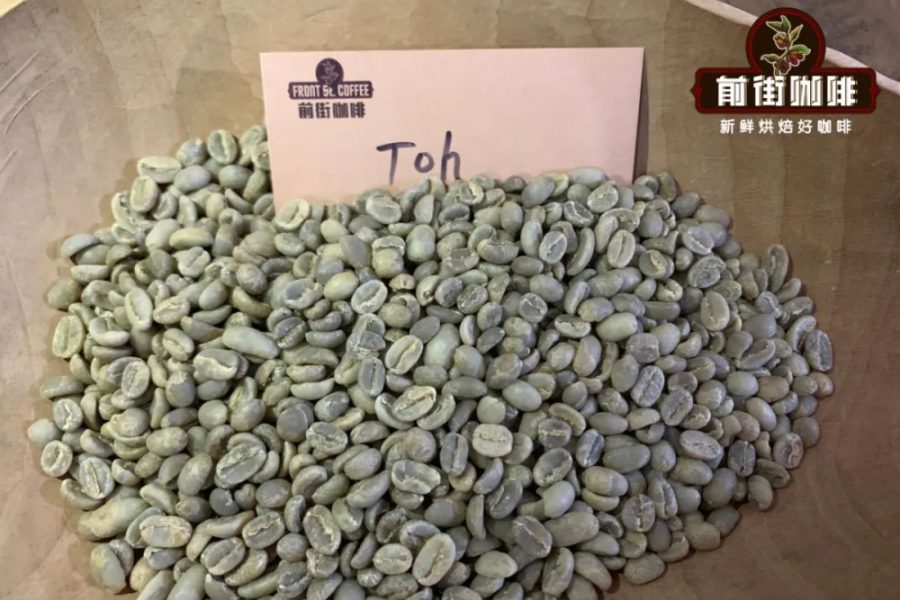
Introduction: This TOH washed-group champion bean, from the Uraga sub-region of Ethiopia's Guji zone, took top honors at the 2020 East Africa Taste of Harvest competition with a score of 89.8. This article takes a close look at its distinctive growing environment and meticulous washed processing, and provides a professional roast profile and pour-over recipe, so you can experience the citrus, floral and tea-like flavors nurtured at 2,300 meters above sea level.

Specialty coffee lovers in East Africa are familiar with the TOH award, but many still don't know what the acronym actually stands for. TOH is short for "East Africa Taste of Harvest Competition," organized by the African Fine Coffees Association (AFCA) and covering 12 major coffee-producing countries in Africa. Alongside South America's COE (Cup of Excellence), it is one of the most authoritative green coffee competitions on the continent. In 2020, the Uraga washed coffee from Ethiopia's Guji zone took the washed-group crown with an excellent score of 89.8.

The Uraga producing area is located in the Guji region of southern Ethiopia. It was originally part of the Sidama producing area and later became its own zone thanks to its distinctive flavor characteristics. Like neighboring Yirgacheffe, Guji is known for its pronounced high acidity and floral-fruity profile; the well-known "Hambela" series comes from the Hambela sub-region of this area. The town of Uraga sits at 2,300 meters above sea level, closer to Yirgacheffe's high-altitude 2,200-meter zone. Fertile black soil (Vertisol) combined with high altitude gives the beans their rich layers of flavor.

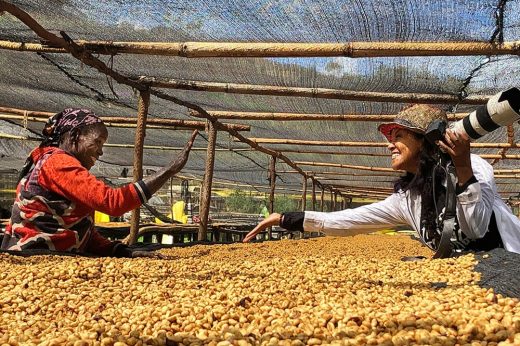
This champion lot was carefully processed at the Sela Gajaba washing station, 12 kilometers outside the town of Uraga. The station is one of the area's most technically advanced facilities, and its fully indoor processing flow effectively reduces the risk of contamination. The process strictly follows these steps: first, fully ripe, flawless cherries are selected, then the skin and pulp are removed; the mucilage-covered beans are fermented in water for 18-36 hours, after which the pectin is washed off in running clean water; finally, moisture content is brought to around 12% for drying and the parchment is removed. This traditional washed process preserves the floral and citrus base notes characteristic of Ethiopian coffee while enhancing overall cleanliness.

When working with this champion bean, professional roasters focus on two key elements: maintaining the clean mouthfeel that is the hallmark of washed beans, while highlighting the bright flavors of white flowers and tropical fruit. By precisely adjusting the length of the dehydration phase (about 30% of total roast time) and the first-crack development period (about 60 seconds), a balanced roast curve is achieved. The recommended roast level is medium-light (Agtron around 65-70), which brings out the vibrancy of the acidity without making it too aggressive.

The choice of brewing parameters directly affects how the flavors present. Testing shows this coffee performs best at a 1:16 coffee-to-water ratio (for example, 15 grams of coffee to 240 milliliters of water), which effectively brings out the layers of floral and fruit aromatics. A water temperature of 91±1°C is recommended—this range draws out the typical citrus notes of Ethiopian coffee while avoiding the astringency caused by over-extraction. For grind size, aim for 70% passing a No. 20 sieve (equivalent to medium-coarse on the Chinese standard); too fine a grind produces an unpleasant tea-like astringency in the finish.

A three-pour method is recommended: first, pour 30 grams of water for a 30-second bloom (note that too long a bloom easily brings out astringency); then pour 120 grams of water in circles from the center outward, taking about 1 minute; finally, when the coffee bed is about to be exposed, pour the remaining 90 grams of water. Keep total brew time within 2 minutes 05 seconds ±5 seconds. This brewing method clearly presents a progressive flavor layering of jasmine → citrus juice → honey yuzu tea sweetness → oolong tea finish.

Professional cupping results show that the flavor profile of this Uraga washed coffee includes: fresh citrus and jasmine in the dry aroma; bright lemon acidity and red berry notes on the palate; honey sweetness and yuzu-like fruit flavors in the mid-palate; and a lingering green-tea-like refreshing finish. Particularly noteworthy are its clean flavor base and medium body, which make it suitable both for drinking on its own and as a high-quality component in blends.

For pour-over enthusiasts seeking layered flavors, we suggest fine-tuning the parameters to personal taste: for stronger acidity, try 92-93°C water and a shorter brew time; for a sweeter, rounder cup, drop to 90°C water and extend the development time. When storing, keep the beans away from light and moisture; the peak flavor window is 7-21 days after roasting. By precisely controlling these variables, every coffee lover can fully uncover the unique charm of this TOH champion bean.