Heirloom vs. 74158: Ethiopian Coffee Variety Traits and Flavor
Introduction: Ethiopia, the birthplace of coffee, has a complex and diverse coffee variety system, from the traditional Heirloom to disease-resistant, high-yield numbered varieties such as 74158, and on to local specialty varieties, each of which influences the final flavor. This article takes an in-depth look at the origins, growing characteristics, and flavor differences of these varieties to help coffee lovers choose beans that suit their own taste more precisely.
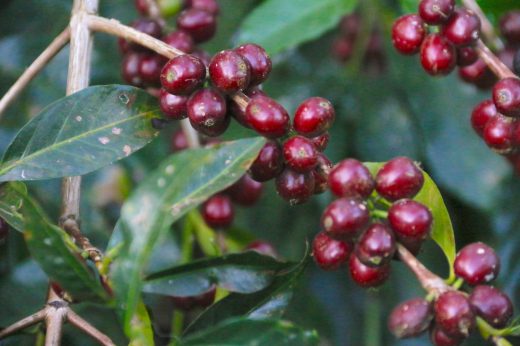
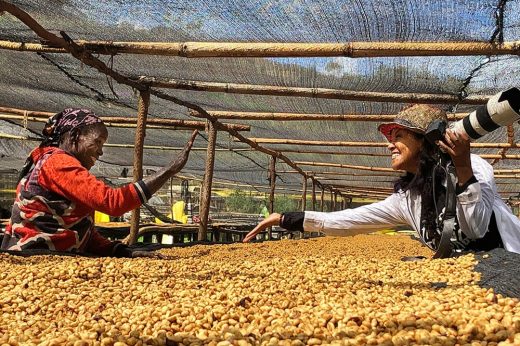
Coffee cultivation in Ethiopia falls mainly into three types. Wild forest coffee is the most primitive form; these coffee trees grow in the primeval forests of the southwest, mostly as natural mixed plantings, with **lower reproductive capacity and yields**. This type of coffee is usually picked by hand by local farmers and processed by washing or natural drying. In washed processing, for example, precise control of fermentation time and temperature better preserves the coffee's floral aromas and fruity acidity.
The second common type is garden cultivation, with coffee trees planted near farm households, usually in the hundreds. This model relies on farming experience passed down through generations; the trees may come from seeds given by neighbors, leftover seeds, or introduced from other areas. The third is large, well-managed coffee farms, which not only have extensive planting areas but also keep detailed records of coffee varieties and use standardized cultivation techniques; Gesha Village Estate is a typical example.
Ethiopian coffee sold on the market is often labeled "Heirloom," which is not a single variety but the result of cooperatives blending beans harvested at the same time from many smallholders. Because the mixed varieties are diverse, these beans differ noticeably in size and shape—some rounder, some longer. Such "blended lots" bring rich layers of flavor but also add uncertainty to quality.
In the 1970s, coffee berry disease (CBD) broke out in several Ethiopian regions; infected coffee cherries gradually turn from green to grayish black and necrotize, in severe cases causing yield losses of about 80%. To address this crisis, growers tried chemical fungicides in 1972, but with limited effect. In 1973, the Ethiopian agricultural research institute JARC launched a dedicated program, collecting 639 seed samples from 19 sites in the southwest; after scientific identification and field trials, 13 varieties were finally selected that combine CBD resistance, drought tolerance, high yield, and good flavor.
These varieties later gave rise to numbered varieties beginning with 74 and 75, such as 74158, 74112, and 74110. The "74" in the number indicates that the variety was cataloged in 1974, and the last three digits are the trial sample number. These varieties are called "1974/1975 CBD-resistant selections." For example, some coffee beans from the Sidama region use the 74158 variety; through 96-hour anaerobic natural processing, they can present tropical fruit flavors such as citrus, pineapple, and guava, with a red wine finish.
Besides numbered varieties, some Ethiopian coffees are also labeled with English names such as Kurume and Wolishao; these are "landraces." They are coffee trees cultivated over the long term in specific regions and adapted to the local environment; after years of selection by farmers, their traits are relatively stable, and they both resist disease and retain unique flavors. In recent years, JARC has systematically named and promoted these regional landraces, helping coffee farmers choose high-quality varieties better suited to local cultivation.
It is worth noting that Heirloom coffee beans, because they mix many varieties, differ greatly in bean shape, so roasting heat must be adjusted according to actual size to avoid scorching or under-roasting in places. Numbered varieties such as 74158, with a clear genetic background, perform more consistently in flavor and suit coffee lovers seeking a specific flavor. Landraces combine adaptability and distinctiveness and are an excellent choice for exploring Ethiopia's coffee diversity.