Ethiopian Coffee G1 vs G2 Grading Explained: Choosing Yirgacheffe Green Beans
Introduction: As the birthplace of coffee, Ethiopia has a unique and complex green bean grading system. This article takes an in-depth look at the country's grading system, which combines defect rates with cupping scores, highlights the key differences between G1 and G2, uses Yirgacheffe examples to explain how bean uniformity and defect counts affect flavor, and provides professional cupping parameter references to help coffee lovers choose high-quality green beans with precision.
Coffee bean grading standards vary by origin. Some are based on bean size (such as Kenya AA), others on altitude (such as Jamaica Blue Mountain No.1), while Ethiopia uses a combination of the collective native-variety designation and defect rate. As a treasure trove of Arabica genetics, the country commonly has wild mixed plantings, which leads to uneven bean sizes; therefore, the official grades are determined with defect rate as the core indicator.
Traditionally, Ethiopian coffee grading was carried out by the CLU department of the Ministry of Agriculture (before 2009). At that time, only washed beans could receive a G1/G2 rating—G1 required no more than 3 defects per 300 grams, and G2 allowed 4–12—and such specialty beans were extremely scarce. Natural (dry) processing, because of its rough methods (ground drying commonly mixed in impurities), was long classified as G3 or below.

In 2009, the Ethiopia Commodity Exchange (ECX) introduced a new system that incorporated dual verification by cupping score and defect rate. Under the new rules, natural beans had the chance to reach G1/G2 for the first time. The current grading includes three major categories: Specialty, Commercial, and Domestic.
The specific process is: first classify by washed/natural → then divide into G1–G9 grades through physical inspection and basic cupping → then subject G1–G3 samples to additional SCAA-standard cupping, where 85 points or above is designated Q1 specialty, 80–85 is Q2, and below 80 is downgraded. Ultimately Q1/Q2 are exported as specialty beans, and the rest are classified as commercial grade.

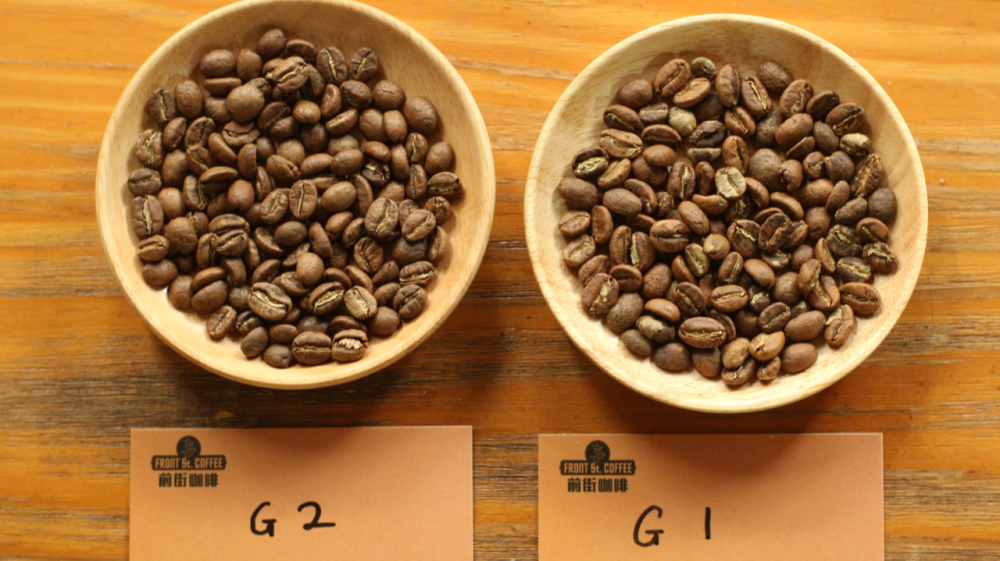

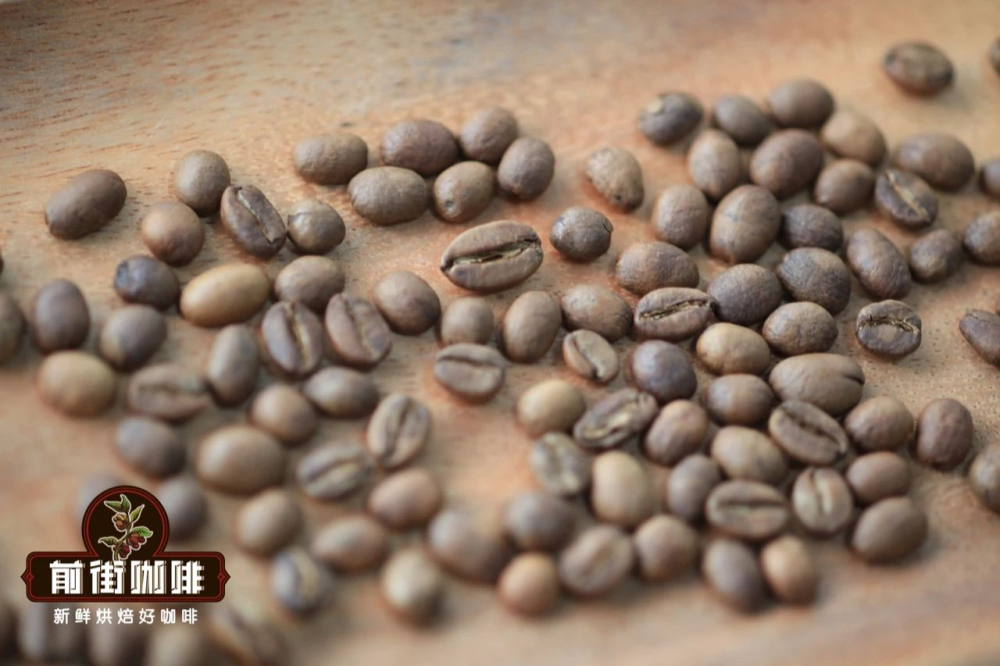

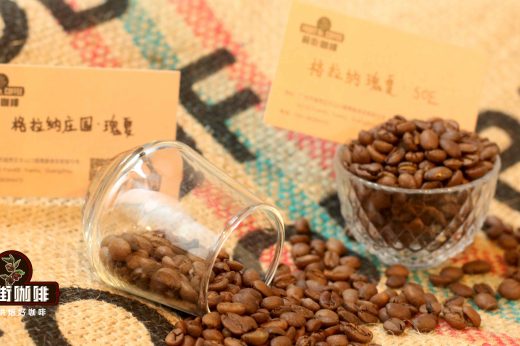
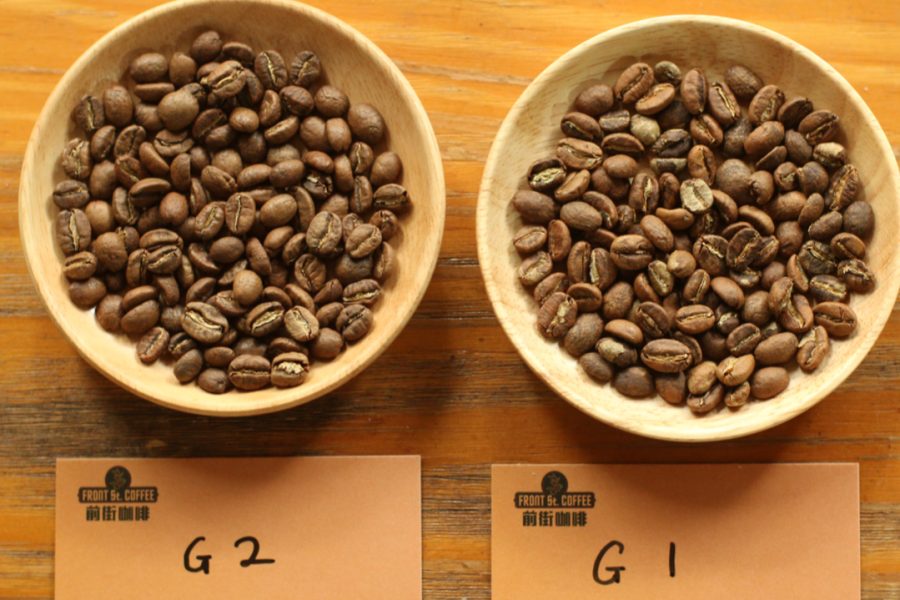
Taking the Yirgacheffe region as an example, the difference between G1 and G2 washed green beans is visible to the naked eye: G1 beans are plump and uniform, consistent in color, with an extremely low defect rate; G2 beans vary in size, with more broken beans and off-color beans. In actual brewing tests (recommended parameters: V60 dripper / 91°C water temperature / 1:15 coffee-to-water ratio / 80-mesh grind), G1 shows brighter citrus notes—such as a jasmine aroma top note, a citric acid main thread, and a black-tea-like mellow finish—with outstanding cleanliness; G2 retains the floral base but its flavor layers are somewhat less impressive.
Note that Ethiopian native-variety beans naturally have variable shapes, so there is no need to pursue absolute uniformity when buying. However, for professional-grade pour-over or competition-level roasting, give priority to G1 lots with fewer than 3 defects per 300 g, whose flavor stability and sweetness are usually better.