Ethiopia Hualui vs. Geisha: Flavor Differences and Pour-Over Guide
Introduction: Ethiopia Hualui and Geisha are both world-renowned high-quality coffee beans, often mistaken for the same variety. In fact, the two have clear differences in origin, processing method, and flavor characteristics. This article provides an in-depth analysis of the flavor differences between the Hualui series (such as Hualui 8.0) and Geisha, introduces their cultivation background, processing techniques, and annual version naming rules, and offers professional pour-over suggestions to help you precisely experience the unique charm of each bean.
As the birthplace of coffee, Ethiopia has produced many world-renowned specialty coffee beans. Among them, Hualui and Geisha, with their unique and enchanting floral and fruity aromas, have become sought-after by coffee lovers. However, many beginners often confuse the two, even mistakenly believing that Hualui is a branch of Geisha or a higher-grade Geisha. In fact, Hualui and Geisha differ not only in variety but also in origin and processing methods.
Take Hualui as an example. Its formal name is “Ethiopia Guji Hambella Buku Abel,” produced in the Hambella area of Guji, Ethiopia, and sun-dried at the Buku Abel processing station. This coffee first won the sun-dried group championship at the 2017 TOH (Taste of Harvest) green coffee competition organized by the African Fine Coffees Association, with its outstanding berry and cream aromas, and was subsequently introduced to the Chinese market and named “Hualui.” Its name means “leader of a hundred flowers,” and with its bright fruit acidity and rich tropical fruit profile, it quickly gained market favor.

When many people first encounter specialty coffee, they easily confuse Hualui with Geisha; some rumors even claim that “Hualui is a top-grade Geisha.” But in fact, Geisha is an independent coffee variety that originated in Gesha Village, Ethiopia, and was later brought to prominence through Panama, known for its unique jasmine, tea-like, and citrus notes. Hualui, on the other hand, is a sun-dried heirloom coffee bean whose main notes are tropical fruit and berry aromas; the flavor directions of the two are significantly different.
The naming method “Hualui X.0” also often confuses consumers. In fact, before winning the championship in 2017, this bean was simply called “Hambella,” a regular sun-dried lot from the Hambella area. After winning, to distinguish the flavor changes of different lots each year, domestic green coffee traders, starting from 2017 as the baseline, labeled each subsequent harvest season’s beans “Hualui X.0,” such as Hualui 2.0 for 2018, Hualui 3.0 and 3.1 for 2019, up to the latest Hualui 8.0. This naming not only helps consumers identify the production year of the beans but also roughly judge the trend of their flavor characteristics.

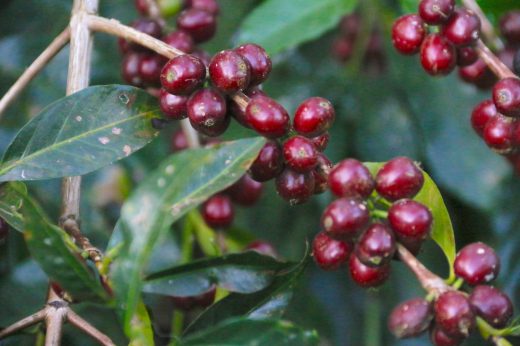
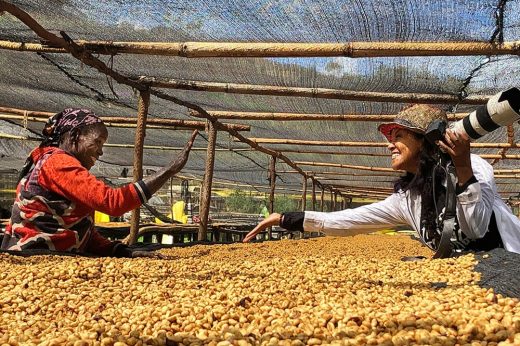
The Hualui bean production area is located in the Sidamo Guji region at an altitude of 2,250–2,350 meters. The cool climate and large day-night temperature difference provide an ideal environment for coffee cherries to mature. Local farmers carefully select fully red coffee cherries with a sugar content of 30 or above and process them using the traditional sun-drying method. The specific process includes placing the coffee fruit on African raised beds, moderately shading them during the strong midday sun to prevent over-fermentation; at night, covering them with plastic sheets to protect against rain while continuously turning the fruit every day to ensure even drying. The entire sun-drying process takes about 18 days, ultimately reducing the green bean moisture content to around 13%, thereby preserving rich fruity aromas and a full-bodied mouthfeel.
In recent years, with growing market demand, several small villages around the original processing station, such as Buku Saysay and Haro Soresa, have also joined the production of Hualui beans, further enriching the series’ output and subtle flavor differences. But because of this, the flavor performance of Hualui varies slightly each year, which is exactly the meaning of the “X.0” version naming—helping consumers identify the unique character of a specific year.

So how does Hualui 8.0 actually taste? According to the latest cupping feedback, this sun-dried bean from the 2024 harvest season shows full tropical fruit aromas at the dry fragrance stage, such as guava, jackfruit, apricot, and citrus, accompanied by delicate pink floral notes. After hot water is poured, the sweetness further increases, with honey, berry, and chocolate aromas interwoven. On the palate, the sweet-tart layers of dried mango, jackfruit, orange, and passion fruit are distinct, with a juicy mouthfeel; as the temperature drops slightly, the bright acidity of white peach and berries is gradually released, and the finish has a gentle sweetness reminiscent of black tea, with an overall balanced and layered performance.
Geisha, meanwhile, takes a different flavor path. Take Geisha from Panama’s Hacienda La Esmeralda as an example; it is usually washed or sun-dried, emphasizing the fresh tea-like sensation and floral aromas brought by high altitude. Common flavor descriptions include jasmine, lavender, lemongrass, peach, and honey, with bright but not sharp acidity, soft sweetness, and a long finish. Compared with Hualui’s rich fruity aroma, Geisha is more elegant and delicate, suitable for coffee lovers who prefer a fresh flavor profile.

For pour-over enthusiasts, the medium-light roast character of Hualui 8.0 makes it very suitable for highlighting floral and fruity notes. A V60 dripper is recommended, with water temperature controlled at 91–92°C, a coffee-to-water ratio of 1:15, and a grind size about that of fine granulated sugar (80% passing through a No. 20 sieve). The specific brewing steps are as follows: first pour 30 g of water for a 30-second bloom to awaken the coffee grounds; then, with a steady stream, pour 95 g of water to raise the coffee bed and extract evenly; in the final stage, pour 100 g of water, controlling the stream to avoid excessive spreading of the coffee bed, for a total water amount of 225 g and a brew time of about 2 minutes. These parameters help balance Hualui’s acidity and body, fully showcasing its tropical fruit and berry flavors.
In short, although Hualui and Geisha are both high-quality Ethiopian coffee beans, they each have distinctive characteristics in variety, processing method, and flavor performance. Understanding their differences not only helps you more accurately choose the coffee beans you like but also allows you to better uncover each bean’s unique potential during brewing. Whether you seek the sensory experience of rich fruity aromas or prefer a fresh, elegant tea-like flavor, these two beans can add infinite possibilities to your coffee exploration journey.