Huakui vs. Geisha Coffee Beans: Varieties, Flavors, and Pour-Over Guide
Introduction: Huakui and Geisha are often confused, but they are actually entirely different coffee varieties. This article explains the origins, varietal differences, and typical flavor characteristics of both, and provides professional pour-over recommendations and extraction parameters to help coffee enthusiasts more accurately choose and brew these two highly regarded specialty coffee beans.
In the specialty coffee world, Huakui and Geisha are often discussed together, and some even mistakenly believe they are the same coffee. This misunderstanding partly stems from confusion over the names—Geisha (or Gesha) is both the English name for Geisha and sounds similar to the Japanese word for "geisha" (the Japanese meaning of Huakui). But in fact, Huakui and Geisha are not only different coffee varieties; their origins, flavor profiles, and growing backgrounds each have their own characteristics.

First, in terms of variety, Huakui coffee uses local Ethiopian heirloom varieties. These coffee tree species have not undergone modern breeding improvement; they are numerous and not yet fully classified. Because the Ethiopian government, for protection purposes, has not fully disclosed related information, such coffees are usually collectively called "local heirloom varieties." Geisha (Geisha/Gesha), by contrast, is a specific coffee variety, first discovered in the Geisha forest of Ethiopia in the 1930s and later introduced to Kenya, Uganda, and Tanzania, and even traveled as far as Costa Rica and Panama, becoming one of the important varieties in global specialty coffee.

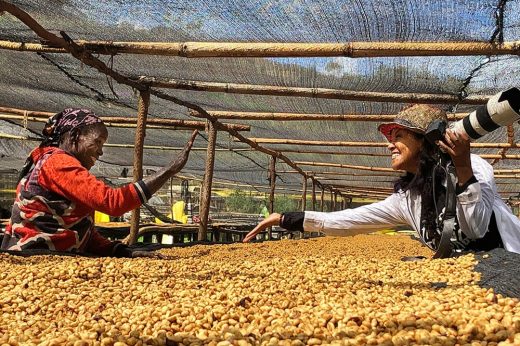
Huakui coffee beans are mainly produced in the Hambela sub-region of the Sidama region in Ethiopia—more specifically, they are natural-process coffee beans produced by the Buku Abel processing station. The high altitude and unique microclimate of this area give Huakui a complex and layered flavor expression. In contrast, although Geisha originated in Ethiopia, it truly became world-famous in Panama, especially the Geisha from Hacienda La Esmeralda, whose outstanding cupping performance and auction prices established its position in the specialty coffee world.

So why was this natural-process coffee bean from Ethiopia named "Huakui"? There is an interesting story behind it. In 2017, a natural-process coffee bean from the Buku Abel processing station submitted by the Ethiopian green coffee company DW won the natural category championship at the TOH (Taste of Harvest) green coffee competition. Because of its full berry and creamy flavors, this coffee bean was noticed by a Chinese importer and introduced to the market. At the time, Geisha beans were dominating Chinese coffee competitions, and this newly crowned champion bean was highly anticipated for its excellent potential, so it was given a name with a very Oriental charm—"Huakui," meaning chief of a hundred flowers. It is worth mentioning that in the same year's China regional coffee brewing competition, a competitor used this batch of Huakui coffee beans to achieve second place, further increasing its fame.

Regarding the naming rules for the "Huakui" series, different batches released in subsequent years were named Huakui 2.0 and Huakui 3.0, up to Huakui 5.0 in 2021 and Huakui 6.0 in 2022, making it easier for consumers to identify the vintage and flavor evolution of the coffee beans. In addition, there is a category called "Little Bean Huakui," which is distinguished separately because its beans are smaller but its aroma is prominent; it is often considered the main source of aroma in that year's champion batch.

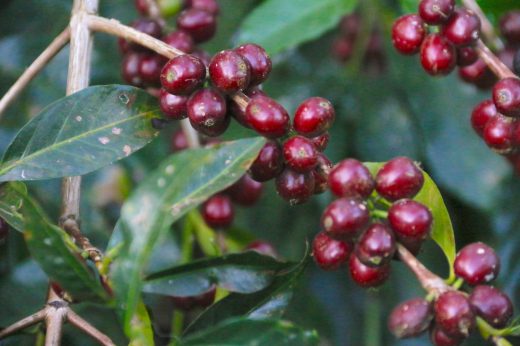
In terms of flavor characteristics, Huakui coffee is widely popular for its distinct berry and creamy notes. These flavors are inseparable from its growing environment: sugarcane and bananas are grown around the Buku Abel farm, and the high-altitude day-night temperature difference and abundant sunshine allow Huakui coffee to display rich fruit acidity, sweetness, and a unique fermented wine aroma after natural processing. It should be noted that Huakui's flavor fluctuates from year to year, which is a normal phenomenon caused by changes in natural conditions such as climate and rainfall. Little Bean Huakui is often closer to the strawberry-cream flavor of the original champion bean, while later releases such as Huakui 5.0 present more of the berry, floral, and tea notes characteristic of the Guji region.

By contrast, Geisha coffee's global fame is inseparable from the fact that in 2004, Geisha from Panama's Hacienda La Esmeralda won the BOP (Best of Panama) competition and set a new auction record. Since then, Geisha coffee has become the "king of specialty coffee" in the minds of many coffee enthusiasts and professionals, with its elegant citrus notes, jasmine aroma, and honey-like sweetness. Hacienda La Esmeralda's Red Label, Green Label, and Volcancito series have further spread the diversity of Geisha flavors. Compared with Huakui's rich and bold character, Geisha's flavor is usually fresher and more refined, with obvious high-mountain tea notes and delicate acidity.

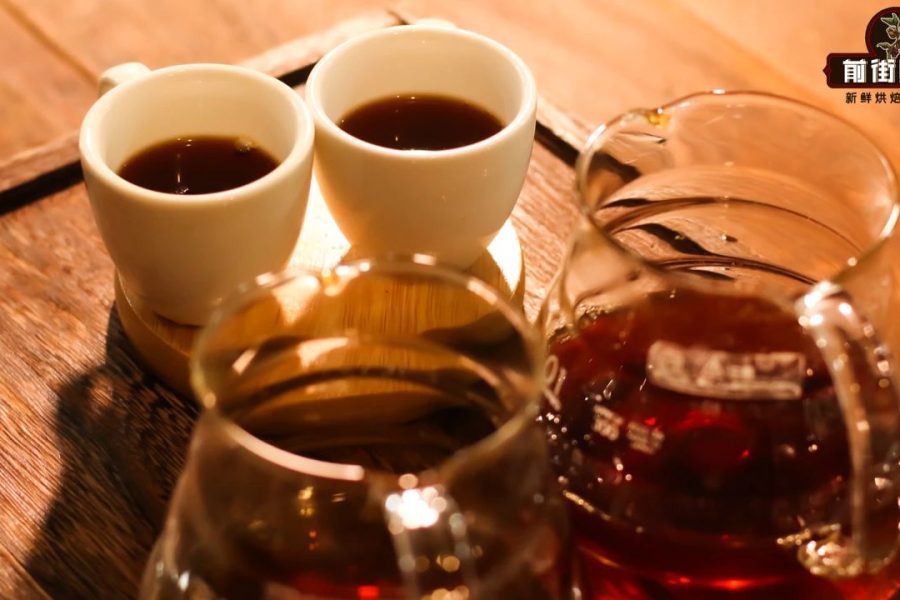
Whether Huakui or Geisha, to fully bring out their charming acidity and aroma, medium-light roasting is a common approach. For brewing, it is recommended to use a Hario V60 dripper with a water temperature of 91°C, a coffee-to-water ratio of 1:15, and a grind size with 80% passing a Chinese standard No. 20 sieve (roughly equivalent to fine sugar granules). In practice, first pour 30 grams of hot water for a 30-second bloom to release carbon dioxide and awaken the coffee's flavors; then pour slowly in circles toward the center, pausing at 125 grams, and when the water level is about to expose the coffee bed, continue pouring to 225 grams. The entire extraction process takes about 2 minutes.

It should be noted that it is normal for the coffee grounds not to expand obviously during the bloom stage; this is determined by roast freshness and bean characteristics. In addition, to ensure the best flavor, it is recommended to buy whole coffee beans rather than pre-ground coffee powder, because once coffee is ground, flavor compounds volatilize quickly, greatly shortening the best tasting period. Usually, coffee beans are shipped within 5 days after roasting, and consumers are advised to let them rest for another 4–7 days after receiving them to allow the flavors to stabilize before brewing for a better experience.

In summary, Huakui and Geisha not only have similar names; they each represent the diversity of Ethiopian coffee and the evolution of global specialty coffee. Understanding their varietal backgrounds, flavor characteristics, and brewing methods can not only help you better choose the coffee beans you like, but also let you experience the unique charm brought by different terroirs and processing methods in every brew.