Ethiopia Hunkute vs Panama Geisha: Top Coffee Beans Compared
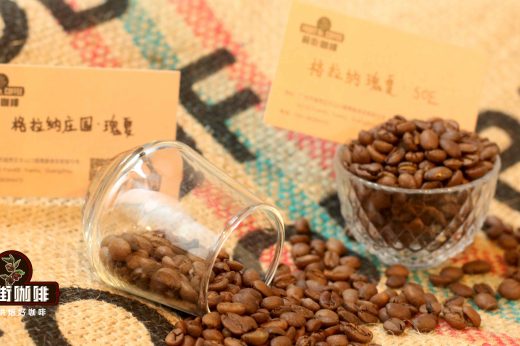
Introduction: Have you ever heard the rumor that Huakui is a top-grade Guixia? This article takes an in-depth look at the true identity of Ethiopian Huakui coffee and Panamanian Guixia, revealing the differences in their flavors and the standards by which they are graded. From Hacienda La Esmeralda Red Label to Huakui 8.0, we take you through the stories, aroma characteristics and brewing references behind these popular single origins, helping you better understand specialty coffee. (On the left is Sidamo Huakui coffee, on the right is Panama Guixia coffee) Many people once mistakenly believed that Huakui was top-grade Guixia, and this claim spread widely online, especially when Huakui rose to fame. In reality, although Huakui and Guixia are both stars of the specialty coffee world, they come from different regions and different varieties, and their flavor profiles each have their own strengths. Understanding their true identities and characteristics can help you better taste and choose.

"Yiji": the former Chinese name of Guixia Guixia (Geisha) was first discovered in the forests of Ethiopia in 1931, but remained obscure for many years. It was not until 2004, when Panama's Hacienda La Esmeralda won the BOP competition with this variety, that Guixia began to attract global attention and gradually became a perennial winner in specialty coffee competitions. Because Geisha is spelled the same as the Japanese word for "geisha," Taiwan initially transliterated it directly as "Yiji." Later, however, it was discovered that in Ethiopia, Geisha refers both to a specific producing region and to the coffee variety of that region. Therefore, when it was first introduced to mainland China in 2006, the variety was officially named "Guixia" to stay closer to the original meaning and avoid confusion.

What are the representative top-grade Guixia coffees? In specialty coffee circles, when Guixia is mentioned, many people first think of Hacienda La Esmeralda's Red Label Guixia and Guixia Village Estate's Gold Label Guixia. Because of their relatively high green bean costs, these two coffees are also positioned and priced relatively higher in the market — for example, Red Label is priced at 75 yuan per cup and Gold Label at 60 yuan — drawing considerable attention from coffee enthusiasts. In the Chinese context, Guixia with a "label" (such as Red Label, Gold Label, Green Label and Blue Label) usually represents the higher-grade Guixia beans from that estate. Although these grading names are exclusive to Chinese and the original English names do not reflect grade differences, consumers generally believe that labeled beans are of better quality and may also be more expensive. Hacienda La Esmeralda Red Label: Esmeralda Special The Red Label Guixia of Hacienda La Esmeralda is called "Esmeralda Special" in English and is often referred to in Chinese as "Esmeralda Special Selection." This is the estate's highest-quality Guixia, requiring not only a cupping score of 91 points or above, but each lot also comes with detailed origin and processing information. The "red" in Red Label comes from the background color of its trademark; the estate's Green Label and Blue Label follow similar naming logic, making it easier for consumers to remember and identify. Guixia Village Estate Gold Label: Rarities The Gold Label of Guixia Village Estate is called "Rarities" in English, meaning "rare treasures," and represents the highest-grade Guixia beans among the non-auction lots released by the estate. According to official information, Gold Label accounts for only 10% of the estate's total production, and each lot provides plot information so consumers can understand the source of the flavor. The "gold" in Gold Label likewise comes from the background color of its trademark. It should be noted that although Chinese names such as Red Label, Green Label and Gold Label make it easy to distinguish grades, different estates may use the same colors — for example, both may have a Red Label and a Green Label. When ordering or purchasing, it is advisable to confirm the specific estate of origin with the barista to avoid confusion.

Huakui: from TOH champion to popular single origin In 2017, the Buku Abel processing station in Hambela, a sub-region of Guji in Ethiopia, won the TOH championship with a naturally processed heirloom coffee. This coffee had an intense strawberry profile, prominent sweetness and a creamy, smooth mouthfeel — it was the coffee that later became the widely popular Huakui. After winning the championship, this lot of green beans was introduced to the Chinese market, and in that same year's World Brewers Cup, it was used by Li Jianfei, the runner-up of the China competition, who achieved a runner-up result. With its outstanding flavor performance and high value for money, Huakui quickly became popular and has remained a sought-after coffee for many years.

What does Huakui 8.0 mean? Unlike the usual coffee naming conventions, Huakui is released each year with a new version number, such as Huakui 8.0, 7.0 and so on. This is because Huakui originally had no specific brand name; its original name was simply "Hambella," referring to the Hambela producing region, with Buku Abel being a more specific processing station. As Huakui became famous, to meet market demand for Hambella natural G1 coffee, DW Company added several processing stations in Hambella Wamena Wereda, including Buku Abel, Buku Saysay, Haro Soresa, Tirtiro Goye and Seke Bokosa, all located in the core producing area of Dimtu town. To distinguish flavor differences between years, starting in 2018, domestic green bean traders added an X.0 suffix to each year's lot, using 2017 as the starting point — for example, 2018 was Huakui 2.0, 2019 was 3.0 and 3.1, and 2023 was Huakui 7.0.

Why do some people mistakenly believe Huakui is top-grade Guixia? The reason Huakui is mistaken for top-grade Guixia is related to the origin of its name. The original Chinese name "Huakui" was inspired by the title given to top performers in Japanese geisha culture, expressing the hope that this coffee could become an outstanding example of specialty coffee. However, in the course of online dissemination, this meaning was misunderstood as "Huakui is the top-grade version of Guixia," giving rise to long-standing confusion.

The difference between Huakui flavor and Guixia flavor Huakui's flavor is dominated by tropical fruits such as creamy strawberry, mango, jackfruit, citrus and blueberry, with a rich, layered aroma and the ripe fruit character typical of Sidamo natural coffees. Taking the new-season Huakui 8.0 as an example, its dry aroma shows guava, jackfruit, apricot, citrus and pink floral notes; on the palate there are complex sweet-and-tart notes of dried mango, jackfruit and orange, with a vivid juicy quality; as the temperature drops slightly, peach and berry acidity become more pronounced, and the finish has a black-tea-like sweetness. By contrast, Guixia's flavor is fresher and is often described as a "floral and fruity tea," with a delicate balance of sweetness and acidity and multi-layered aromas that change richly at different temperatures; it is the "ceiling" in the minds of many coffee enthusiasts. Besides Panama, Costa Rica, Ethiopia, Colombia and other places also produce Guixia coffees with their own distinctive characteristics. For a first try, it is recommended to start with the Panama producing region, where cultivation and processing experience is more mature and the flavor expression is more representative.

Conclusion Although Huakui and Guixia are both star varieties in specialty coffee, their origins, varieties and flavor characteristics each have their own unique qualities. Understanding their true identities, grading and flavor characteristics not only helps avoid common misunderstandings, but also helps you better choose and appreciate the cup of specialty coffee that belongs to you. (Image placeholders: , , , , , , , , , , , )