Ethiopia's Bensa Region: Sidama Processing Methods and Flavor Guide
Introduction: Ethiopia's Sidama region is famed worldwide for its distinctive floral and fruity aromas, and the Bensa micro-region in particular has been a cradle of recent COE competition champions. This article details the region's geographical conditions, variety characteristics and three major processing methods, with professional cupping flavor descriptions and pour-over parameter recommendations to help you precisely grasp the essence of this high-altitude specialty coffee region.

The Sidamo region is one of Ethiopia's most representative specialty coffee regions, situated on the highlands of the East African Rift at elevations generally above 1500 meters. Annual rainfall here reaches 1550-2220 mm, and fertile volcanic soil combined with suitable temperature swings creates coffee with bright acidity and rich flavor layers. Professional cupping shows that coffees from this region generally have high sweetness and a full body, along with complex aromas of flowers, citrus and tropical fruit.

There are two common versions of the region's name: the traditional indigenous name "Sidama," and the colonial-era transliteration "Sidamo," which is better known to the outside world. After Ethiopia's federal reform in the 1990s, the area was officially renamed Sidama State, but international coffee trade still uses the historical name under the Sidamo® trademark. Notably, in the 2020-2021 COE Cup of Excellence competitions, the four most awarded micro-regions—Arbegona, Bensa, Bura and Bona Zuria—all lie within the traditional Sidama geographical area.

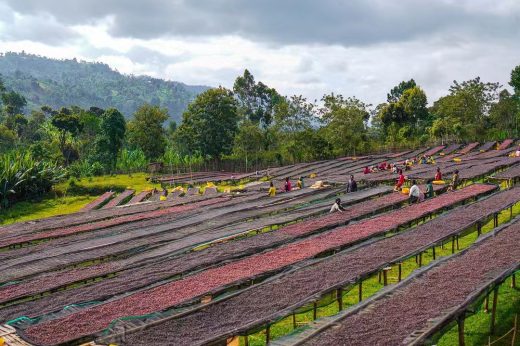
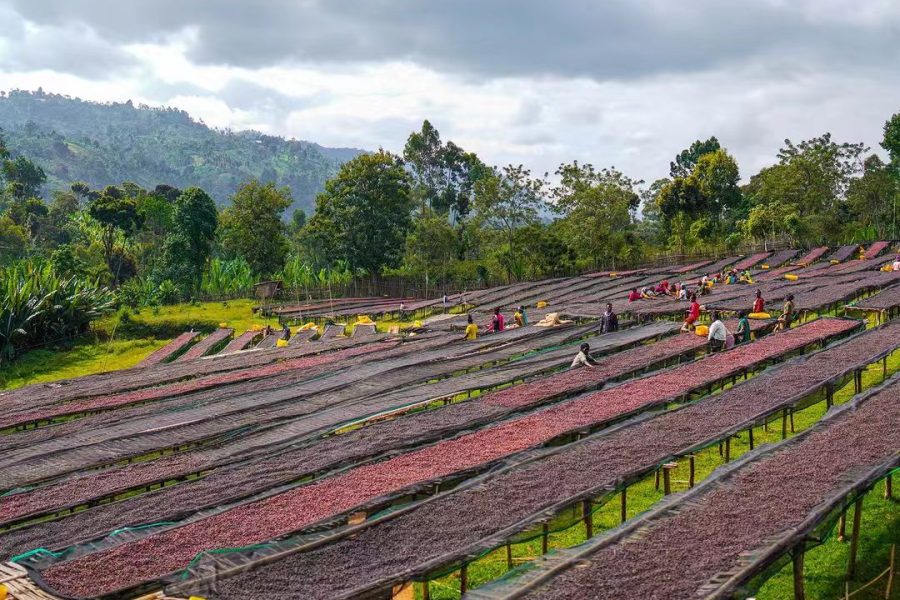
As an emerging specialty coffee core area, Bensa's exceptional altitude of 1800-2300 meters gives the coffee cherries a slower ripening process, allowing them to accumulate more complex sugars and aromatic compounds. Common local processing methods include: washed (highlighting citrus notes), natural (intensifying tropical fruit flavors), and red honey (balancing sweetness and acidity). Washed processing requires strict control of fermentation time, usually completed within 18-24 hours, followed by 12-15 days of graduated drying.

In terms of varieties, besides the local landraces Dega and Wolisho, the numbered varieties 74158, 74165 and others selected by JARC (Jimma Agricultural Research Center) have performed outstandingly in COE competitions. These varieties, improved for disease resistance, both preserve the distinctive flavor of Ethiopian coffee and enhance cultivation stability. The 74165 variety used by the champion farm of the 2021 Bensa region won judges' favor with its outstanding combined strawberry and black tea flavors.

For processing Bensa coffee beans, the washed process requires rigorous sorting: first remove unripe fruits and defective beans, then carry out 24-36 hours of aerobic fermentation (temperature controlled at 20-25°C), followed by thorough washing with clean water to remove residual mucilage. During drying, the coffee bean layer should be kept at a thickness of 3-5 cm, raked once every 2-3 hours for the first 3 days to prevent mold, until the moisture content stabilizes at 11.5±0.5%.

The natural process emphasizes consistency of ripeness: immediately after harvest, three rounds of manual sorting are carried out, keeping only fully reddened coffee cherries. The spread thickness should be no more than 2 cm, raked every hour for the first 72 hours to ensure even drying, with shade nets used to regulate light intensity during this period. Professional processing stations are usually equipped with temperature and humidity monitoring devices, maintaining the drying environment at 25-30°C, with the final moisture content likewise required to reach 11.5%.

High-altitude natural coffees represented by Bensa often present magnolia, pineapple and yellow peach and other floral and fruity aromas in cupping, with bright tropical fruit acidity on entry (such as passion fruit and perfume lemon), developing a black-tea-like full texture in the mid-palate and a persistent, clean finish. These flavor characteristics make them particularly suited to medium-light roasting, highlighting their bright sweet-acid balance.

Professional brewing recommendations (referencing a V60 dripper):
• Water temperature: 92-93°C (avoid excessively high temperatures that amplify astringency)
• Coffee-to-water ratio: 1:15 (adjust slightly to 1:14-1:16 to taste)
• Grind size: fine granulated sugar (78% pass-through rate on a No. 20 sieve)
• Three-pour method: first pour 45 g to bloom for 30 seconds → second pour to 125 g → final pour to 225 g, with total time controlled at 2 minutes 10 seconds ±10 seconds

Notes: When handling high-sweetness coffee beans like Bensa, it is recommended to extend the resting period to 10-14 days so the flavors fully integrate. For storage, use aluminum foil bags with one-way exhaust valves and avoid storing alongside strongly scented items. For enthusiasts seeking the ultimate flavor, try pairing with traditional Ethiopian beverages to experience a resonance with the region's food culture.