Sumatra Aceh Longberry: Wet-Hulled Flavor and Origin Explained
Introduction: Explore the distinctive Longberry coffee variety of the Lake Tawar region in Aceh, Sumatra, Indonesia, and learn how its 1200-1600m high-altitude growing environment and wet-hulled process shape its full-bodied, low-acidity flavor profile. This article explains the origins of the Golden Mandheling trademark, the characteristics of the Longberry variety, and professional brewing parameters to help you master the tasting points and brewing techniques of this Southeast Asian classic.
 Indonesian coffee is known worldwide for its distinct regional character, and Sumatra's Mandheling series has long held a place on every specialty coffee lover's must-try list. Among its many sub-categories, the Longberry coffee from Mount Gayo in Aceh has gradually emerged with its unique bean shape and complex flavors, behind which lies an interwoven story of volcanic soil, microclimate and a century-old growing tradition.
 The Special Region of Aceh lies at the far northwestern tip of Indonesia, where the equator passes through, creating a typical tropical maritime climate. An average annual temperature of 27°C combined with more than 2000mm of annual rainfall forms a clear cycle of wet and dry seasons—each year from October to March, Pacific air currents bring the rainy season, and the cool, moist environment helps coffee trees accumulate nutrients; the dry season from April to September brings ample sunshine that promotes sugar concentration in the fruit. These climate characteristics provide a natural advantage for coffee growing.
 Lake Tawar, a crater lake remnant on the island of Sumatra, sits at an altitude of 1100 meters, and its surroundings form a unique microclimate system. Morning cloud cover reduces the risk of extreme heat, while afternoon intermittent showers combined with shade-grown practices together create ideal conditions for slow ripening of the coffee fruit. The 1200-1600m growing belt in this area gives the beans higher density and a better balance of acidity and bitterness, and the beans show a rare emerald-green color, earning them the industry nickname "Emerald Mandheling."
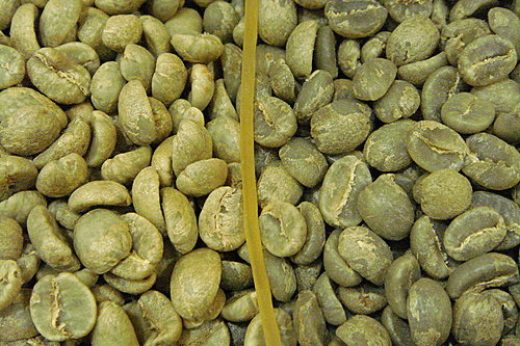
The choice of processing method directly affects the final flavor expression.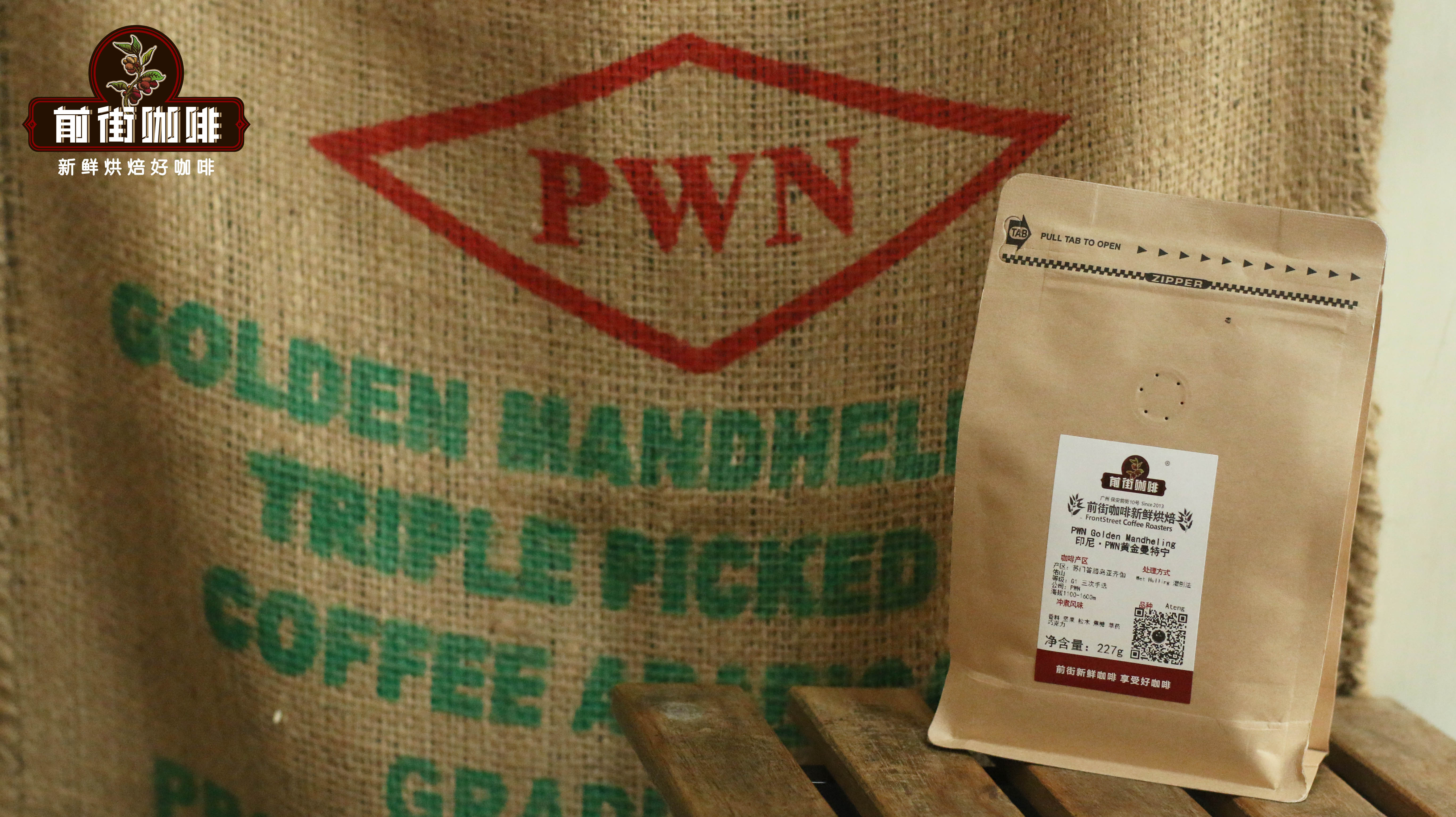 The wet-hulled process, the signature method of the Sumatra region, involves quickly removing the outer skin, followed by a short fermentation, then scraping off the mucilage layer and drying continuously to a moisture content of 12%. This accelerated process gives the beans unique herbal and woody notes during fermentation while lowering acidity and enhancing body. Looking at wet-hulled green beans, you can see irregular cracks on the surface caused by pressing and a darker blue-green color—both typical features of this process.
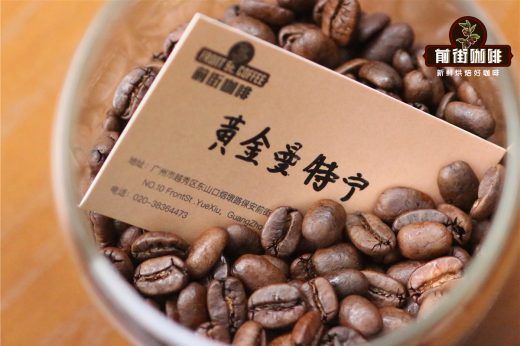
Special attention must be paid to understanding the Golden Mandheling trademark.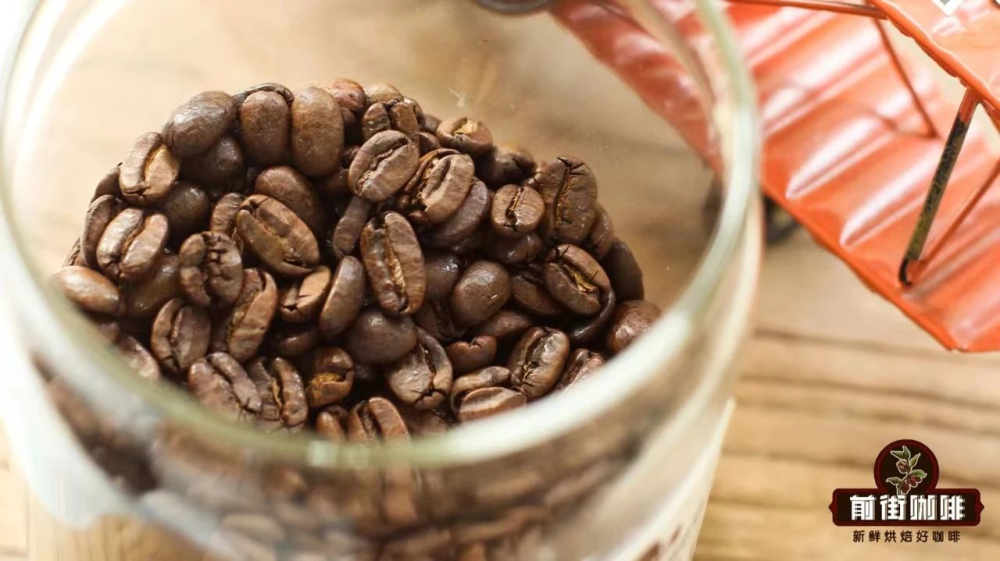 The name is in fact a commercial trademark registered by the Indonesian company PWN in 1957, not a coffee grading standard. As Indonesia's first professional coffee exporter, PWN ensures product quality through a strict screening mechanism—its G1-grade beans exported to markets such as Japan and Taiwan, China, require no more than 3 defective beans per 300-gram sample, and undergo three rounds of hand sorting to remove defective beans. Consumers should look for official certificate authentication when buying to avoid confusion with similar products on the market.
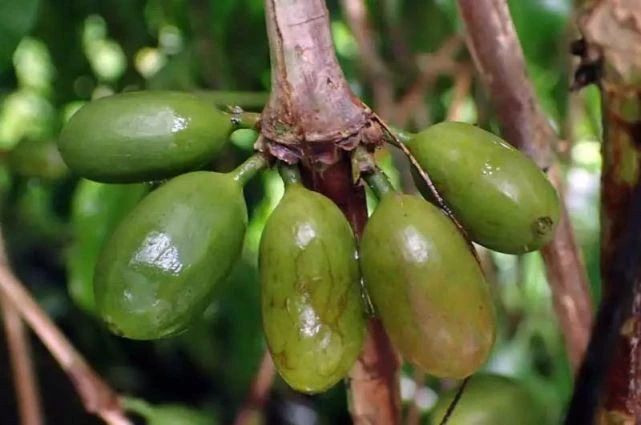
The growing history of the Longberry variety can be traced back three centuries. A natural Typica mutation originating from the Harar region of Ethiopia, it is named "Longberry Mandheling" for its elongated bean shape. Compared with the 3-4 year fruiting cycle of regular coffee trees, Longberry takes as long as 7 years to reach full production, and with a yield of only about 60% of the same variety, its market circulation is scarce. Its genetic characteristics give the coffee a bright citrus note and complex spice layers.
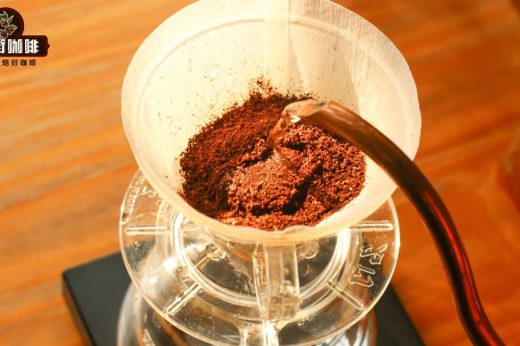
 For professional brewing, the KONO dripper is recommended for the best extraction results. Its ribs, which reach less than 50% of the height, effectively slow the water flow, improving extraction uniformity by extending contact time with the coffee grounds. In practice, set the water temperature to 87-88°C, use a coarse-sugar grind (about 1000μm) with 70% passing through a Chinese standard No. 20 sieve, and a 1:15 coffee-to-water ratio (15g coffee to 225ml water). The specific process includes a 30-second bloom with 30g of water, followed by a slow circular pour in stages up to 125g, then continuing to 225g once the water level drops to the surface of the bed, with total extraction time controlled at exactly 2 minutes.
In terms of flavor, this coffee shows the typical characteristics of the Southeast Asian region: On first sip, a bright acidity reminiscent of green apple is noticeable, accompanied by herbal spice notes such as black pepper; the mid-palate develops caramel sweetness balanced with woody notes; the finish retains a mild herbal aftertaste. Compared with regular Mandheling, the Longberry variety accumulates richer flavor compounds thanks to its longer growing cycle, with about 15% better harmony between sweetness and acidity, and a lower bitterness threshold makes the overall mouthfeel easier to accept.
When it comes to brewing equipment compatibility, note the following: If using a conical dripper such as the V60, it is recommended to adjust the grind one step finer (about 850μm) and shorten the extraction time to 1 minute 45 seconds to compensate for the flow-rate difference caused by the dripper's structure. Storage conditions should be sealed and kept out of light, with relative humidity kept below 50%, avoiding high temperatures that can oxidize the oils and affect flavor freshness.
 For consumers trying Sumatra coffee for the first time, a medium roast is recommended as a starting point. This roast level preserves the origin's characteristic earthy and spicy base without overly suppressing the variety's own fruit notes. Advanced enthusiasts can try comparing versions processed by different methods—for example, naturally processed versions usually show richer blueberry-like berry flavors, while honey-processed versions highlight caramel and nutty sweetness.
 When assessing quality, observe the following features: high-quality Longberry green beans should show an even emerald-green color with a full bean body and no flat areas; after roasting, silver skin residue should be less than 5%, and the broken bean rate below 2%; the crema layer of the brewed coffee should maintain a thickness of 2-3mm, with a color transitioning from amber to light brown. Common misconceptions include mistaking the cracks produced by normal wet-hulled processing for damaged beans, or misjudging the initial pronounced acidity as a quality defect.
 From growing altitude to processing method, every step together shapes the unique character of this Southeast Asian classic coffee. Understanding these elements not only enhances the tasting experience but also helps coffee lovers choose the brewing method best suited to their personal taste preferences. Whether you are a traditionalist seeking a full-bodied cup or a modern drinker who prefers bright acidity, you can find your own flavor balance in this Longberry coffee from the shores of Lake Tawar.