Peru Coffee Regions: Geisha Flavor and Pour-Over Guide
Introduction: Peru coffee is niche but excellent, known for high-altitude growing and clean flavors. This article covers the distribution of Peru's three main coffee regions, analyzes the flavor traits of the Geisha variety and the advantages of washed processing, and offers professional pour-over parameter suggestions to help you fully experience the unique charm of this South American specialty coffee.
When it comes to Peru coffee, many coffee lovers may find it unfamiliar. Although this South American country is not as famous as Colombia or Brazil, its coffee has quietly gained popularity in international markets for its rich flavor layers and mild, balanced mouthfeel. In recent years, with its outstanding purity and bright acidity, Peru coffee has gradually become a new favorite in the specialty coffee world.

Peru is in western South America, bordering five countries including Brazil and Chile, and has diverse terrain from the Andean highlands to the Pacific coast. Though not a large country in land area, it combines four types of terrain—plateau, mountains, desert and coast—plus abundant rainfall and significant day-night temperature differences, providing an ideal environment for coffee growing. The main growing areas are concentrated in the Andes at 1,200–2,000 meters, where volcanic soil is rich in minerals and especially suitable for coffee trees.

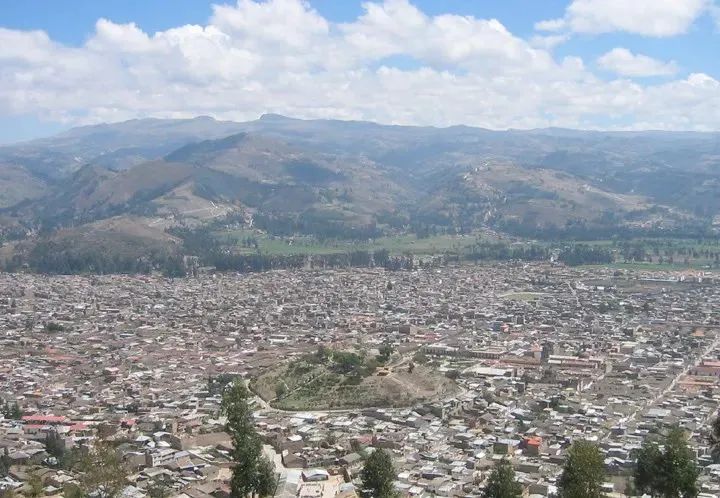
Peru's coffee regions can be divided into three major parts: the northern region (43% of national output, 1,250–1,950 meters), the central region (34% of output, 1,200–2,000 meters) and the southern region (23% of output, 900–2,050 meters). Among them, the Cajamarca area near the Ecuadorian border in the north, close to the Andean ridge, has high altitude, abundant microclimates and fertile volcanic soil, making it a golden zone for quality coffee.

Peru's coffee industry has followed a unique development path. When introduced by the Spanish in the late 18th century, it was only ornamental; after independence, government efforts to promote cash crops gradually commercialized it. In the mid-19th century, European immigrants brought advanced techniques, but the real turning point came after the 1968 land reform—the large estate system collapsed and was replaced by a model dominated by smallholders. After decades of development, Peru became the world's largest organic coffee producer in 2003, with exports reaching 220,000 tons in 2024 and organic coffee output value of about 1.1 billion USD, mainly sold to high-end markets in Europe and America.

Peru coffee grading uses a unique altitude/hardness system: the higher the altitude, the denser the beans and the richer the flavor. The mainstream processing method is washed, removing defective beans through flotation, fermenting to remove mucilage, then drying. This process creates Peru coffee's signature high purity, gentle fruit acidity and silky mouthfeel; the acidity is bright but not sharp, often with fresh flavors such as citrus and berries.

Among the many regions, Cajamarca stands out in particular. At 1,800–1,950 meters, with large day-night temperature differences, it grows several quality varieties including Geisha. The washed Geisha we experienced was medium-light roasted to preserve its floral and fruity character: the dry aroma showed white florals and berries, and after brewing it released lively acidity of citrus and prune, accompanied by a mellow finish like black tea, with overall cleanliness that was impressive.

To fully bring out the flavor characteristics of Peru Geisha, the following pour-over recipe is recommended:
• Grind: medium-fine (75% passing a Chinese standard No. 20 sieve)
• Water temperature: 90–92°C (adjust slightly by roast level)
• Coffee-to-water ratio: 1:15–1:16
• Brewing method: staged extraction, first pour 30% of the water for a 30-second bloom, then pour in circles up to the target volume
Note: keep the pour steady and avoid excessive agitation, which can extract tannins and affect purity.

The charm of Peru coffee lies in that it retains the mellow foundation of South American coffee while also possessing the bright acidity of African beans. Whether for daily drinking or single-origin tasting, it delivers a balanced and pleasant experience. Next time you try specialty coffee, why not give this low-key South American country a chance—you may discover an unexpected surprise.