Low-Acidity Americano Coffee Beans: Medium-Dark Blends and Extraction
Introduction: Want a full-bodied Americano without the sourness? Understanding coffee bean roast levels and flavor characteristics is key. This article explains the principles of acidity control in medium-dark roast blended beans, recommends four market-verified low-acid recipes covering classic flavors such as caramel and chocolate, and includes brewing parameter suggestions to help you easily find a bean with a stable flavor profile suited to everyday drinking.
Americano has become an important pick-me-up choice for urbanites, and in summer especially, iced Americano's refreshing taste is widely favored. But many consumers often run into a sour, astringent, prickly sensation—this usually stems from misunderstandings about coffee bean roasting characteristics and brewing methods. In fact, by reasonably choosing medium-dark roast blended beans and mastering basic extraction parameters, it is entirely possible to achieve a balanced, full-bodied drinking experience.

The extraction of coffee's sour, sweet, and bitter substances follows a clear order: the hot water first dissolves acidic substances such as citric acid, then releases sweet components such as sucrose, and only lastly dissolves bitter substances such as quinic acid. If the extraction time is too short (usually less than 20 seconds), acidity will be prominent; while over-extraction beyond 30 seconds will produce a noticeable burnt-bitter sensation. This principle explains why many Americanos show an abnormal sourness or an imbalanced bitterness.

Traditional Americanos mostly use dark-roasted Italian-style blended beans, whose caramelized substances formed fully through the Maillard reaction can effectively neutralize acidity. But in the single-origin coffee trend that has emerged in recent years, some lightly roasted SOE (single-origin espresso) beans deliberately retain citrus fruit acidity; this style is better suited to pour-over than to Americano. For users seeking a stable flavor profile, it is recommended to prioritize blended recipes with a roast level in the medium-dark range (Agtron 45-55).


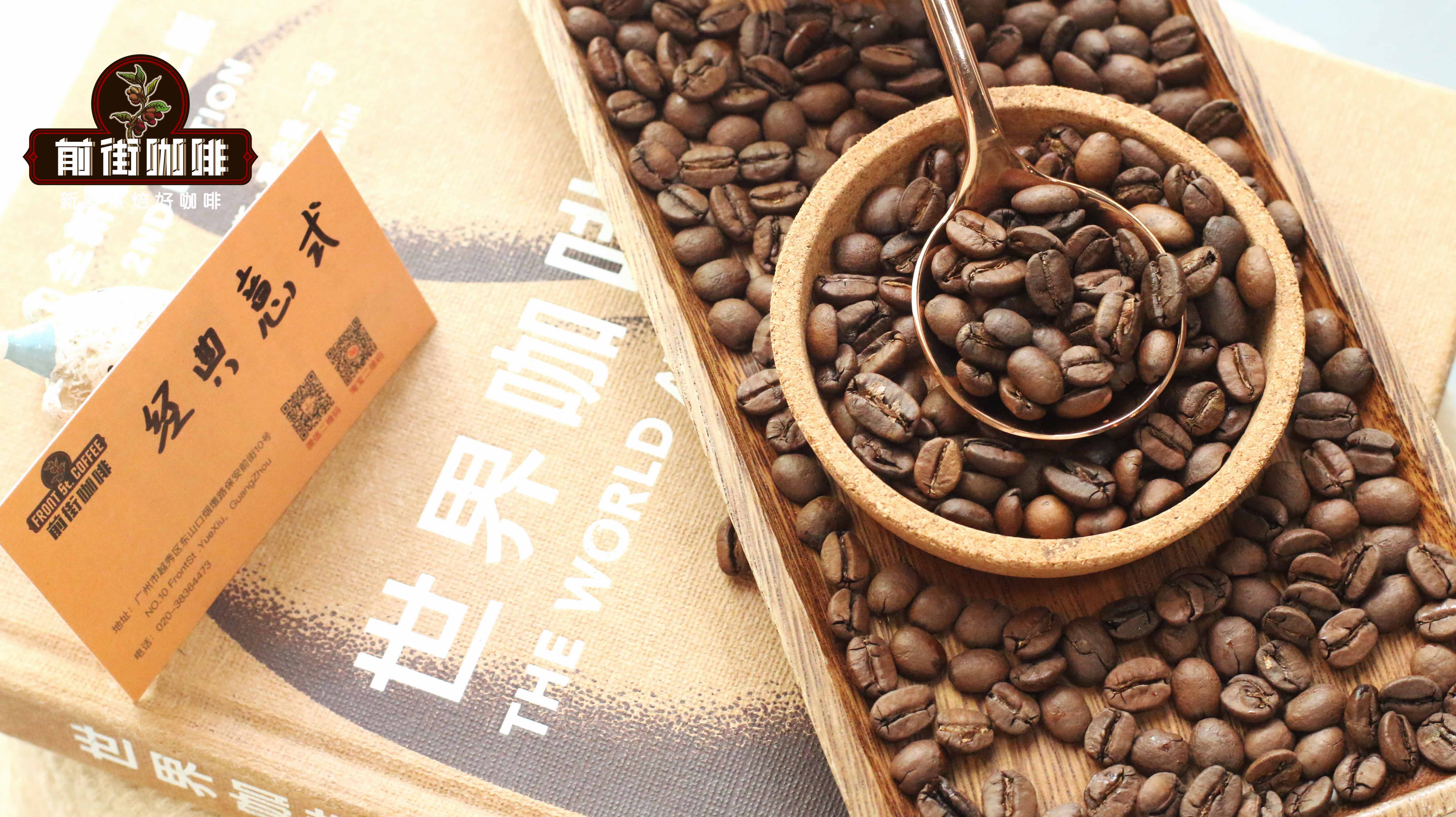
Professional coffee shops commonly use the following four market-verified blend recipes: The first combines Brazilian Red Bourbon, Indonesian Mandheling, and Vietnamese Robusta to form a three-stage flavor structure of caramel/black chocolate/cookie, in which the Robusta variety contributes an oil content of 12-15%, making it especially suitable for drinking with milk. The second uses Yunnan washed beans and Brazilian semi-washed (pulped natural) beans as the main ingredients, highlighting a balance of soft fruit acidity and roasted nuts, with acidity controlled in the pH 5.2-5.4 range and an obvious cost-effectiveness advantage. The third combines Colombian and Brazilian beans, emphasizing the lingering sweetness of black chocolate and caramel, with a recommended grind setting of medium-fine (70% passing a No. 20 sieve). The fourth is a commercial-grade recipe mixing Robusta and Colombian beans, with oil stability lasting up to 18 hours, suitable for business venues with high-frequency use.
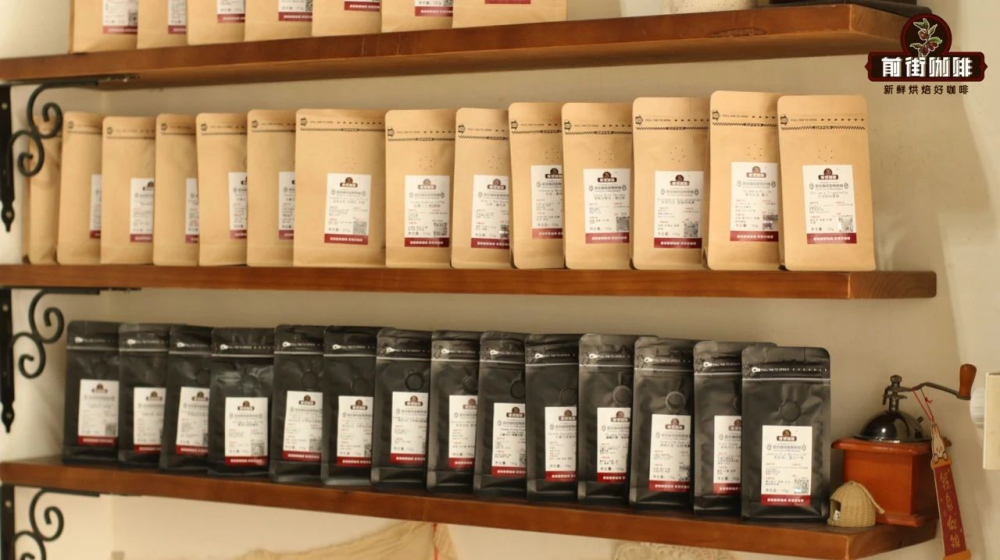
When purchasing, pay attention to three key indicators: first, check the roast date—fresh beans within 7-21 days after roasting are recommended; second, check the proportion of Robusta in the recipe (usually 30%-50% ensures sufficient body); finally, confirm whether the flavor description includes low-acid keywords such as nuts and chocolate. Regarding grind adjustment, home semi-automatic espresso machines are advised to grind 10-15% finer than standard espresso beans, while capsule coffee machines should keep the regular setting.



For actual brewing, you can refer to the following parameter benchmarks: water temperature 90-93°C, coffee-to-water ratio 1:2 to 1:2.5, pre-infusion time 5-8 seconds. If the acidity still feels too high, fine-tune by extending the extraction time to 28-32 seconds or raising the water temperature by 1-2°C. For storage, keep the beans sealed and away from light; when ambient humidity exceeds 60%RH, it is recommended to add food-grade desiccant.