Coffee for Beginners: Latte, Americano and Cappuccino Flavor Comparison and Brewing Parameters

Introduction: Faced with the dazzling array of options on a cafe menu, Americano, latte and cappuccino often make it hard to choose. This article provides an in-depth analysis of the compositional differences, flavor characteristics and preparation standards of these three classic coffees. By comparing key parameters such as espresso ratio and milk foam thickness, it helps you make a choice based on your taste preferences and provides practical brewing reference data.
When many coffee lovers first visit a cafe, they are often confused by the technical terms on the menu—they recognize every word individually, yet the combination leaves them baffled. As the three most basic coffee categories, Americano, latte and cappuccino differ not only in name but also in ingredient ratios, preparation techniques and the final flavor layers they present.
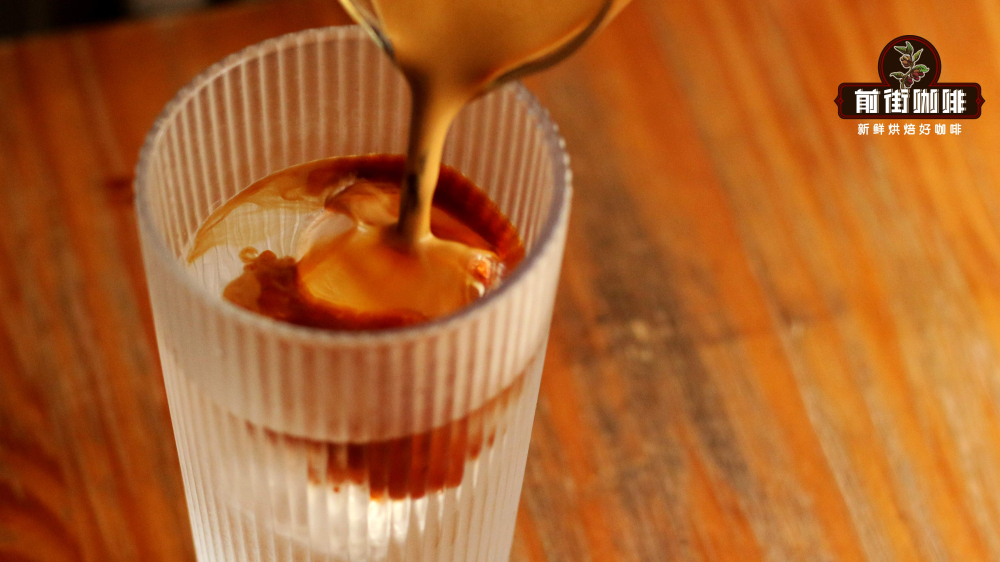
[Americano: The Pure Expression of Espresso]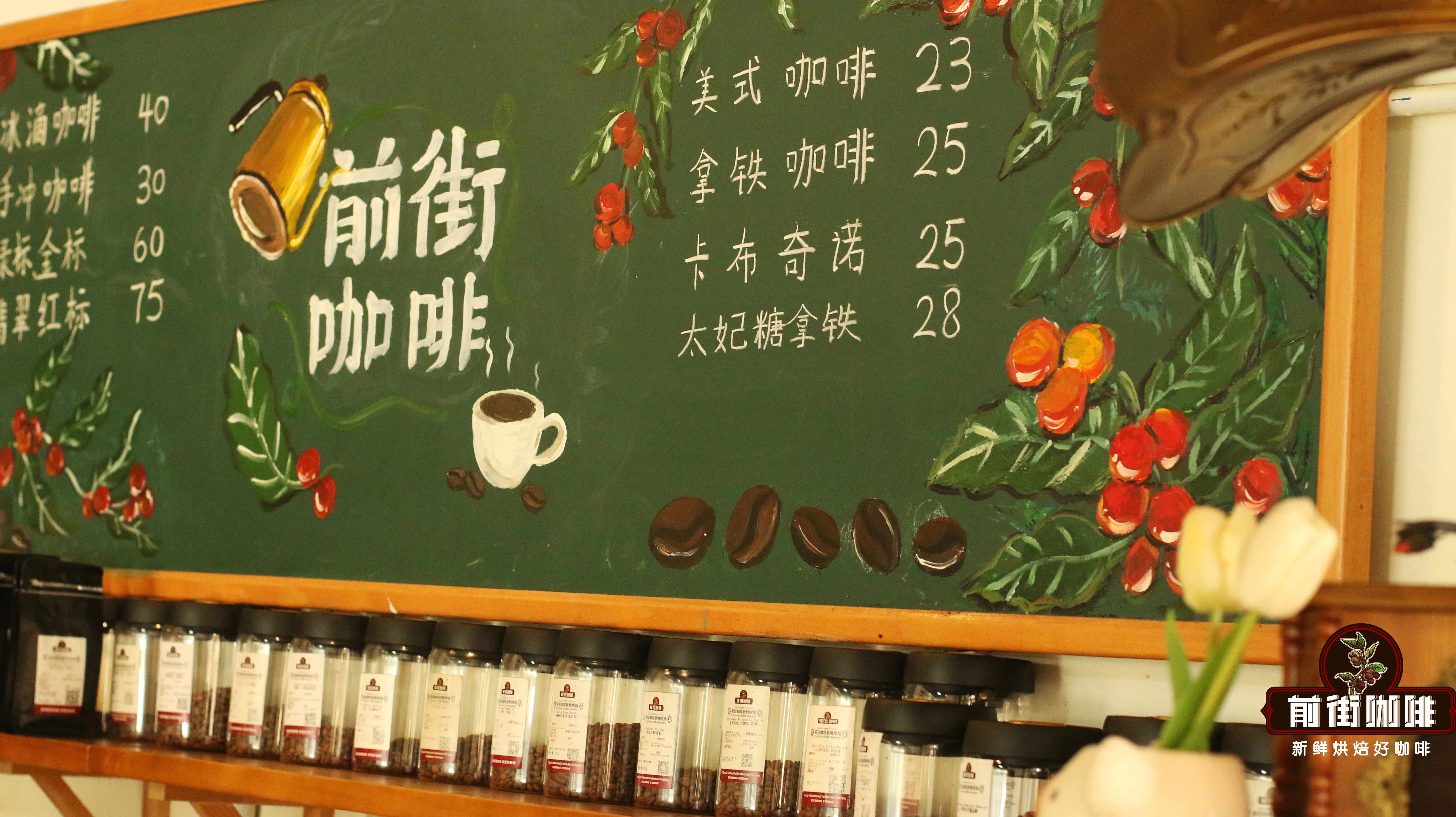 Americano is essentially espresso diluted with water. The traditional ratio ranges from 1:5 to 1:8 (espresso:water); for example, 30ml of espresso added to 150-240ml of hot water yields 220-270ml of finished coffee. This brewing method retains the full-bodied base of espresso while reducing bitterness through water adjustment, making it suitable for people who pursue the true taste of coffee but cannot handle high-intensity stimulation.
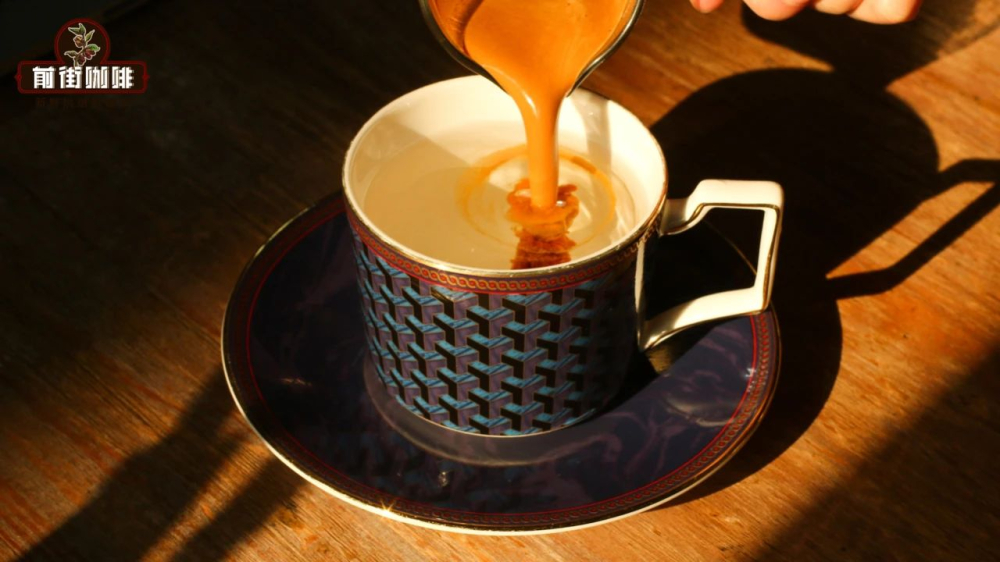
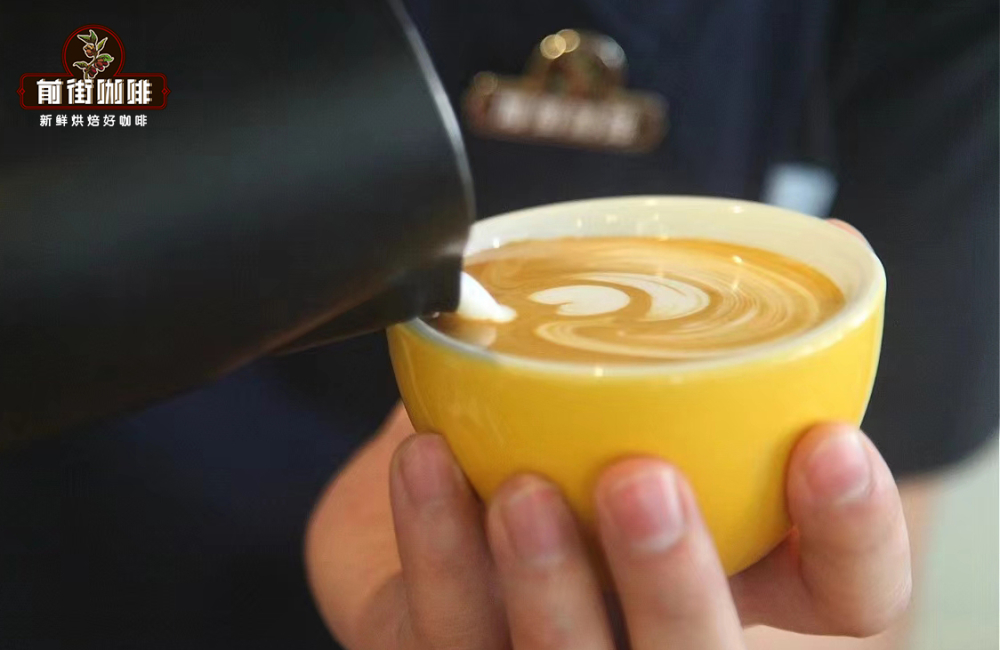
[Latte: The Balance Art Dominated by Milk]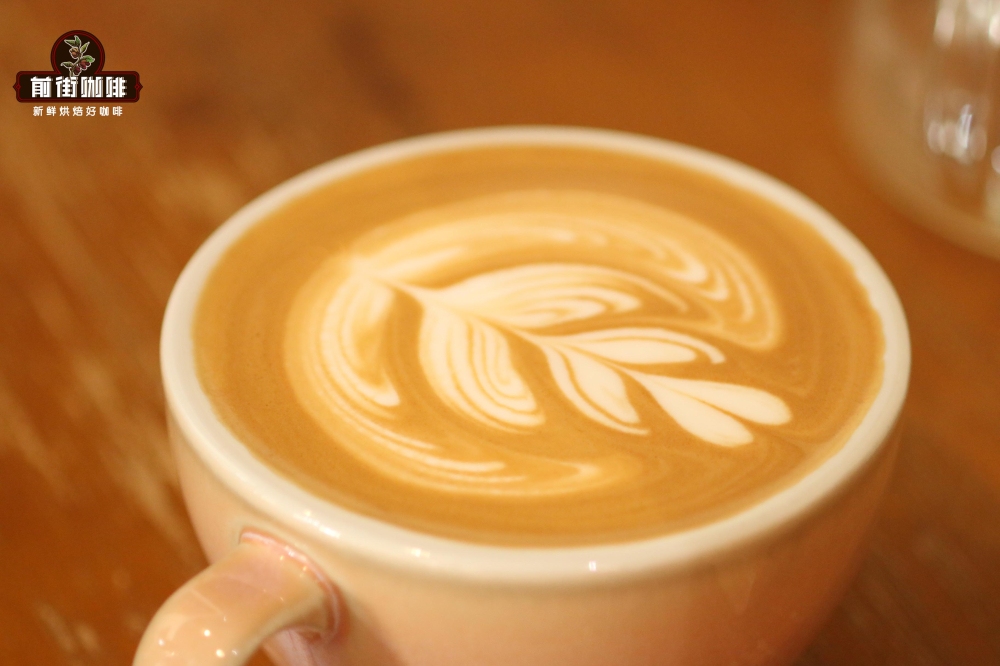 “Latte” means “milk” in Italian, and a true latte is actually a mixed drink of milk and espresso. The modern version usually has a three-layer structure: 30ml of espresso at the bottom, 150-200ml of hot milk (about 60-70°C) in the middle, and a 2-3cm thin layer of milk foam on top. The key parameter is maintaining a milk-to-espresso ratio between 3:1 and 5:1, which highlights the silky sweetness of the milk without completely masking the coffee's flavor characteristics.

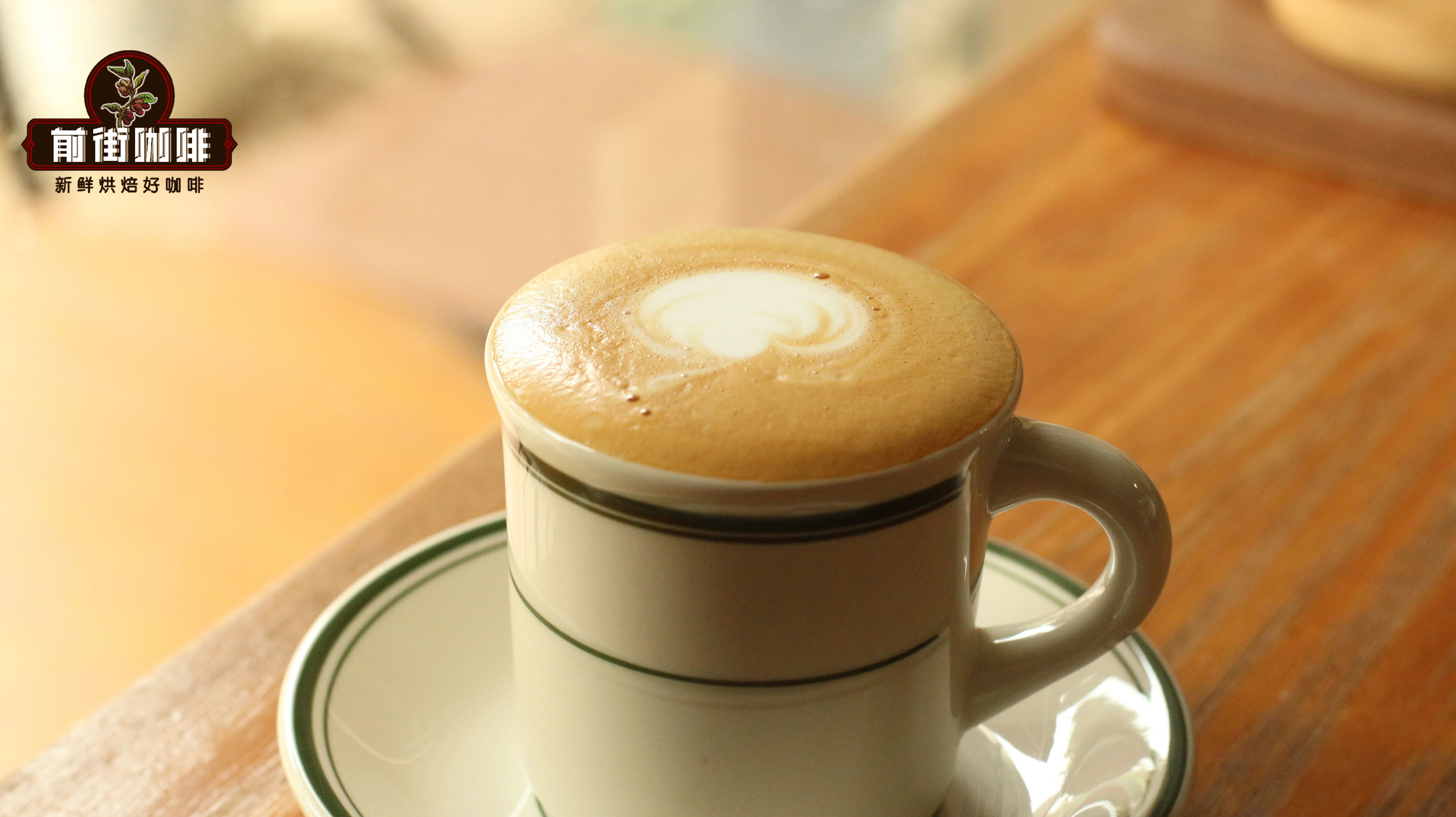
[Cappuccino: The Classic Texture Shaped by Milk Foam]Regarding the origin of cappuccino, the most widely circulated account is that its name comes from the milk foam shape resembling a monk's hood. The traditional recipe uses a 1:1:1 golden ratio—30ml espresso, 60ml steamed milk and 60ml dense milk foam (about 150ml total). Modern improved versions focus more on practicality, with a common structure of 30ml espresso paired with 150ml milk (including 1-2cm thick milk foam), keeping the total volume at 180-220ml. It is worth noting that the milk foam of a high-quality cappuccino should have a fine honeycomb structure, with even surface gloss that can support decoration along the cup rim.
[Comparison of the Core Differences Among the Three Categories]From the perspective of composition: Americano = espresso + water (pure black coffee category); latte = espresso + hot milk + thin milk foam (milk coffee category); cappuccino = espresso + hot milk + thick milk foam (milk coffee category). In terms of flavor, Americano highlights bright acidity and clear bitterness; latte presents soft milk sweetness and balanced body; cappuccino centers on a dense texture, using milk foam as a buffer to highlight the coffee's layered changes.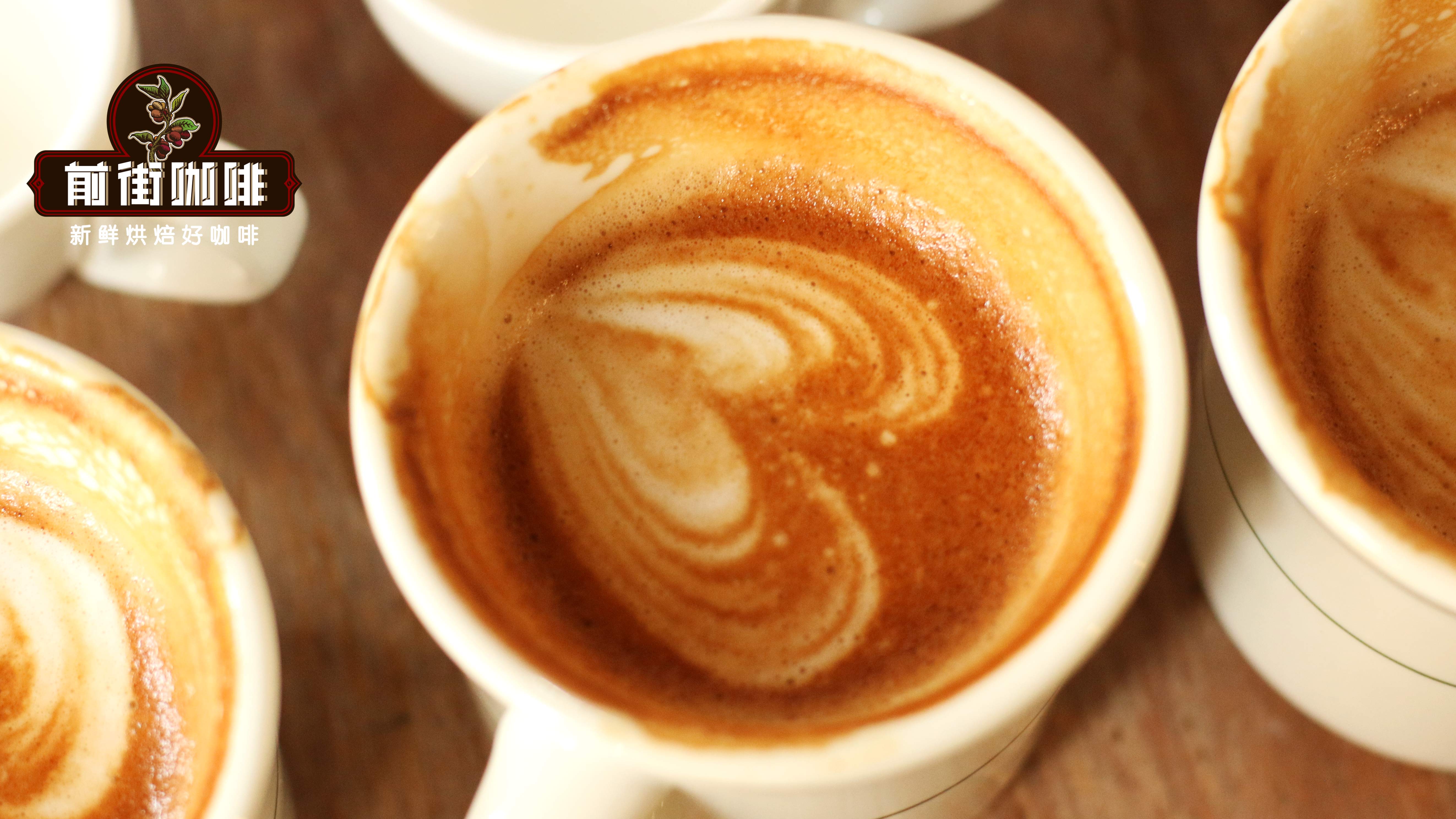
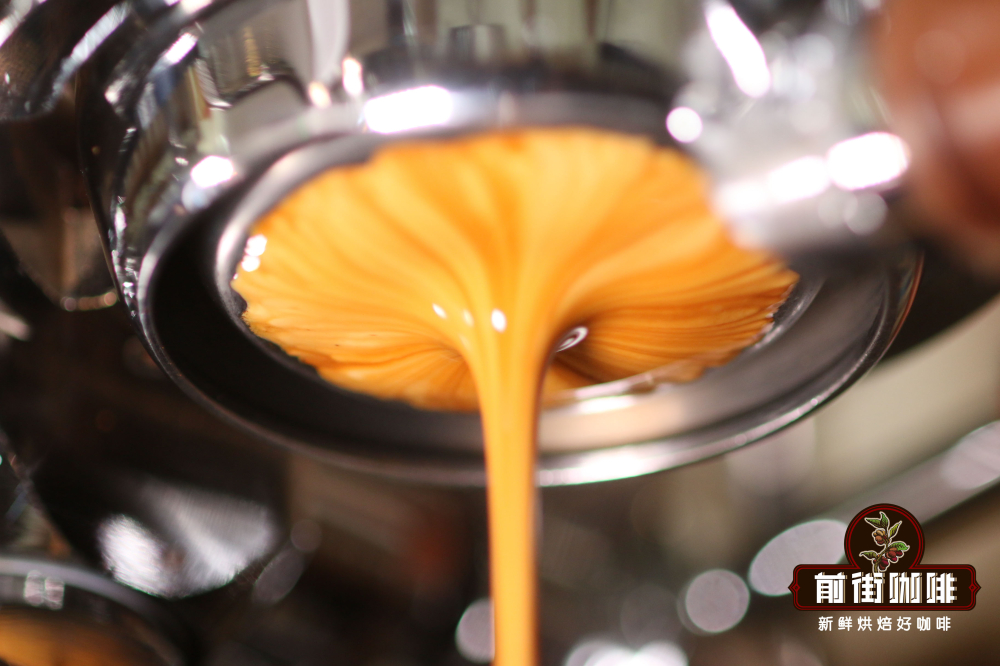
[Professional Parameter Reference]A basic recipe for making high-quality espresso: it is recommended to use medium-dark roasted blend beans (for example, containing 15% robusta to enhance crema performance), with a dose of 18-20g extracted for 30-35 seconds, targeting 36-40ml of espresso (dose-to-yield ratio 1:2). The standard configuration for Americano is 30-40ml espresso + 150-200ml filtered water; latte requires the milk temperature to be controlled within the 65±5°C range to ensure sweetness; the key to steaming milk for cappuccino is forming microfoam bubbles about 0.5cm in diameter, and it is recommended to use a “center pour-stir in circles” technique to improve integration.
[Common Misconceptions]Beginners often confuse the milk foam thickness of latte and cappuccino—the former should use a steam wand to create fine milk foam and incorporate it immediately, while the latter needs to retain some dry foam to form a top layer. In addition, the quality of espresso directly affects the overall performance; freshly roasted coffee beans (recommended for use 7-21 days after roasting) can significantly enhance flavor complexity. For home brewing, you can use a home semi-automatic espresso machine with pre-ground coffee (grind close to fine granulated sugar), and be careful to maintain stable 9bar pressure extraction.