How to Choose Blended Coffee Beans: A Guide to Origins and Recipes for Pour-Over and Espresso

Introduction: Blended coffee beans are often mistakenly thought to suit only espresso, but they can also show unique advantages in pour-over brewing. This article takes a close look at the core differences between blends and single-origin beans, explores how the flavor characteristics of different origins can be balanced through scientific blending, and offers blend recipes for a range of scenarios to help you find the coffee bean combination that suits you.
In discussions among coffee enthusiasts, blended coffee beans are often closely associated with espresso machines and rarely appear in pour-over settings. Behind this perception lie deep connections among roast level, flavor expression and brewing method—but are blends really incapable of pour-over? The answer is far more flexible than one might imagine.

First, let's clarify the basic concepts: espresso coffee beans specifically refer to high-roast beans designed for espresso machines, usually pursuing a rich mouthfeel and crema; blended coffee beans, by contrast, are made by mixing beans from different origins and processing methods to offset the flavor shortcomings of a single origin and form a stable flavor framework. Single-origin coffee beans, in contrast, emphasize expressing the terroir characteristics of a specific origin and are common in brewing methods that highlight clear flavors, such as pour-over. Note that blending is not an inferior substitute; its core value lies in achieving flavor balance and extraction stability through precise ratios, and a high-quality blend can even present richer layers than a single-origin bean.

The mainstream choice for pour-over coffee is light-to-medium roast single-origin beans, because they clearly convey the original flavor characteristics of the coffee beans—for example, the citrus notes of Ethiopia or the nutty aroma of Colombia. But using blended beans for pour-over is no taboo: a light-roast blend can create a unique fresh flavor by mixing the acidity and sweetness of different origins; a medium-dark roast blend can strengthen the caramel and chocolate finish brought by caramelization reactions. The key is to adjust the bean ratio and roast profile according to the target flavor.

Blended coffee beans are designed for diverse purposes: in commercial settings, blending is often used to ensure flavor consistency across different batches of raw materials, while in the specialty coffee field the focus is more on highlighting specific flavor combinations through scientific ratios. For example, mixing high-acidity African beans with low-acidity South American beans can both balance the overall pH and enhance sweetness and body; adding a small amount of Asian beans can boost the full-bodied base and spicy finish. It is worth noting that every ingredient in a high-quality blend must undergo strict selection—it is by no means a simple mix of low-priced beans to cut costs.
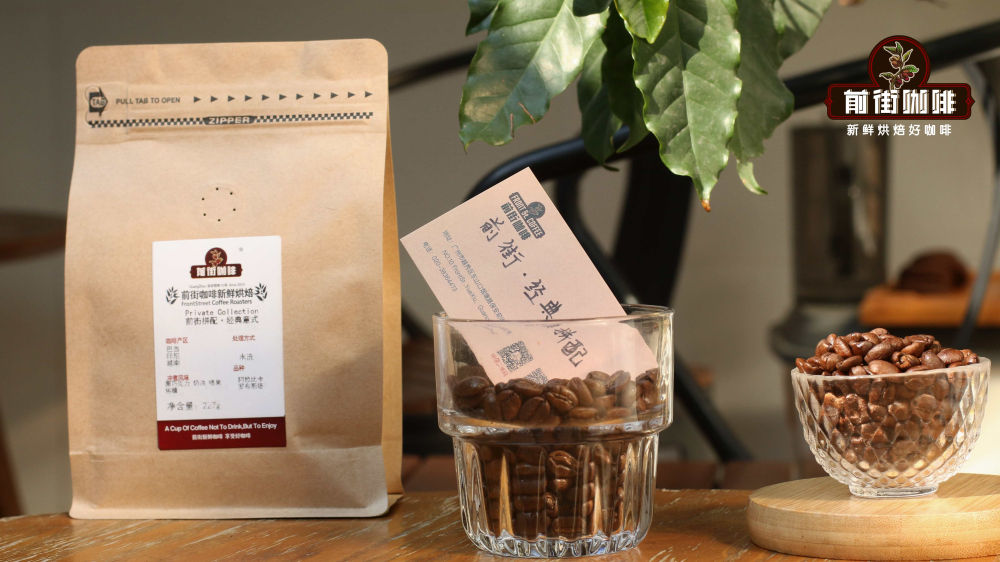
For pour-over enthusiasts, the following blend options can serve as references: if you prefer a fresh, bright flavor, try a light-roast blend (such as Ethiopia Yirgacheffe + Honduras Sherry barrel-fermented beans), with lively acidity and a finish of floral notes and black tea; for a balanced mouthfeel, choose a medium-roast combination (such as Colombia + Brazil Cerrado), with harmonious nutty and caramel flavors; a dark-roast blend (such as Sumatra Mandheling + Vietnamese Robusta) suits users who like intense chocolate and a full body. In practice, it is recommended to fine-tune the ratio to personal taste and pay attention to matching pour-over parameters—for light-roast beans, a water temperature of 90-93°C and a finer grind are recommended; for dark-roast beans, the water temperature can be lowered appropriately to 88-90°C and the grind set coarser.

Classic blend examples for espresso scenarios are even more instructive: a combination of Mandheling (Indonesia) + Brazil Red Bourbon + Vietnamese Robusta (ratio about 4:6) can neutralize herbal off-flavors and form a rich, clean feel similar to Blue Mountain; a blend of Colombia Huila + Yirgacheffe Red Cherry + Costa Rica Tarrazú, through the layering of berry acidity, honey sweetness and crema, presents a complex aroma of rose and raisin. The core logic of these recipes is to complement each other's origin characteristics, balancing extraction efficiency and flavor layers.
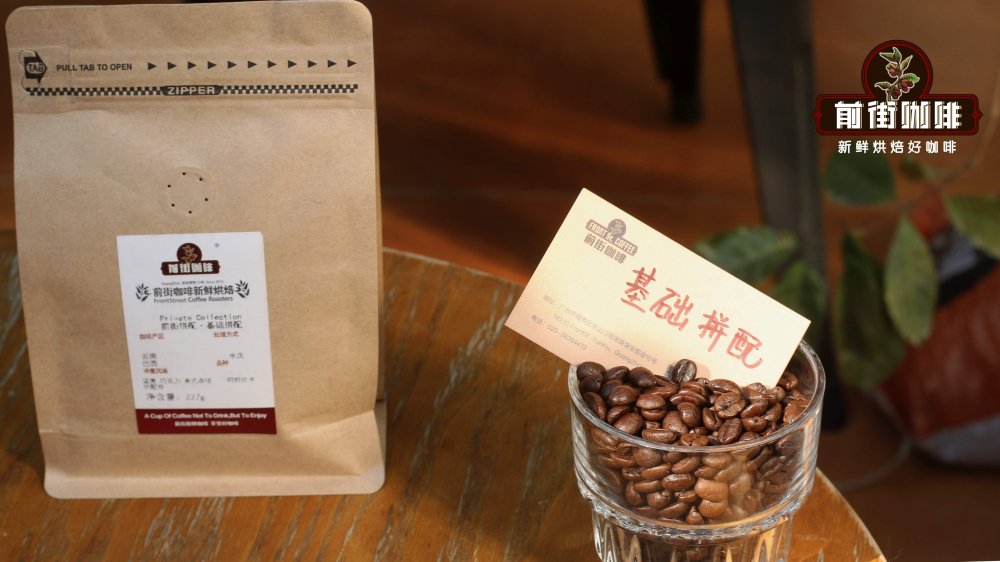
In summary, the applications of blended coffee beans go far beyond conventional wisdom—whether for pour-over or espresso, the key is to understand the flavor characteristics of the beans and the goal of the blend. Through systematic study of origin characteristics, the influence of roast level and the matching of brewing parameters, even beginners can try designing their own blend recipes to suit their personal taste and unlock more coffee possibilities.