Pour-over vs. espresso beans: caffeine, brewing differences, and blend guide
Introduction: Pour-over and espresso are the two mainstream coffee brewing methods. They differ significantly not only in flavor and production technique, but also in caffeine content due to different brewing conditions. This article explains in detail the similarities and differences between pour-over coffee and espresso in terms of coffee bean types, extraction methods, and caffeine release, and answers whether blend coffee beans can be used for pour-over, as well as how to scientifically adjust brewing parameters to achieve the ideal taste, helping you better understand coffee and brew better-tasting coffee.
With coffee culture growing more popular today, pour-over and espresso have become daily choices for many coffee lovers. The two differ greatly not only in flavor style, but also in the types of coffee beans used, extraction methods, and even the final caffeine content. So, which has more caffeine, pour-over or espresso? Can espresso-specific blend coffee beans be used for pour-over? This article takes an in-depth look at these common questions and guides you through a comprehensive understanding of the mysteries of these two classic brewing methods.

Pour-over coffee often uses single-origin coffee beans, that is, beans from a single origin with distinct terroir characteristics, mostly roasted to a light-to-medium level to highlight their clean, bright acidity and rich fruit and floral notes. The appeal of pour-over lies in its emphasis on "slow extraction," slowly releasing flavor through a dripper at near-atmospheric pressure, usually without high-pressure equipment, which makes the coffee's original taste milder and clearer. By contrast, espresso pursues a rich, full-bodied mouthfeel, often based on dark-roasted blend coffee beans, rapidly extracted through machine pressure of up to nine atmospheres, suitable for pairing with milk to make popular drinks such as lattes and cappuccinos.

[Bean differences] Pour-over and espresso are completely different in bean selection. Pour-over mostly uses single-origin coffee beans, roasted light or medium, to present the unique character of beans from different regions, such as the citrus and floral notes of Ethiopia, or the nutty chocolate notes of Colombia. These beans are usually brewed with drippers such as V60 or Kalita Wave, extracted at atmospheric or low pressure (about 1–3 bar). Espresso generally uses blended beans, also called blend coffee beans, mixed in proportions from multiple origins and different processing methods, dark-roasted, emphasizing body, balance, and mouthfeel, and is the ideal choice for making espresso and milk coffee. Such coffee beans must be ground into a very fine powder with a professional espresso grinder so that they can be extracted smoothly under high pressure.


[Very different production methods] Pour-over coffee relies on a dripper under atmospheric or low pressure (about 1–3 bar), achieving flavor extraction by controlling variables such as water temperature, water flow, and time. Common techniques include the three-stage pour and center pouring, emphasizing consistency and patience. Espresso, on the other hand, uses an espresso machine to generate pressure of up to 9 bar (some high-end models can reach 11 bar), forcing water quickly through a tightly compacted coffee puck to extract a rich, highly concentrated coffee liquid in a short time (20–30 seconds)—what we commonly call espresso. This extraction method not only releases a large amount of flavor compounds but also forms a layer of golden crema, the signature feature of espresso.

[Which has more caffeine?] Given the same dose and grind size, caffeine, as a water-soluble substance, has its release mainly affected by extraction time and temperature. Since pour-over extraction usually takes 1–3 minutes, far longer than the 20–30 seconds for espresso, with the same dose, the total caffeine in pour-over coffee is often higher than in espresso. In addition, coffees extracted over several hours, such as ice drip and cold brew, have significantly higher caffeine content. Note that although espresso has a very high caffeine concentration per unit volume, because the total liquid volume is small (usually about 30 ml), the actual caffeine intake may not exceed that of a large cup of pour-over or americano.

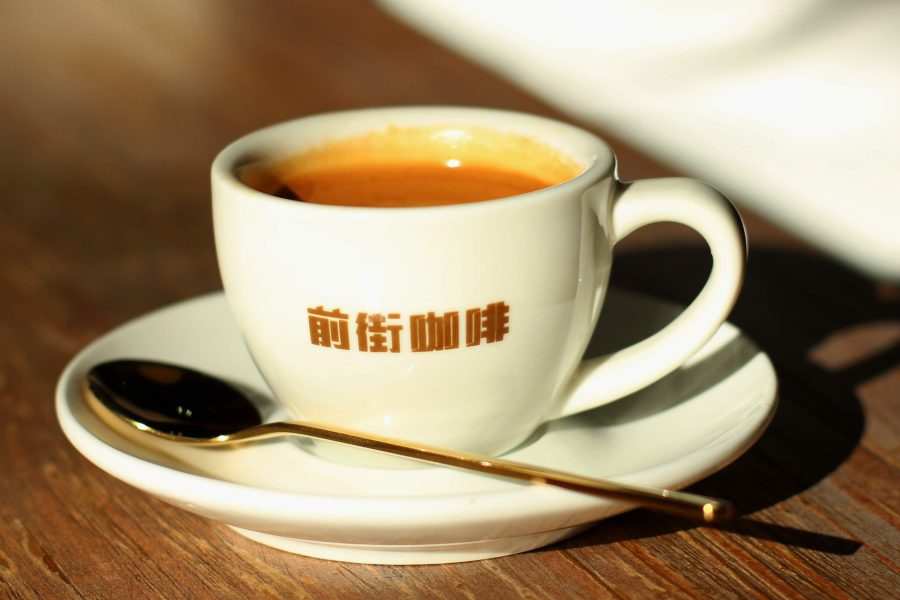
[How is espresso made?] A standard espresso usually uses a double basket with a dose of about 18–20 grams, a common brew ratio of about 1:2 (that is, about 40 grams of coffee liquid extracted from 20 grams of grounds), and an extraction time controlled at 20–35 seconds, with the optimal range generally 28–30 seconds. The grind must be very fine, close to flour consistency, to cope with high-pressure extraction. Before formal extraction, the puck needs to be pre-infused and moistened to ensure even extraction and avoid channeling. When done, you will get a cup of about 30 ml of espresso with a full-bodied mouthfeel and rich crema. It is the soul base of lattes, cappuccinos, and other milk coffees, and can also be diluted with water to become a refreshing americano.


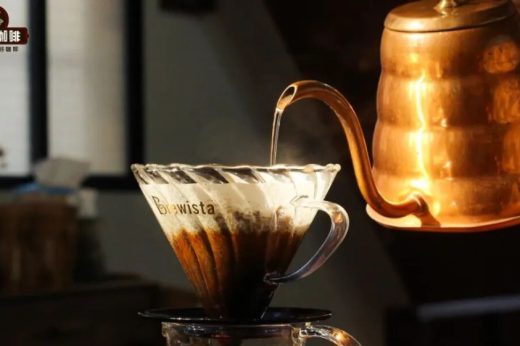
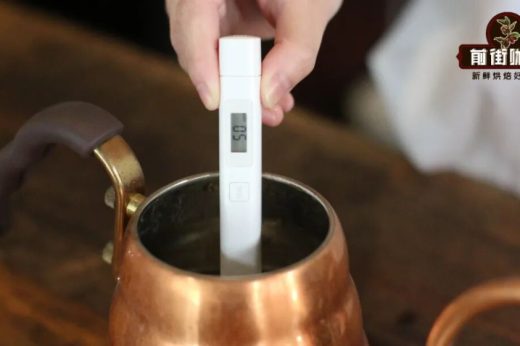
[Pour-over coffee basics] The basic equipment needed for pour-over coffee includes a gooseneck kettle, a dripper (such as V60 or a wedge-shaped dripper), a server, a grinder, filter paper, a digital scale, and a thermometer. Common pour-over parameters are: for light-to-medium roasted coffee beans, use hot water at 91–93°C; for grind size, use a reference of 80% passing through a No. 20 sieve (equivalent to setting 10 on an EK43s grinder, i.e., medium-coarse); the brew ratio is mostly set between 1:15 and 1:16. Beginners are recommended to use the three-stage pouring method: first, bloom with 30 grams of water for 30 seconds to awaken the coffee grounds; then pour about 95 grams of water, circling evenly; finally pour the remaining 100 grams of water and wait for all dripping to finish, with the total time controlled at about 2 minutes. This method can effectively improve extraction evenness and avoid over-extraction or bitterness.


[Can blend coffee beans be used for pour-over?] The answer is yes, but it is not recommended. Blend coffee beans are designed for high-pressure rapid extraction; they are darker-roasted, with flavors leaning rich and heavy, usually carrying notes of caramel, chocolate, and nuts. When used for pour-over, if the grind size and parameters are not adjusted, over-extraction, bitterness, and dull aroma easily occur. If you must try it, it is recommended to grind coarser, lower the water temperature to 88–90°C, and shorten the brewing time. This can slightly reveal their full-bodied side, but it still cannot match single-origin beans designed specifically for pour-over.


In summary, pour-over and espresso each have their own strengths in equipment, technique, and flavor, and their caffeine release also differs noticeably. Pour-over coffee, with its longer extraction time and larger total liquid volume, usually contains more caffeine; while espresso, though higher in concentration per unit, has a relatively lower total intake. Although blend coffee beans can be used for pour-over, they are not the optimal choice. Only by understanding these basic differences and mastering scientific brewing parameters can you better enjoy the unique experience each coffee brings.