How to Choose a Pour-Over Coffee Filter: Metal vs. Paper vs. Cloth
Introduction: Choosing a pour-over coffee filter directly affects how the coffee's flavor comes through. From the most common paper filters to durable metal filters and reusable cloth filters, each material has its own extraction characteristics. This article takes a close look at the core advantages and use considerations of these three filter types, helping you make an informed choice based on your brewing habits and flavor preferences, along with practical cleaning and maintenance tips.
A great cup of pour-over coffee depends not only on bean quality and brewing technique—filter choice is equally key. Faced with the wide range of filter materials on the market—paper, metal mesh, cloth—many coffee enthusiasts struggle to decide which filter will deliver the texture and flavor layers they're after. Below we systematically compare the characteristics of the three mainstream filter types to help you find the brewing partner that suits you best.
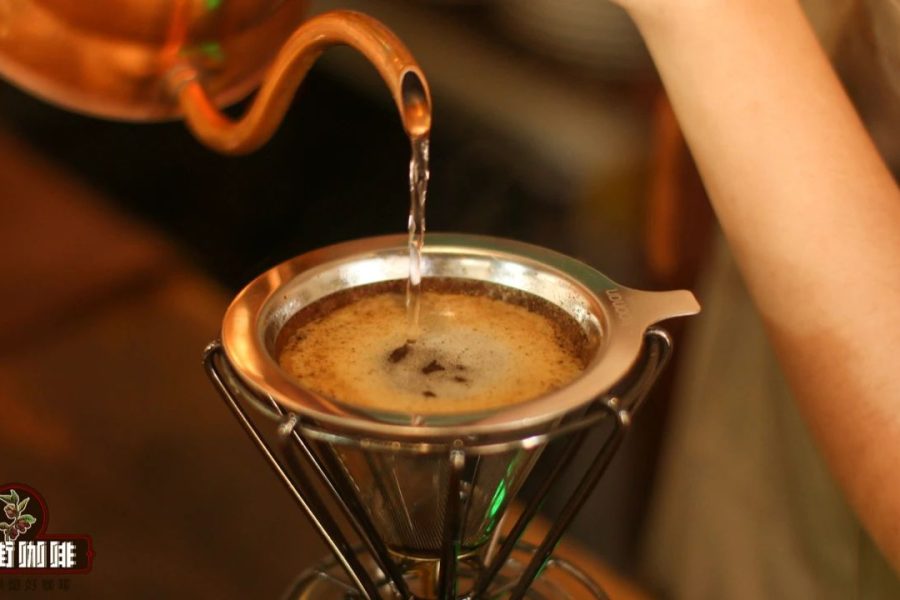
Metal filters, with their distinctive physical structure, have become a popular choice in recent years.The coarse pore design allows more fine coffee particles to pass through, which preserves a large amount of coffee oil, giving a noticeably full, smooth texture on the palate, similar to the richness of a French press. Notably, high-quality metal filters use precision stamping to control pore uniformity (commonly 0.15-0.2mm pore size), effectively filtering out most coffee grounds while retaining beneficial oils. Beginners should note, however, that these filters demand stricter grind consistency; a medium-fine grind is recommended (about 70-75% passing a No. 20 sieve), otherwise excess fines can produce a muddy, astringent taste.

Traditional paper filters remain the mainstay of home brewing.White filters made from virgin wood pulp have a near-neutral pH; they not only trap coffee grounds efficiently (pore size typically under 0.1mm) but also absorb some undesirable flavor compounds. Practical tests show that paper filters reduce coffee oil content by about 30%, which is especially beneficial for light-roast coffees prized for bright acidity and floral-fruity notes. Always pre-wet with 30-40ml of hot water before use—this removes papery off-flavors and preheats the dripper to improve extraction stability. That said, frequently replacing paper filters does raise environmental concerns; choosing biodegradable eco-friendly filters is recommended to reduce the burden on the environment.


Cloth filters, as a sustainable option, are favored by experienced brewers.100% pure cotton, specially woven, forms a micron-level filtration layer that ensures full extraction while being reusable dozens of times. Experimental data shows that a properly maintained cloth filter can boost coffee sweetness by about 15%, making it especially suited to medium roasts (such as Brazil or Colombia) through dark roasts (such as Mandheling). After use, rinse immediately with warm water and dry thoroughly; for long-term storage, place in a breathable cloth bag in a cool, shaded spot. Common mistakes include: washing with detergent, which damages the fiber structure, and drying in direct sunlight, which hardens the cloth and impairs filtration.

For cleaning and maintaining metal filters, a baking-soda alkaline soak is recommended: place the filter in a mixture of 500ml boiling water and 1g food-grade baking soda and let it sit for 15 minutes, which effectively breaks down stubborn oils. For cloth filter care, deep-clean once a month with a dedicated cloth-filter cleaning tablet (or diluted neutral dish soap); after cleaning, squeeze out the water and hang it in a ventilated spot to air-dry naturally. With any filter, regularly checking for damage or deformation is essential—a deformed metal filter causes uneven water flow, and a damaged cloth filter may release fiber impurities that compromise the coffee's purity.

Buying advice: beginners new to pour-over can start with a mid-range paper filter set in the 100-150 yuan range, then invest in a 304 stainless steel wave-pattern filter (pore size around 0.18mm) for advanced practice once they've mastered the basics. Barista-level enthusiasts chasing the ultimate flavor are advised to equip a Japanese-made tannic-acid-treated cloth filter (thickness 0.3mm or more) along with a precision temperature-controlled pour-over kettle. Remember, there is no absolutely perfect filter—only the combination that best suits your current brewing setup.