Pour-Over vs Americano: Extraction Parameters and Taste Comparison Guide

Introduction: Many coffee enthusiasts wonder why the same coffee beans taste different when brewed as pour-over versus Americano, and why pour-over coffee is often more expensive. This article compares the extraction principles, parameter settings, and actual flavor performance of pour-over and Americano, providing an in-depth analysis of the differences between these two brewing methods to help you understand the reasons behind the taste and master the basis for choosing between them.
In the world of coffee, pour-over and Americano are two common brewing methods, but they differ significantly in flavor, mouthfeel, and craftsmanship. Many coffee lovers have found that using the same coffee beans to make pour-over and Americano results in completely different tastes, and even prices differ. So, is pour-over coffee really better tasting than Americano? Why is pour-over coffee usually more expensive? Below, we analyze the differences between these two brewing methods in detail, from principle to practice.
What is pour-over coffee?
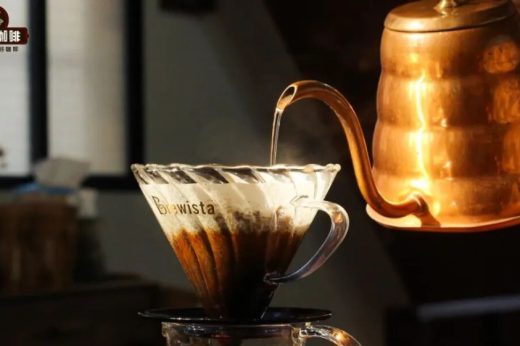
Pour-over coffee, often called pour over or hand drip in English, is a brewing method that relies on natural gravity, manually pouring hot water to slowly permeate the coffee grounds and extract flavor compounds. It typically uses a dripper and filter paper, without additional pressure, making it a classic drip coffee. The key to pour-over lies in grind size, water temperature, pouring technique, and coffee-to-water ratio—these variables significantly affect the final flavor.
< >

What is Americano?
Americano typically refers to a coffee beverage made by diluting espresso with water. However, note that most commercial "American coffee machines" are drip coffee makers, completely different from espresso machines. Espresso is extracted by forcing hot water (about 90-96°C) at 9 bar pressure through very finely ground coffee in 20-30 seconds, with a coffee-to-water ratio of 1:2, yielding a concentrated, crema-rich shot. Americano is made by diluting this espresso with hot water (usually 1:3 to 1:6) to reduce concentration and create a more palatable drink.
< >
Core differences in craftsmanship between pour-over and Americano
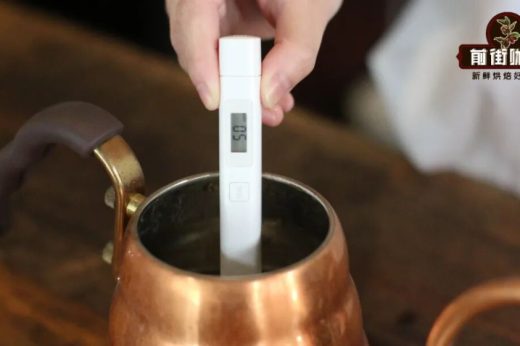
Pour-over coffee relies on a dripper; by controlling water temperature (typically 88-94°C), pouring speed, and technique, water evenly permeates the coffee bed, filters through paper, and drips into a server. The entire process is unpressurized, with extraction time generally 2-4 minutes. This slow drip method results in a clearer, more layered cup. Americano, if made with espresso, relies on high-pressure extraction, which retains oils (crema) and rich compounds, so even when diluted, it maintains a full-bodied mouthfeel and deep base.
< >
Flavor differences between pour-over and Americano using the same beans
Take an Ethiopian Huakui coffee bean as an example. Brewing it as pour-over and Americano reveals distinct flavor profiles. In the pour-over experiment, using medium-fine grind (about 78% passing a #20 sieve), 90°C water, and a 1:15 coffee-to-water ratio, with a three-stage pour (30g bloom for 30 seconds, then adding water to 125g and 225g in stages), the total extraction time is about 2 minutes 8 seconds. The flavor shows fresh floral notes, berry and citrus acidity, with plum and mango juiciness, and a sweet red tea finish—rich, layered, clean, and refreshing.
< >
The base of Americano—espresso—uses a very fine grind (close to 0.1 setting), a 1:2 coffee-to-water ratio, and a 24-second extraction to yield 40g of coffee liquid. Its flavor presents medium-high acidity, medium sweetness, and smooth bitterness; the entry is dominated by citrus acidity, followed by berry aroma, with a finish of dark berries and caramel. To make it more suitable for daily drinking, the espresso is typically diluted at a 1:6.5 ratio (40g espresso + 260g hot water at 86°C) to make Americano. At this point, the flavor is softer, with light berry-like acidity, tropical fruit notes, and a warm creamy caramel finish.
< >
 >
Reasons for differences in mouthfeel and price between pour-over and Americano
In terms of mouthfeel, pour-over coffee is filtered through paper, removing most fine particles and oils, resulting in a cleaner, brighter, and more layered cup, ideal for showcasing delicate flavors like floral notes, fruit acidity, and sweetness. Americano, derived from espresso, retains more oils and rich compounds, giving it a fuller, more solid body with a flavor profile that tends toward intensity and roundness.
As for price, pour-over coffee is usually more expensive because it demands higher quality beans, precise grind, water quality, temperature control, and brewing skills; the process is time-consuming and labor-intensive, increasing labor costs. In contrast, Americano (especially machine-made espresso-based) can be produced quickly through standardized processes at lower cost.
< >
Conclusion: How to choose the brewing method that suits you?
If you prefer fresh, layered flavors and enjoy the subtle changes in coffee, pour-over is the better choice. If you favor a rich, full-bodied mouthfeel or want a quick pick-me-up, Americano is more suitable for daily drinking. Understanding the craftsmanship differences and flavor characteristics of both can help you make a more appropriate choice based on occasion and taste preferences.