How to Choose Japanese Dark Roast Coffee Beans: Mandheling vs. Blue Mountain and a Brewing Guide
Introduction: With its rich mouthfeel and distinctive aroma, dark roast coffee has long been a favorite among many coffee lovers. This article begins with the aroma characteristics, mouthfeel appeal, and sources of sweetness in dark roast coffee, then takes a deeper look at the flavor differences between Mandheling and Blue Mountain coffee, and offers practical brewing parameters and techniques for dark roast beans to help you brew a layered, sweet-finishing cup of quality dark roast coffee.
For many people who encountered coffee before the turn of the millennium, black coffee often meant a single note of bitterness, a taste deeply etched into memory. Unlike today's popular light roasts, which emphasize floral and fruity notes, dark roast coffee stands apart with its intense bitterness and complex aroma. Why does this seemingly "bitter" coffee still have so many devotees?
The answer may lie in the memories of an era. In the past, coffee's flavor was generally understood as a combination of "bitter, aromatic, and smooth," and this classic flavor was once a generation's taste benchmark. In addition, as a functional drink for refreshing the mind, coffee's bitterness was also seen by many as a price worth paying.
The appeal of dark roast coffee comes not only from memory but also from its unique sensory experience. First, the aroma of dark roast coffee is highly recognizable, blending multi-layered notes of nuts, caramel, roasted chestnuts, cream, and spices; this complex aroma is often the first door through which people enter the world of coffee.
Second, the mouthfeel that dark roasting brings is hard for light roast coffee to match. Classic dark roast beans like Mandheling in particular can give the palate a full, smooth body; this "sense of volume" makes every sip of coffee feel present.
More importantly, dark roast coffee is not only bitter. Many seasoned coffee lovers can pick up subtle sweetness in it, for example, the caramel and maltose sweetness that faintly emerges beneath the interwoven nutty and cocoa bitterness. This balance of "sweetness within bitterness" is what is meant by "comfortable bitterness," and it is also the reason for the charming sweet finish after swallowing the coffee.
For people who dislike acidity, dark roast coffee is often the safer choice. During dark roasting, acidic substances are greatly reduced and replaced by roast-type aromas, such as the sweet notes of dark chocolate, almond, caramel, and maple sugar. However, dark roast beans also present challenges—because of the long roast time and strong caramelization reactions, improper parameter control can easily release too much bitter and off-flavor, masking the sweetness that should be there.
To highlight the sweetness and balance of dark roast coffee,  it is recommended to use a slow-flow dripper with a medium-coarse grind, while keeping the water temperature at around 88°C to reduce the risk of over-extraction. A coffee-to-water ratio of 1:15 is suggested, with a brewing time of about 2 minutes; through gentle small-circle pouring, gradually draw out the coffee's richness and sweetness.
Take the classic Golden Mandheling as an example; the flavor characteristics of this dark roast bean include herbal, dark chocolate, caramel, nut, and pine notes. To fully express its rich character, it is recommended to use a dripper design with lower ribs to extend the contact time between water and grounds and improve extraction evenness and mouthfeel fullness. In addition, dark roast beans are looser in texture and highly absorbent, so special attention must be paid to matching grind size and water temperature to avoid the bitterness caused by over-extraction.
The best flavor period for Golden Mandheling is usually 4 to 7 days after roasting, during which the coffee's aroma and flavor are at their most vivid. It is recommended to brew freshly roasted coffee beans as soon as possible after receiving them to experience their best state. After more than a month and a half of storage, the beans may gradually develop woody off-flavors that affect the overall performance.
Specific brewing parameters are suggested as follows: water temperature controlled at 87–88°C, 15 grams of coffee grounds, a coffee-to-water ratio of 1:15, and a medium-coarse grind with a 70% pass rate through a Chinese standard No. 20 sieve. Use a three-stage pouring method—first pour 30 ml for blooming to awaken the coffee grounds; second pour 100 ml to bring out the coffee's golden foam and lift the coffee bed; third pour 95 ml gently in the center to ensure full flavor extraction. After brewing, gently swirl the coffee liquid in the server to make the flavor more balanced.
The finished dark roast Mandheling coffee should present intense spice and herbal notes, a solid and rich mouthfeel, accompanied by clear caramel sweetness and layers of nut and chocolate flavor, with a long sweet finish. This is not only a taste enjoyment but also a perfect interpretation of the appeal of classic dark roast coffee.
Overall, the appeal of dark roast coffee lies in its complex and balanced flavor structure—from the rich mouthfeel and captivating aroma to the layers of sweetness within bitterness and the long sweet finish, every part is worth savoring carefully. Whether you are pursuing a classic taste or are a beginner exploring the world of dark roast, you can find your own cup of "comfortable bitterness" by choosing beans reasonably and optimizing brewing parameters.
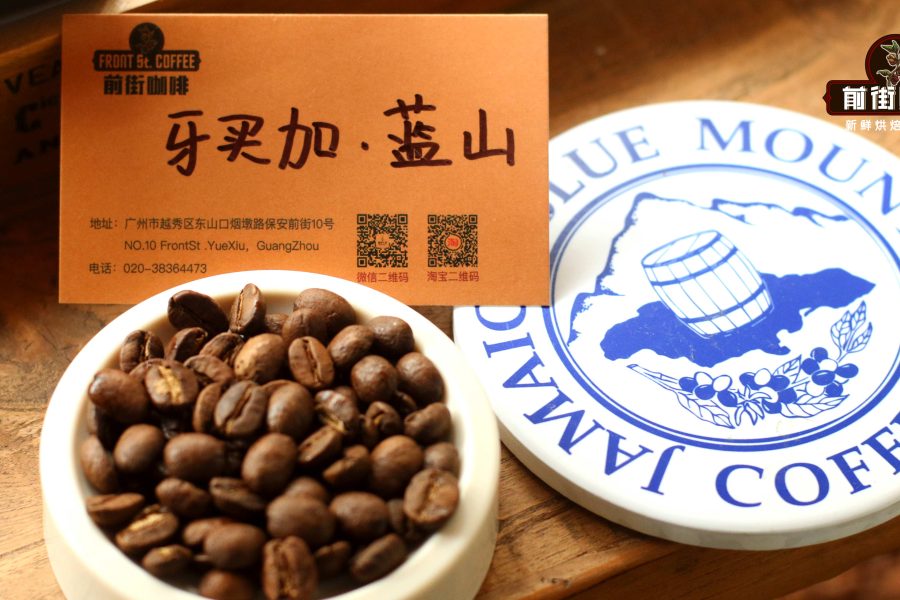
If you prefer to compare dark roast flavors from different regions, you might try the two classics, Mandheling and Blue Mountain. Mandheling is known for its strong herbal and earthy notes and full body, with pronounced bitterness and a notable sweet finish; Blue Mountain coffee, by contrast, is relatively mild, balanced in acidity and bitterness, rounder and more delicate in mouthfeel, and shows a more elegant dark roast character. Choosing the dark roast beans that suit your personal taste preferences will bring more possibilities to your coffee experience.