Coffee Bean Freshness Guide: Best Time to Drink After Roasting
Introduction: The aroma and flavor of coffee are closely tied to freshness, but not all 'freshly ground' coffee is fresh enough. From the completion of roasting to the optimal drinking window, coffee beans undergo a complex process of degassing and flavor transformation. This article explains how to judge freshness through roast dates and packaging design, interprets the scientific principles of the resting period, compares the optimal flavor period with the shelf life, and provides various storage solutions such as sealed canisters and one-way valve packaging, while revealing the fatal flaw of storing ground coffee.
Many coffee enthusiasts believe that freshly ground coffee equals fresh coffee, but this is not the case. To fully experience the aromatic layers of coffee, you need not only to grind fresh but also to pay attention to the timing of the roast.50 days after roasting is completed, the flavor compounds in coffee beans decline significantly; the first 14 days (after the resting period) are the peak flavor window, and within 30 days most of the quality characteristics are still retained. Only by mastering scientific storage and assessment methods can you unlock the full flavor potential of coffee.

Judging coffee bean freshness can start from three dimensions: first, check whether the packaging clearly indicates the roast date (rather than a vague shelf life), and prioritize products from roasters with professional credentials. Second, observe the packaging design—high-quality coffee beans often use one-way degassing valve bags (usually a raised circular valve on the front of the bag). Squeeze the bag and smell the valve: if it emits a rich caramel or nutty aroma, freshness is good; if there is a rancid or oily smell, it indicates over-oxidation. Finally, pay attention to the storage environment, avoiding direct sunlight and humid conditions, both of which accelerate flavor loss.

After roasting, coffee beans internally produce about 2% carbon dioxide, and these gases need time to be slowly released through the one-way valve. This process is called 'resting' and is essentially the stage of internal pressure balance and aromatic substance integration. The resting period required varies significantly by roast level: light roast (such as Ethiopian Yirgacheffe) is recommended to wait 5-7 days for the floral and fruity notes to fully develop; medium-light roast (such as Colombian Huila) needs 3-4 days; medium-dark roast (such as Brazilian Santos) takes about 2-3 days; and espresso beans (dark roast), due to their dense structure, need about 15 days to stabilize degassing, otherwise high-pressure extraction can easily cause channeling, affecting crema and body. During the resting period, simply place the unopened coffee beans in a cool, dark place (20-25°C is ideal); there is no need to shake or accelerate degassing.

The optimal flavor period and shelf life are two concepts that are easily confused. The best flavor window for coffee beans begins after the resting period ends: the first 3-7 days are a flavor adjustment stage, followed by the golden period from day 4 to day 30, when acidity is bright, sweetness is prominent, and the finish is clean. After 30 days, floral and fruity volatile compounds gradually dissipate, leaving only the nutty and chocolate base notes from caramelization, eventually evolving into a woody character. Note that shelf life refers to the safe consumption period of coffee beans provided they are not contaminated (usually 6-12 months), but flavor quality has long since deteriorated significantly.

Proper storage directly affects the lifespan of coffee beans. Three practical solutions are recommended: the first is a sealed moisture-proof canister, using opaque glass or food-grade plastic containers with silica gel desiccant, stored in a stable environment at 18-22°C, away from the stove and refrigerator (the latter easily causes condensation to intrude). The second is a one-way degassing valve canister, which retains the original packaging's degassing function while isolating oxygen, suitable for short-term storage (7-10 days). The third is continued storage in the original packaging: if consumed within a short period (14 days), the original bag can remain unopened, but ensure the valve is intact and the outer seal is tightly closed—be especially wary of mold risk from excessive humidity during the rainy season. Regardless of the method, avoid direct light (UV rays destroy aromatic hydrocarbons).

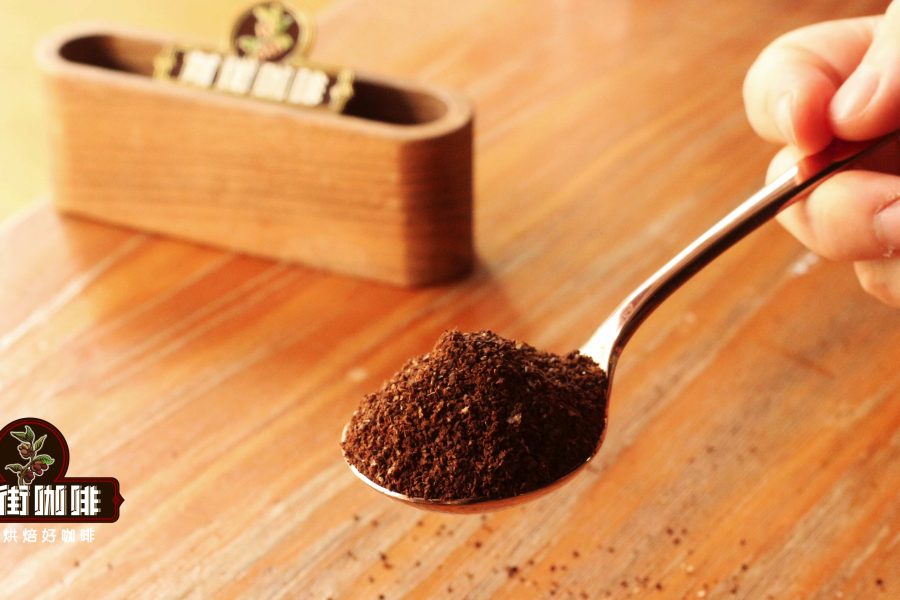
Two common misconceptions deserve particular caution: first, never put coffee beans in the refrigerator. Although low temperatures can slow oxidation, moisture in the refrigerator can seep into the packaging through tiny gaps, and the warm air outside when opening and closing causes condensation, which actually accelerates dampness. Second, absolutely avoid grinding in advance. After grinding, the surface area of coffee increases hundreds of times, and contact with oxygen instantly triggers oxidation; aromatic substances lose up to 60% within 15 minutes, and even sealed storage cannot restore the complete aroma matrix. It is recommended to grind fresh according to the brewing method: for pour-over coffee, use a medium-fine grind (e.g., Fuji R44 setting 8); for espresso machines, an extra-fine grind (similar to flour texture) is needed.