Coffee Bean Storage Guide: Peak Flavor and Freshness Tips
Introduction: The freshness of coffee beans directly affects the flavor of the final brew, but do you know how long a freshly roasted coffee bean's peak flavor period lasts? From the completion of roasting to the decline of flavor, and on to the considerations for long-term storage, this article takes an in-depth look at the core points of coffee bean storage, including how to avoid the damage caused by light, high temperatures, oxygen and moisture, how to choose a suitable storage container, and answers to the common question "why do newly roasted coffee beans need to rest," helping you better enjoy the pure flavor of every cup.
The flavor of coffee beans is inseparable from their degree of freshness, and the storage method is a key part of determining that freshness. Whether it is pour-over coffee or espresso, if you want to consistently extract the ideal flavor, understanding the shelf life and correct storage methods for coffee beans is essential. Generally speaking, coffee beans are divided into two stages: green beans and roasted beans, and the two have different requirements for their storage environment, especially roasted coffee beans, which are more susceptible to the influence of the external environment.

So, how long can coffee beans actually be stored? The answer is not simply one year or a few months. First we need to distinguish between two concepts: one is the "shelf life" and the other is the "peak flavor period." Roasted coffee beans, under proper storage conditions, can have a shelf life of up to one year (that is, 365 days), but this does not mean that they still have good flavor performance after a year. What truly affects the drinking experience is the coffee beans' peak flavor period—that is, the stage when the flavor is at its peak, which is usually between the 4th and 30th day after roasting is completed.

Freshly roasted coffee beans, when just out of the roaster, are filled with a large amount of carbon dioxide inside, and their flavor has not yet fully stabilized, so it is not recommended to brew them immediately. Many coffee enthusiasts find that if freshly roasted coffee beans just bought are used immediately, although the aroma is strong, the flavor is often not balanced enough, and may even carry a "grassy" or "burnt" note. This is because coffee beans need a period of "degassing" and "maturing" after roasting, a process generally called the "resting period," which usually lasts 3 to 7 days, after which the flavor gradually becomes stable and richer.

The "three killers" that affect the freshness of coffee beans are: light sources and high temperatures, humidity in the air, and oxygen. The first is light sources and high temperatures. Direct sunlight or proximity to heat sources (such as stoves or radiators) will accelerate the volatilization of aromatic substances in coffee beans, leading to a loss of aroma. So, no matter what kind of packaging is used, coffee beans should be kept away from high-temperature and strong-light environments such as windowsills and kitchen counters. If your coffee bean packaging has an aluminum foil lining, although it can effectively reflect some light, it cannot block heat, so it still needs to be kept away from heat sources.

The second is the humidity issue. Coffee beans themselves are dry, but if stored in a humid environment, even if the packaging is intact, moisture from the environment may seep in and cause the inside to become damp. Once coffee beans absorb moisture, they are not only prone to mold but also develop off-flavors, seriously affecting flavor and mouthfeel. Therefore, coffee beans must be stored in a cool, dry place, away from areas with higher humidity such as washing machines and bathrooms.

Last and most important—oxygen. Oxygen is one of the main factors that causes coffee flavor to decline rapidly; it reacts with the oils and aromatic substances in the beans through oxidation, making the originally rich aroma and layering gradually become flat, and even producing a "cardboard" or "rancid" smell. Although we cannot completely block oxygen, we can effectively slow the loss of flavor by reducing the time and space in which it contacts the coffee beans. For example, after taking out beans each time, be sure to quickly seal the packaging or container to reduce the chance of oxygen entering.

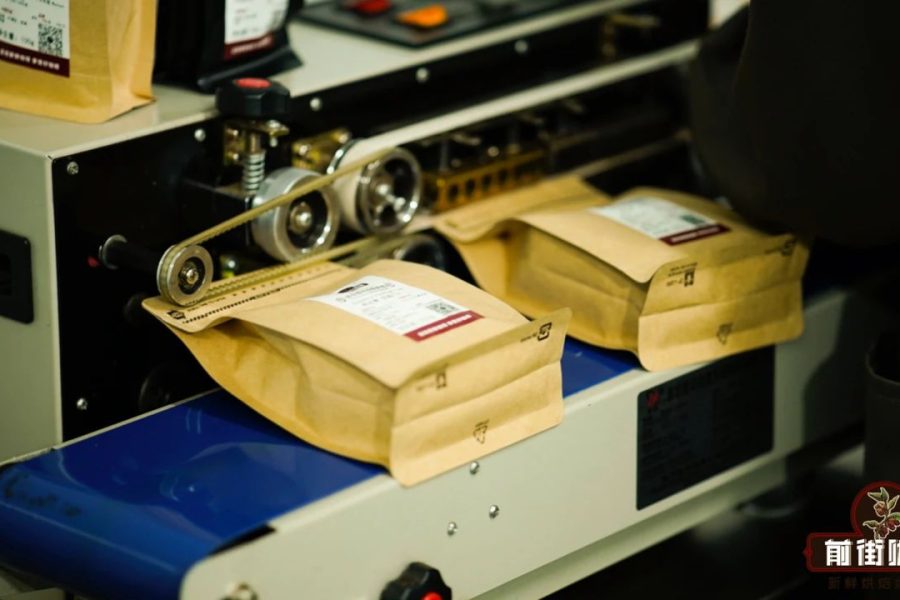
So, how should coffee beans be stored correctly? The most common practice is to use packaging bags with a one-way degassing valve. The design of this kind of packaging bag is very clever: when the beans release carbon dioxide, the air pressure inside the bag rises, and the gas can escape through the valve, while outside air cannot enter in reverse, thus avoiding oxidation while allowing degassing. If the coffee beans you buy come in this kind of packaging, you can store them directly before opening, but once opened, you should press the sealing strip as tightly as possible to slow the entry of gas and moisture.

Another recommended method is to use a vacuum-sealed canister. This type of container is usually equipped with a degassing button that can extract the internal air before sealing, creating a low-oxygen environment. The carbon dioxide released by the coffee beans inside the canister will be retained inside, surrounding the beans and providing a certain protective effect, thereby slowing the rate at which aroma is lost. A sealed canister not only seals well but is also convenient for daily access and for observing the remaining amount of beans.

When it comes to storage time, we need to be clear on one point: the "shelf life" and the "peak flavor period" of coffee beans are two different concepts. Generally, roasted coffee beans, under proper storage conditions, can have a shelf life of up to one year, but the flavor "golden period" is only about the first month, especially between the 4th and 30th day after roasting, when the flavor performance is at its richest and most balanced. Beyond this time, although it is still safe to drink, the aroma and layering will often be noticeably reduced.

As for whether coffee beans can be stored in the refrigerator, the answer is that it is not recommended. Although the temperature inside a refrigerator is low, the environment is humid, and frequently taking the beans in and out will cause too great a temperature difference, making water droplets easily condense on the surface of the coffee beans. Once this moisture adheres to the bean surface, it not only affects the uniformity of grinding but may also cause the coffee grounds to clump, and may even clog the grinder's burrs or breed bacteria, thereby affecting the quality of every subsequent cup of coffee.

Finally, in order to better enjoy the flavor of every cup of coffee, it is recommended to buy coffee beans in appropriate quantities according to your daily drinking frequency and avoid stockpiling too much at once. The ideal approach is to buy only one to two weeks' worth at a time, ensuring that every brew uses fresh beans within their peak flavor period. This not only gives better flavor but also avoids waste.

If the coffee beans at home have already passed their peak flavor period, there is no need to rush to throw them away. Although they are not suitable for drinking, you can grind them into coarse particles and place them in the refrigerator compartment or a pet rest area to use as a natural deodorizer, which is both eco-friendly and gives them a second use.


