How to Choose Medium-Roast Espresso Blends: Flavor and Roasting Explained
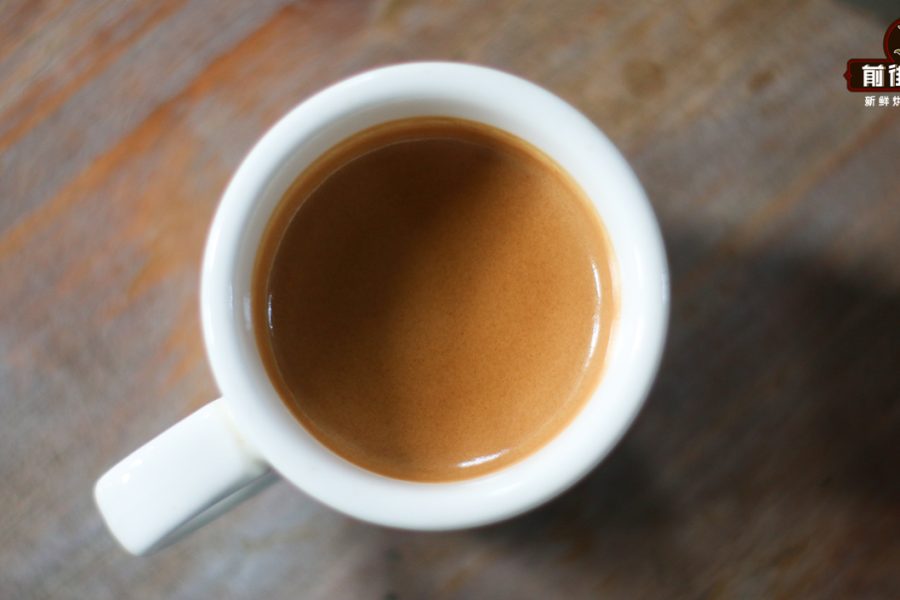
Introduction: To make a balanced, full-bodied espresso, choosing the right blend is key. How do medium-roast Italian-style beans balance acidity, sweetness, bitterness and crema performance? This article explains blending principles and roasting techniques in detail, and recommends four common medium-roast blend formulas to help you understand the flavor logic of professional coffee shops.
A high-quality espresso values balance more than a single prominent flavor. Whether pursuing a pure espresso or a milk-coffee base, medium-roast Italian-style blends have become the default choice for coffee shops thanks to their stable balance of acidity, sweetness and bitterness, full body and quality crema performance. Through multi-origin blending and precise roasting, these beans compensate for the flavor flaws of single origins and achieve stable quality year-round.

Professional baristas often use blending strategies to solve two core problems: first, single-origin beans may fluctuate in flavor due to seasonal changes; second, some origin beans inherently lack the complexity espresso requires—for example, overly bright acidity or a thin body. By mixing coffee beans from different origins (such as the common combination of South American and African beans), you can both strengthen sweetness and body and adjust the overall flavor direction through roast level.

A so-called Italian-style blend is essentially two or more green beans mixed in a specific ratio and then roasted (or roasted separately and then blended) to ultimately present a designed flavor profile. Early blends may have been simply for cost reduction, but blending under the modern specialty coffee system focuses more on precise control: for example, using high-acidity beans to brighten the overall flavor, pairing them with high-body beans to balance the mouthfeel, and then amplifying specific aromas (such as chocolate or caramel) through roast level.

Blending craft falls into two mainstream methods: "raw blending" and "roasted blending." Raw blending means mixing unroasted green beans directly in proportion and then roasting them together; its advantage is that the whole batch heats evenly and roasting consistency is high, but all green beans must have similar density (otherwise under-roasting or over-extraction is likely). Roasted blending means first roasting each origin's beans separately to the target degree and then mixing them in proportion; it preserves each bean's best flavor characteristics and suits recipes with high demands on single-origin character. In practice, most commercial blends use drum roasters for medium roasting (usually Agtron #55–#65), balancing extraction efficiency and flavor complexity.


The flavor characteristics of medium-roast Italian-style blends usually present as follows: on entry, a mild sweetness is felt first (caramel and toffee flavors from caramelization), followed by moderate nutty notes (such as almond and hazelnut); acidity is softened by roasting but still clearly present (commonly a citrus or red-berry finish), and it ends with a full body and lingering crema. These beans integrate extremely well with milk, suiting lattes, cappuccinos and other milk coffees, while also serving as a clean, balanced straight espresso.

For different scenario needs, common medium-roast blend formulas include:
• High-value commercial version: Brazilian beans (providing stable body and nutty notes) as the main component (60%–70%), paired with Colombian beans (adding acid-sweet balance and aromatic layers, 20%–30%), and a small amount of robusta beans (boosting crema volume, 5%–10%). Such formulas have low acidity, obvious sweetness and thick crema, suiting coffee shops with high-frequency daily output.
• Balanced specialty version: Brazilian (40%–50%) and Central American beans (such as Guatemala or Honduras, 30%–40%) as the core, supplemented with a small amount of Ethiopian natural beans (10%–20%) to add floral and fruity aromas. Roast level is controlled at the light-to-medium transition (around Agtron #60), highlighting the balance of caramel sweetness and mild berry acidity, suiting specialty coffee shops that emphasize flavor layers.
• Custom version for special needs: to strengthen chocolate flavor, increase the proportion of Sumatra or Yunnan beans (their earthy and spicy notes transform into deep chocolate body after medium roasting); to pursue brighter acidity, slightly adjust the Central American bean proportion and shorten roasting time (but ensure the whole remains within the medium-roast range).

When actually purchasing or blending, note: the best tasting window for medium-roast beans is usually 7–21 days after roasting (after the degassing phase ends); after opening, store sealed and away from light. Extraction parameters for reference—dose-to-yield ratio 1:2 (espresso), grind between medium-fine and fine (similar to granulated sugar particles), water temperature 90–93°C, pre-infusion 5–8 seconds followed by staged extraction for 25–30 seconds, total liquid weight about 30–36 ml. If used for milk coffee, extraction may be appropriately extended to 35 seconds to obtain more sweetness.

In summary, the core value of medium-roast Italian-style blends lies in "stability" and "balance"—through scientific ratios and precise roasting, the advantages of different origins complement each other, ultimately presenting a coffee base with coordinated acidity, sweetness and bitterness, full body and suitability for multiple scenarios. Whether for daily coffee shop output or advanced home brewing, understanding its underlying logic can help you more precisely choose or adjust a formula.