Where Does Coffee Sweetness Come From? A Guide to Pour-Over Parameters and High-Sweet, Low-Acid Beans
Introduction: Coffee sweetness is not only a matter of taste; it is also closely tied to aroma, roasting and brewing method. By understanding the factors that affect sweetness and mastering sound extraction techniques, you can bring out full sweetness even from an ordinary light roast. This article takes an in-depth look at where coffee sweetness comes from, recommends several high-sweet, low-acid flavor beans, and shares practical pour-over parameters to help you easily enhance the sweet, mellow experience of your coffee.
When we talk about the "sweetness" of coffee, we mean not only sweetness on the palate but also the sweet aromas picked up by the nose. A truly pleasant coffee flavor is often the result of balance between sweet aroma and fruity acidity, and roasting is an important part of regulating that balance.
From the moment a green bean starts to be heated until roasting is complete, sweetness is in fact one of the earliest flavor characteristics to appear, followed by the gradual release of acidity. According to the general pattern of flavor development, as roasting time lengthens and the roast degree gradually deepens, sweetness in coffee increases step by step and reaches a relative peak between medium and dark roast, then slowly declines. Therefore, if you want to highlight coffee sweetness, medium roast is often the ideal choice; beans in this range tend to have the most pronounced sweetness.
For ordinary consumers, although it is not possible to directly intervene in the roasting process, you can judge whether a coffee bean leans sweet by its flavor description. Generally speaking, if the flavor notes frequently mention sweet fruits with a slightly acidic undertone, such as melon, mango, guava, peach, sweet orange and dried fruit, along with descriptions of fermentation, sugariness or ripe fruit, this usually means the bean has more prominent sweetness. Conversely, if the flavors are dominated by strongly acidic fruits such as lemon, plum and prune, the acidity may be more obvious. If you are looking for coffee beans with outstanding sweetness, you may wish to refer to the following common high-sweet, low-acid flavor bean types:
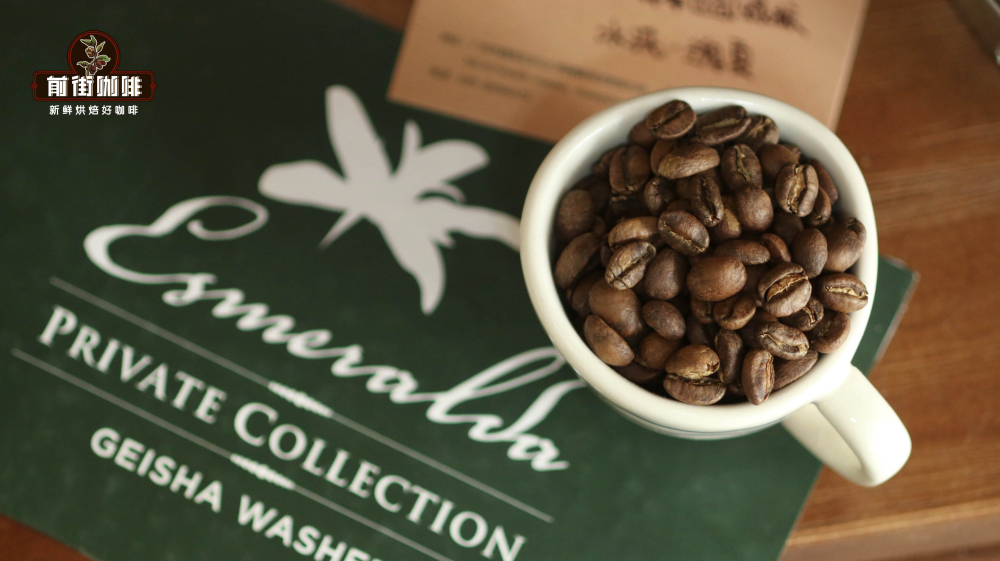
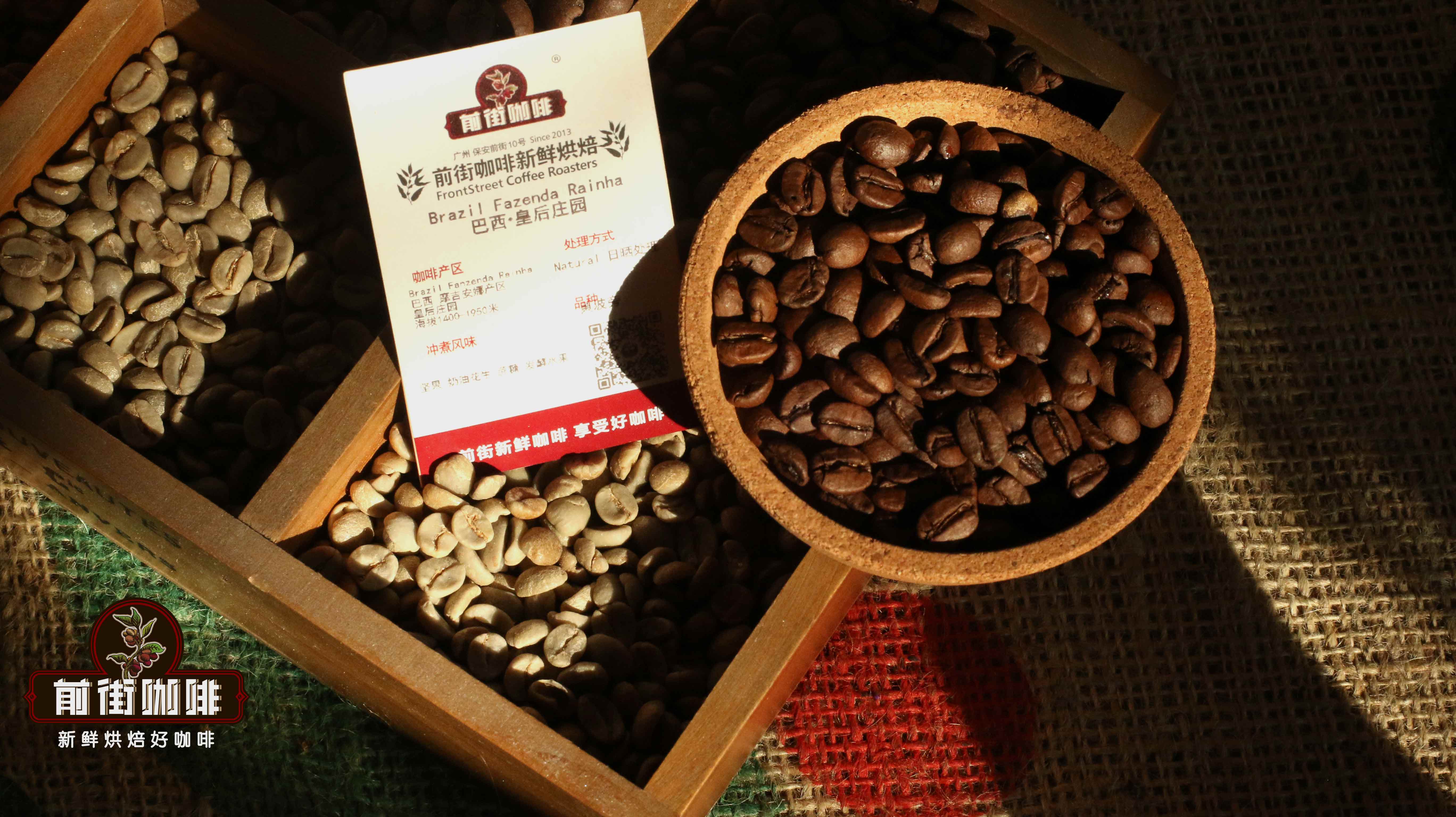
The first type is beans from Ethiopia, often dominated by floral and fruity flavors such as mango and guava, with a sweet tone of citrus and dried strawberry; the overall acidity and sweetness are harmonious, and the aroma is light yet layered. The second type is beans with Geisha characteristics, usually giving off the fresh fragrance of jasmine and melon while combining citrus, peach and a faint tea note; the mouthfeel is soft and clearly layered. The third type is dominated by raisin, osmanthus and sweet orange; it is sweet on entry with a relatively obvious fermented flavor, suitable for people who like a sweet, mellow taste. The fourth type leans toward a fuller-bodied flavor, often with chocolate, nut and cane sugar tones; the sweetness is steady and the sweet aftertaste is clear, suitable for drinkers who prefer low acidity and heavy sweetness.
It should be noted that the acidity of coffee is usually extracted earlier than the sweetness. The entire coffee extraction process can be roughly divided into three stages: the first stage is mainly the release of light-molecular substances, including floral aromas and bright fruity acidity; the second stage is the concentrated release of caramelization reaction products, bringing flavors closely related to sweetness such as vanilla, cane sugar, chocolate and nuts; by the third stage, large-molecular substances begin to emerge, which easily lead to unpleasant bitter, heavy or even woody tastes.

Therefore, if you want to brew a cup of coffee with outstanding sweetness, the key is to control the extraction process, extracting as much of the sweet substances as possible while suppressing excessive bitterness and off-flavors. Especially for light-roasted beans, you need to preserve their fresh floral and fruity acidity while enhancing overall body and sweetness, which requires precise control of each extraction stage.
So how can light-roasted coffee be brewed for sweetness? It is recommended to make comprehensive adjustments to the coffee-to-water ratio, water temperature, grind size and pouring technique. A common approach is to appropriately increase the coffee-to-water ratio (for example, 1:16), raise the water temperature by 1–2°C, and use multi-stage pouring to fully stimulate the sweet substances and balance the acidity. Next, take a honey-processed medium-light roast as an example to show how to optimize sweetness by adjusting parameters and technique.
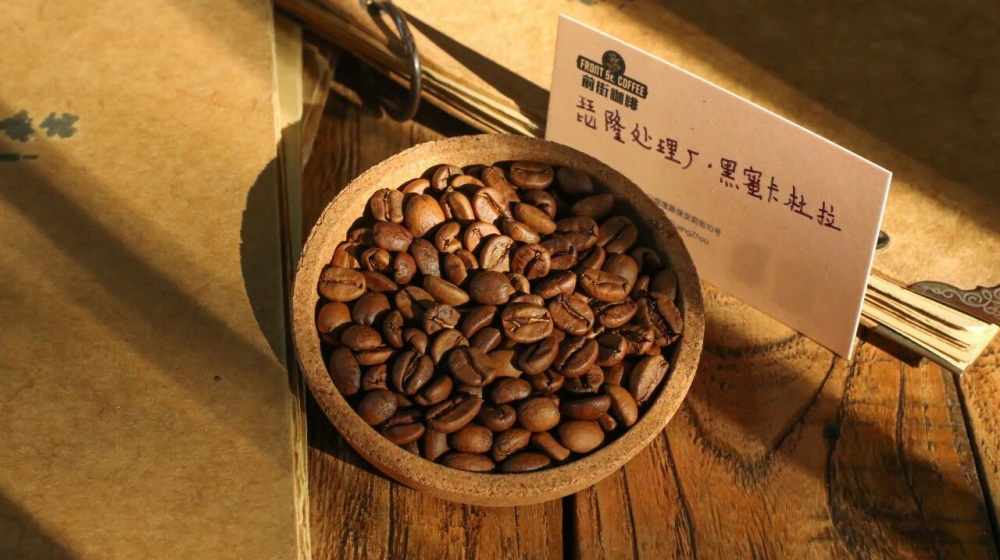
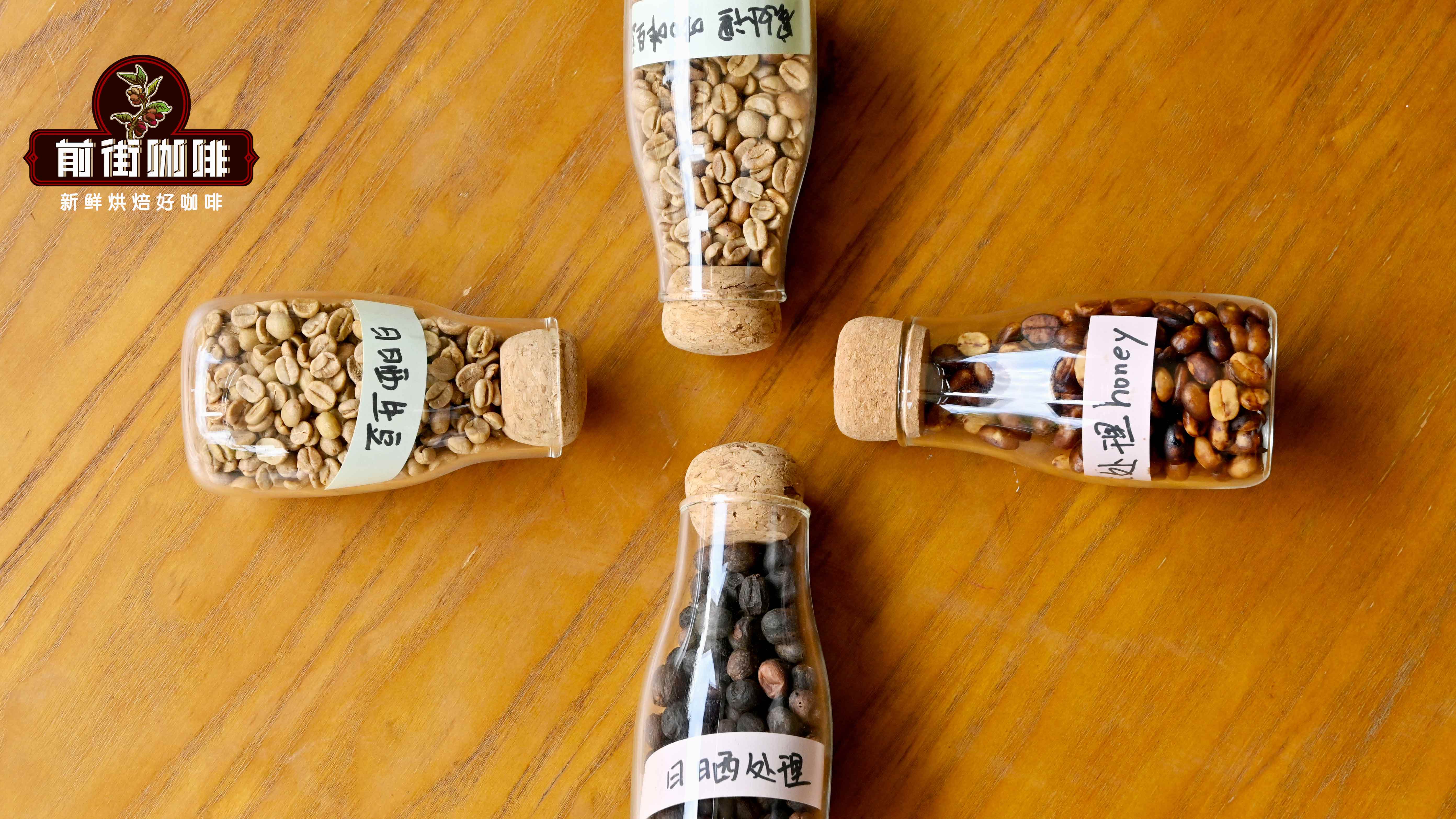
The example bean is honey-processed Caturra, which has clear sweetness potential. The specific parameters are suggested as follows: 15 g of coffee, a coffee-to-water ratio of 1:16, a conventional fine grind (for example, 10 on the EK43s scale), a V60 dripper, and a water temperature of 93°C. Pouring uses four stages: 30 g of bloom water, followed by three subsequent pours of 70 g each, for a total water volume of about 240 g, with the brewing time controlled between 2:10 and 2:15.
The first step is to pour 30 g of hot water for a 30-second bloom, ensuring all coffee grounds absorb water evenly and begin pre-extraction; 
After 30 seconds, with a small flow of about 4 ml/s, slowly pour the second stage of 70 g of water in clockwise circles from the center, aiming for the water level to rise to about 3/5 of the dripper height; this stage is completed at about 55 seconds, bringing the total water volume to 100 g; 
When the liquid surface is about to expose the coffee bed, begin pouring the third stage of 70 g of water, continuing with a small flow and a slightly wider circling range to bring out more sweet substances; the pouring time is about 1:15 to 1:20, and the total water volume is now 170 g; 
Finally, when the coffee bed is exposed again, pour the last stage of 70 g of water using a technique similar to the previous stage, taking care to control the flow so as not to overly disturb the coffee layer; this stage is completed at about 1:45, for a final total water volume of 240 g and a total time of about 2:12.
This brewing method can noticeably enhance the sweetness of the coffee; on the palate there are flavors of ripe fruit such as grape, sweet melon, sugarcane and blueberry jam, the acidity is softer, the body is fuller, and even after the temperature drops the sweetness remains prominent, with a delicate floral note possibly in the aftertaste. These parameters and techniques are not only suitable for a specific bean type but can also serve as a reference for other medium-light roasts, helping you find your own balance point for sweetness.