A Beginner's Guide to Bringing Out Sweetness in Pour-Over Coffee: 4 Beans and Parameters Worth Saving

Introduction: Want your coffee to taste sweeter? The key lies in the balance of acidity, sweetness and bitterness and in the extraction method. Sweetness does not exist on its own; it comes from bringing out the sweet compounds in coffee through proper extraction while controlling the ratio of acidity to bitterness. This article not only explains where coffee sweetness comes from and how it relates to roast level, but also recommends 4 beans with pronounced sweetness that suit beginners, and shares detailed brewing parameters and techniques for light-to-medium and medium-dark roasts to help you easily brew a sweeter, better-tasting cup.
Why do we pursue sweetness in coffee so eagerly? Sweetness stimulates the brain to release dopamine, bringing a pleasant and satisfying drinking experience. Compared with chasing acidity or bitterness alone, a cup with clear sweetness is often easier to accept and better shows coffee's layers and flavor appeal.
So where does coffee's sweetness actually come from? It rarely exists independently; it usually appears as an overall impression achieved by balancing acidity and bitterness. Light-roasted coffee, because of its lighter roast, contains fewer bitter compounds, and its sweetness relies more on bright fruit acidity, presenting fresh fruit notes like citrus and berries—sweet with vibrancy. Dark-roasted coffee, because caramelization is more complete, has relatively pronounced bitterness, and its sweetness is often combined with warm sweet aromas like caramel, brown sugar and maple syrup, presenting a fuller, richer flavor.

If you are just starting with pour-over and especially like sweeter coffee, the following four beans with distinct flavors and pronounced sweetness are ideal for beginners:
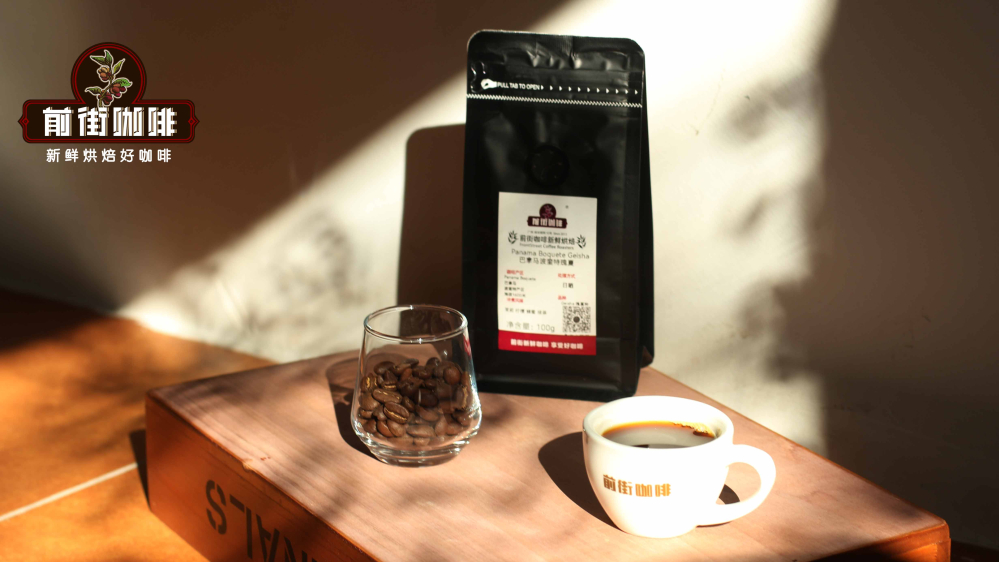
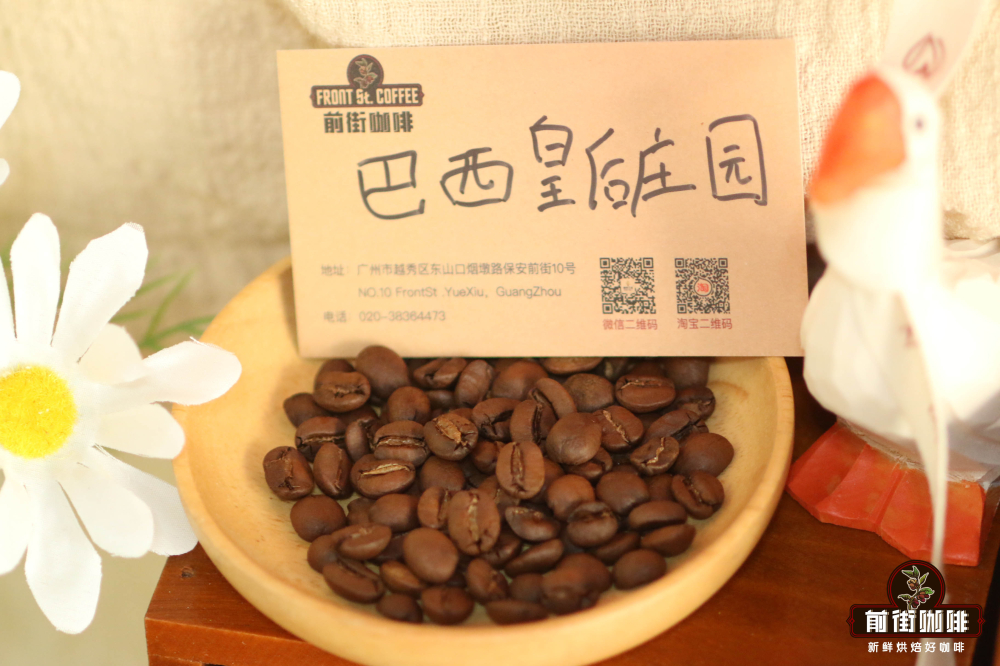
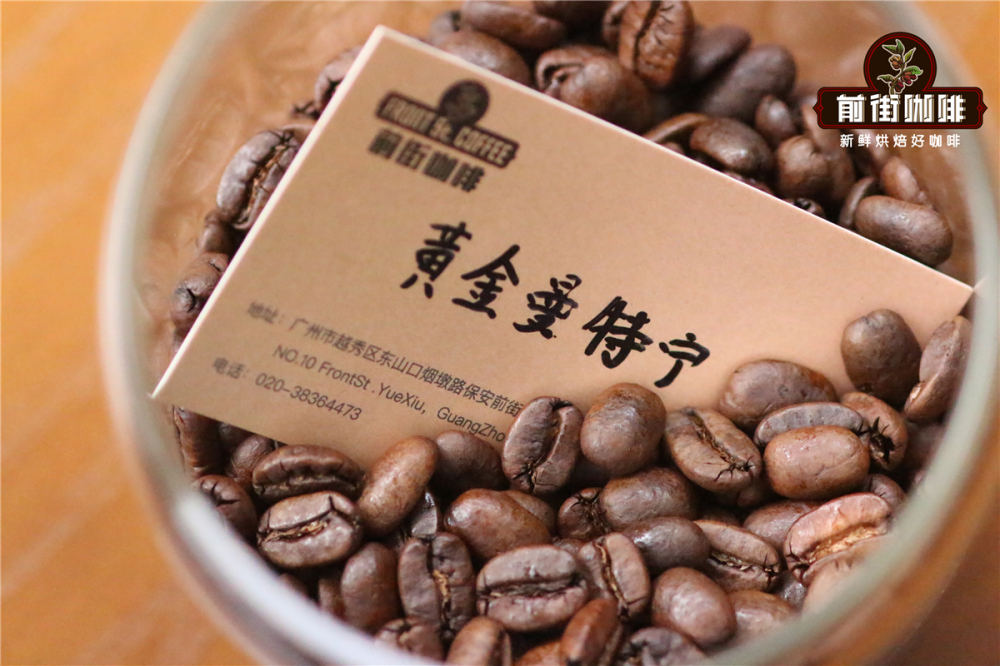
The first bean has fresh floral aromas and a honey-like sweet, smooth mouthfeel, often accompanied by bright sweet-tart notes of citrus and peach; it is clean and soft overall and very suitable for beginners experiencing sweetness for the first time. The second brings aromas of ripe fruit like raisins and osmanthus, along with creamy and fermented sweet notes; it is round on the palate with obvious sweetness. The third is a medium-dark roast, sweet with body, with clear chocolate and nut notes and a distinct, lingering finish. The last has classic caramel and spice aromas, with dark chocolate and pine interwoven, a rich, full mouthfeel and a long aftertaste.

Now that you understand where sweetness comes from and have a few recommended beans, let's look at how to strengthen sweetness by adjusting the brewing method. First, let's start with light-to-medium roasted beans.
Light-to-medium roasted beans are usually known for lively fruit acidity, with fresh floral and fruity flavors, and sweetness is often hidden behind the acidity. When brewing these beans, beginners often encounter under-extraction, leading to obvious sourness and astringency or a thin flavor. But over-extraction easily brings out bitter, muddy notes that mask the sweetness instead.
To highlight sweetness, the key is to release the mid-palate sweet compounds in the coffee. Generally, the ideal extraction range for light-to-medium roasts brings out bright acidity and soft sweetness while avoiding excessive bitterness. If you find your coffee too acidic and lacking sweetness, try the following adjustments:

First, raise the water temperature appropriately, about 2°C higher than usual; light-to-medium roasts are generally suited to extraction at 90–94°C, and higher temperature helps enhance sweetness and body. Second, try sifting out some coarse particles; with a home grinder, the proportion passing a 0.85mm sieve is usually around 80%, and removing overly large particles (coarse grounds) helps release sweet compounds faster and avoids the sourness caused by over-extracting the early stage. Third, control the water flow and rhythm during pouring, for example with a three-stage pour—one bloom (about 25ml), a first main pour (about 125ml), and a second top-up pour (about 90ml), with total water adjusted to the dose; for 15g of grounds, aim for about 240ml extracted. This effectively balances acidity, sweetness and bitterness.


For medium-dark roasted beans, because the roast is darker, bitter compounds are relatively abundant, and the flavor leans toward warm sweet aromas like caramel, chocolate and nuts. If handled improperly, these beans easily turn bitter and drawn-out, monotonous and dull, so the focus should be on "controlling bitterness and releasing mellow sweetness."
A "high concentration, low extraction" approach is recommended: increase the coffee-to-water ratio but do not extend extraction time excessively, thereby ensuring a certain body while avoiding excessive impurities and over-extracted bitterness. For the dripper, choose a slower-flow model such as the Kono dripper, which helps extend contact time between water and grounds and improves extraction evenness. For parameters, use a medium-fine grind with about 68% passing a 0.85mm sieve, a coffee-to-water ratio of about 1:13, and a water temperature of around 88°C; this temperature effectively suppresses the release of excessive bitter compounds while bringing out caramel and nutty sweetness.
In practice, first pour a small amount of hot water (about 30ml) for a 30-second bloom to awaken the grounds; then pour in gentle small circles, gradually adding up to about 195ml total water, avoiding vigorous agitation during pouring to keep the bed stable, and finally rely on steeping and immersion to complete extraction. This method gently brings out the caramel sweetness and nutty flavors of the coffee, making sharp acidity or excessive bitterness unlikely, and is rounder and more balanced overall.

Overall, to brew a cup with obvious sweetness, the key is to understand the balance among acidity, sweetness and bitterness, adjust your brewing strategy according to roast level, and fine-tune variables such as water temperature, grind size and pouring technique to find the sweetness expression that best suits your taste. Whether it is fresh fruit sweetness or mellow caramel sweetness, as long as you grasp the core logic of extraction, you can easily enjoy a sweet, charming cup of good coffee at home.