Sweet Pour-Over Coffee Beans & Yunnan Typica Flavor Guide
Introduction: Looking for a black coffee with natural sweetness? This article starts with the sources of coffee sweetness, analyzes the influence of processes such as natural and honey processing on sweetness, and, combining the differences between light-medium and dark roasts, recommends a variety of pour-over beans with a pronounced sweet-acid balance or caramel finish. It pays special attention to detailing the regional flavor characteristics of Yunnan small-bean Typica, helping you select beans precisely according to your taste preferences.
Coffee enthusiasts often discuss flavor differences: some prefer a rich bitterness, some favor a fresh fruity acidity, and there is another type that receives much attention—black coffee with pronounced sweetness. Even without adding sugar, this type of coffee can present a naturally sweet and smooth taste, originating from the sugars in the coffee beans themselves and the products of fermentation conversion.
Green coffee beans contain a small amount of natural sucrose, but in conventional roasting this is often masked by acidity or bitterness. The key to truly enhancing sweetness comes, on the one hand, from the ripeness of the coffee cherry: fully ripe red cherries have higher sweetness, so lots processed from all-red cherries usually have more pronounced sweetness; on the other hand, the more kinds of enzymes and microorganisms participating in reactions during the fermentation stage, the easier it is to generate aromatic substances resembling caramel and honey, and these components are directly related to our perception of sweetness.

The processing method has a significant impact on sweetness. Common high-sweetness processes include the natural method (dried in sunlight throughout, preserving the sugars of the fruit pulp), black honey processing (retaining most of the mucilage layer for fuller fermentation), and anaerobic natural (controlling an oxygen-deprived environment to accelerate the activity of specific microbial communities). Compared with the clean and refreshing character of washed processing, these three methods better highlight sweet, smooth layers, and are especially suitable for people who like fruity notes or a caramel finish.
The degree of roast is likewise a core variable in regulating sweetness. Light roasts (such as the early stage of city roast) tend to amplify acidity, dark roasts (such as the range commonly used for French press) strengthen bitterness and charred notes, while medium roasts (roughly from the dense stage of first crack to its end) often reach the balance point between acidity and bitterness; at this point caramelization is moderate, which can bring out a nutty foundation while also highlighting the sweet base notes of the sugars.

Divided by flavor tendency, sweet coffees fall roughly into two categories: one centered on sweet-acid balance, highlighting bright fruit aromas and fermentation sweetness; the other emphasizing interwoven bitterness and sweetness, relying on a base of nuts and chocolate to set off a caramel finish. Below are representative beans recommended by style, with practical brewing references noted.
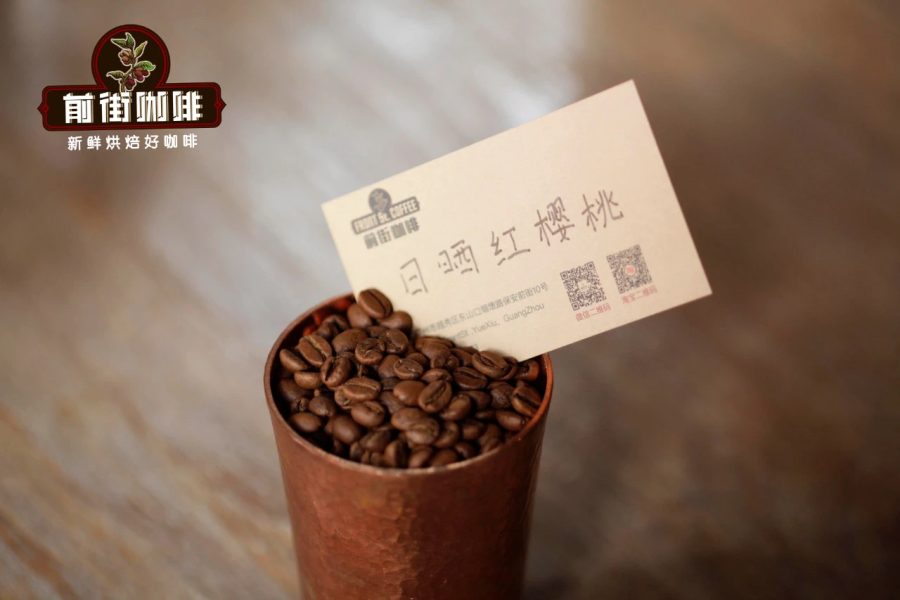
Representatives of the sweet-acid type: Natural Red Cherry (Ethiopia, Yirgacheffe region), processed by the natural method from all-red cherries, with a light-medium roast preserving a distinct berry note. Brewing suggestion: water temperature 90-92°C, 1:15 coffee-to-water ratio, staged pouring to highlight citrus and grape-juice notes. A two-origin blend (Panama Geisha + Costa Rica honey-processed), medium roast balancing floral-fruity and caramel aromas, suitable for users seeking a rose-honey charm. Raisin honey process (Costa Rica, Mozart), with slow fermentation creating a sweetness like Kyoho grapes, and a light-medium roast strengthening the vinous aroma and fermentation layers.

Representatives of the bitter-sweet type: Yellow Bourbon (Brazil, Queen Farm), where natural processing gives a nutty and creamy foundation, and a medium roast highlights sucrose sweetness, compatible with brewing in a variety of devices. Yunnan Typica (Lincang region), a high-quality Arabica variety grown at high altitude, releases plum, candied fruit, and yellow-sugar flavors after natural processing and medium roasting, with distinctive regional character. Both of these finish with dark chocolate and caramel, suitable for drinkers who prefer a rich, sweet aftertaste.

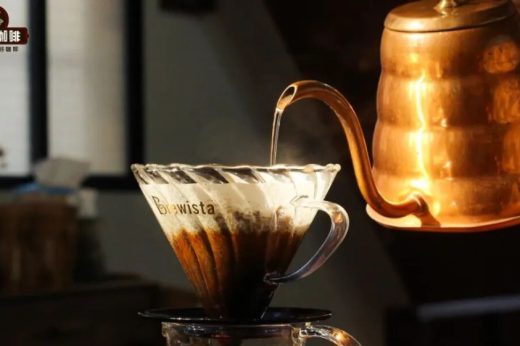
Note that the flavor performance of the same bean is directly affected by brewing parameters. For example, too fine a grind easily leads to over-extraction, with bitterness suppressing sweetness, so it is advisable to adjust according to roast level (medium-roast beans usually use a medium-fine grind, about 70%-75% passing through a No. 20 sieve); too high a water temperature may scald delicate flavors (88-90°C is suggested for light-roast beans, 90-92°C for medium roast), while too low a water temperature makes it difficult to draw out the sugars. In addition, the pouring rhythm and blooming time also affect the release of sweetness; even pouring and maintaining an appropriate bloom (usually 30-45 seconds) help fully extract flavor precursors.

In summary, searching for sweet pour-over beans can start from three aspects: give priority to high-sugar-retention processes such as natural/honey, keep the roast level in the light-medium to medium range, and pair with reasonable brewing parameters. If you love fresh fruity sweetness, try beans with prominent berry notes; if you prefer a rich, sweet aftertaste, focus on dark or medium roasts with a nut-and-chocolate base. The Typica variety from the Yunnan region, by virtue of its unique terroir, also provides a regional sample of sweet coffee that differs from traditional origins.