Hand Grinder vs Espresso: Key Differences and Popular Pour-Over Beans
Introduction: From grinding methods to extraction principles, this is an in-depth comparison of the core differences between hand-ground pour-over coffee and espresso machines. It explains in detail the bean characteristics required by each method, includes flavor guides for pour-over beans from classic regions such as Ethiopia's Yirgacheffe and Costa Rica's Tarrazú, and offers practical brewing parameters to help you find the coffee experience that suits you.
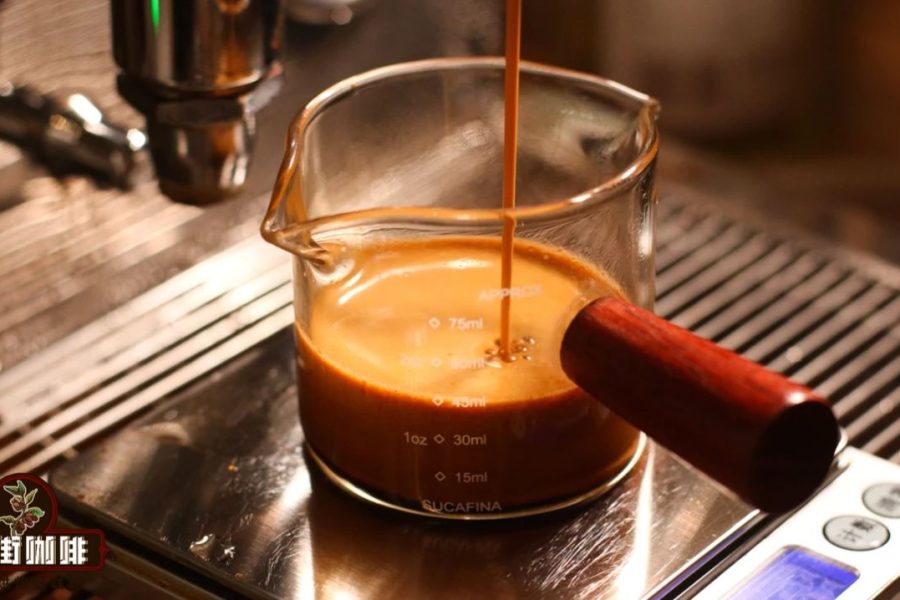
What is the essential difference between hand-ground coffee and machine-made coffee? Take the most common espresso machine as an example: these devices use extremely fine coffee grounds (nearly powder-like) tamped into a puck, then use a high-pressure environment of 9–10 atmospheres to force hot water through the dense puck in 25–30 seconds, extracting a highly concentrated coffee liquid. The golden-brown crema formed during this process is not only the signature feature of espresso; its thickness and color also directly reflect the coffee's freshness and roast quality.

The best partner for espresso is usually medium-dark roasted beans—this roast level can withstand the intense environment of high-pressure extraction while also producing rich nutty and chocolate flavors through caramelization. In practice, it is recommended to use commercial blend beans with an even roast level; if you want to recreate espresso flavor at home, first try Brazilian beans with a roasted nut base, or Sumatra blend beans infused with spice notes. After brewing, adding different proportions of water, milk or syrup can yield more than ten classic drinks such as americano, latte and cappuccino.


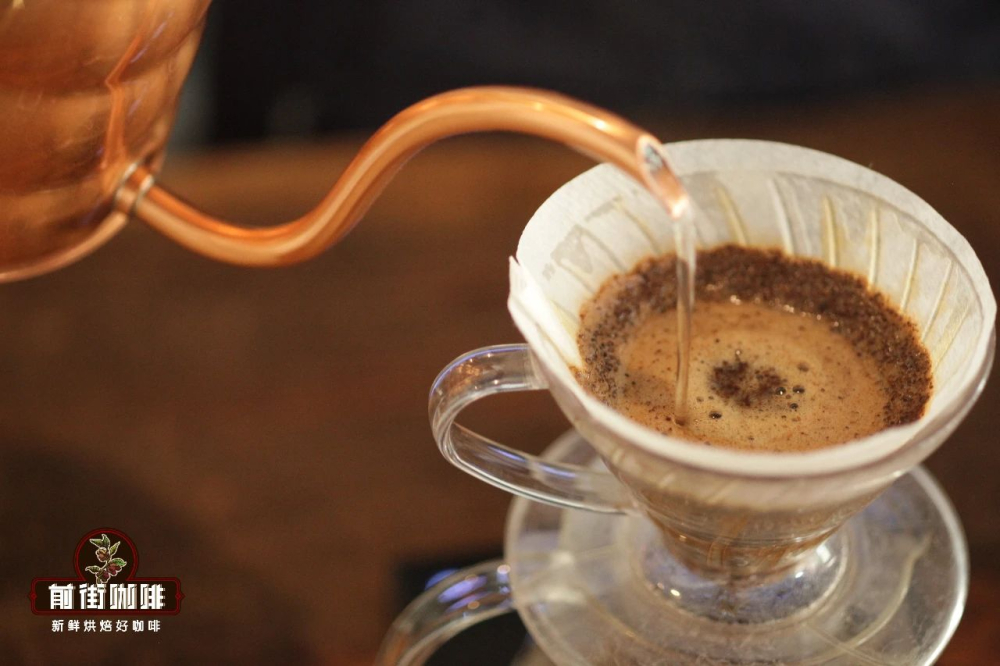
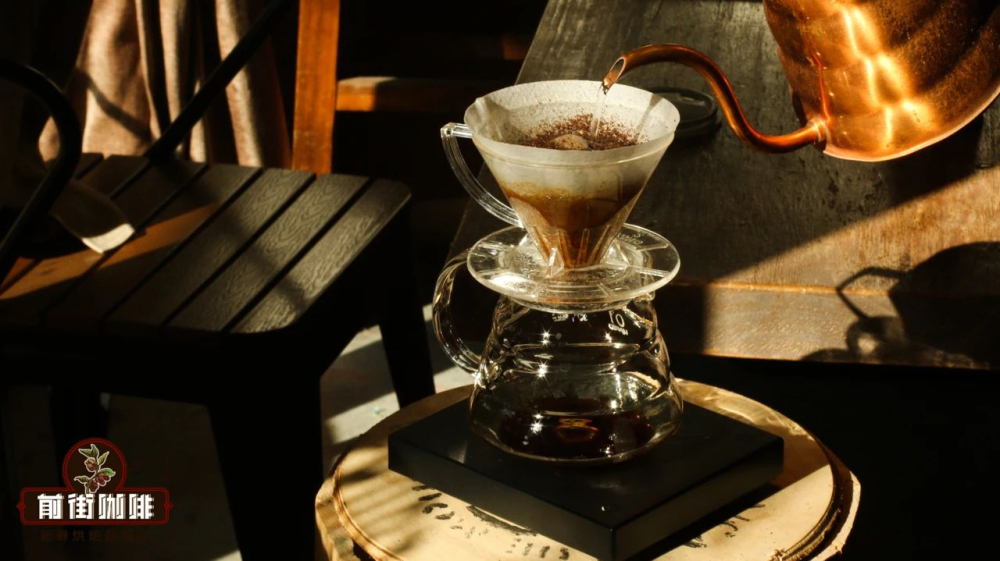
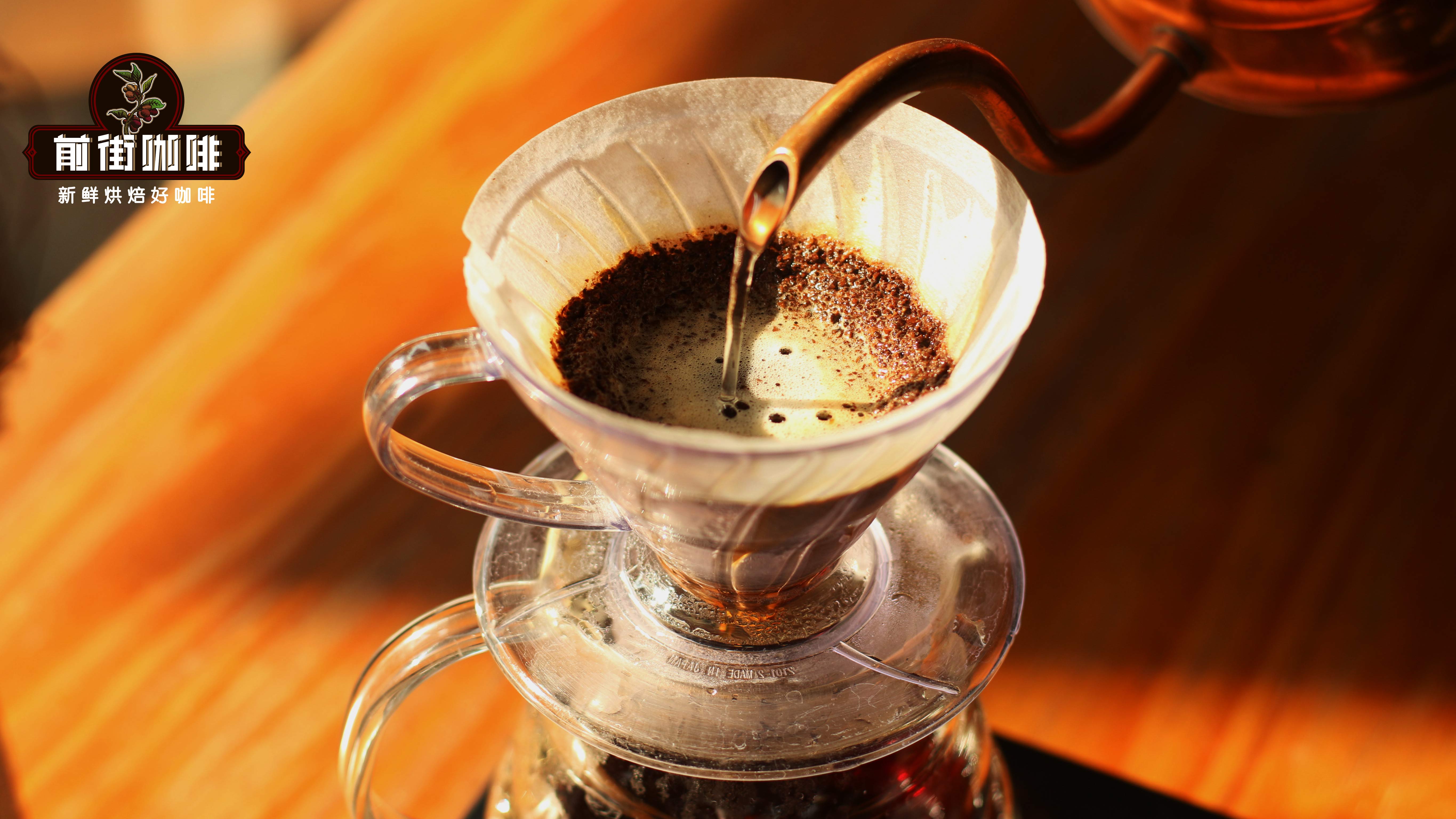
The most common form of hand-ground coffee is pour-over, whose core difference is that it does not rely on mechanical pressure and extracts flavor compounds only by slowly steeping hot water through the coffee grounds. This extraction method places higher demands on grind size (usually granulated to fine granulated sugar size), water temperature (90–96°C) and flow control. Basic equipment should include: a pour-over kettle that can steadily deliver hot water at 88–92°C, a V60 or wedge-shaped dripper (with matching filter paper), a digital scale accurate to 0.1 g, a thermometer, and a grinder (conical burrs are recommended for more even particle distribution). Note in particular that the pre-infusion (bloom) step before pouring is crucial—pouring 1.5–2 times the coffee dose in water and letting it sit for 30 seconds effectively activates the coffee's degassing process and lays the foundation for subsequent extraction.

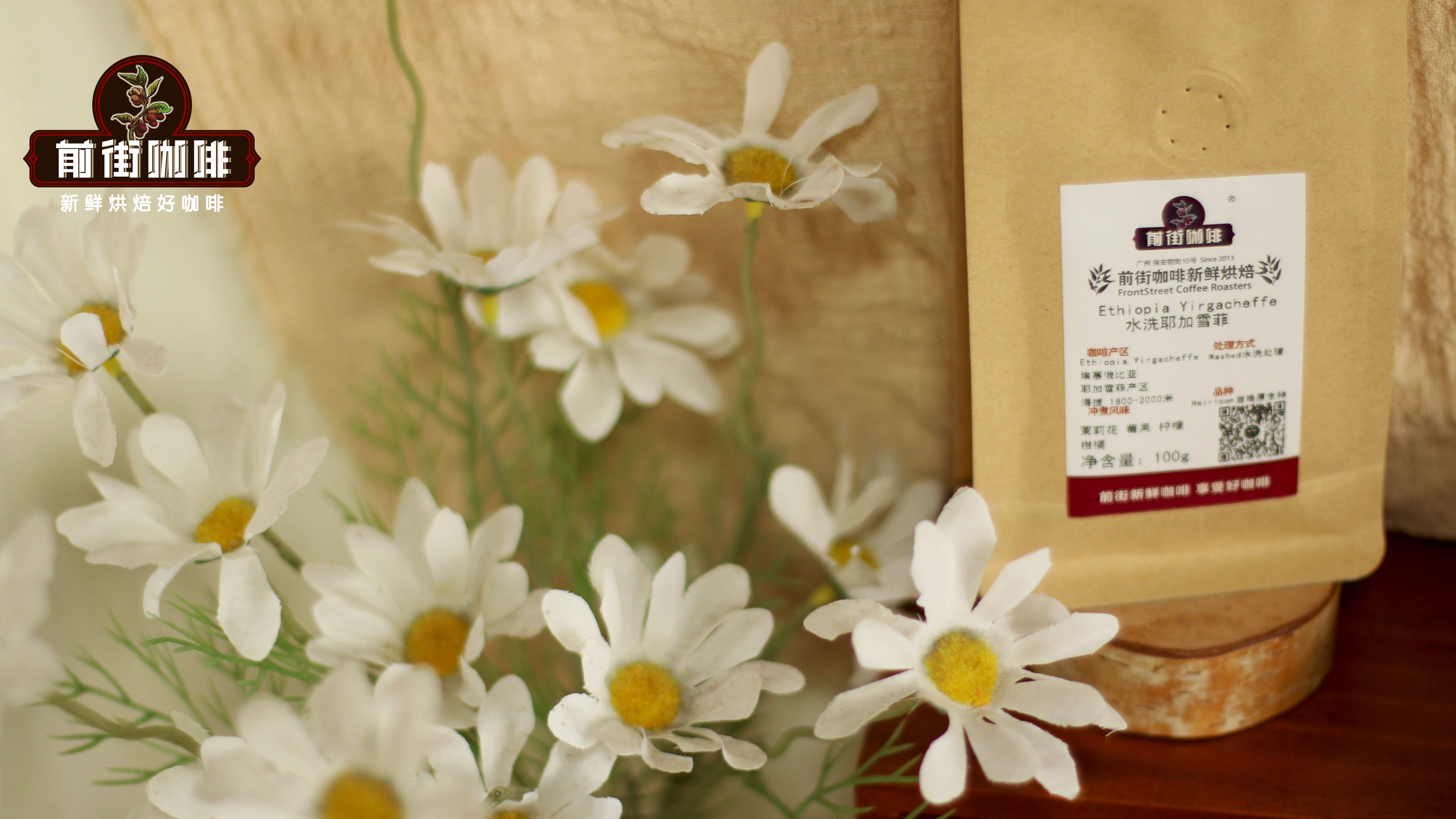
Ethiopia's washed Yirgacheffe beans are an ideal entry choice for pour-over beginners. The local heirloom varieties grown at 1,800–2,000 meters retain bright citrus acidity and jasmine aroma after washed processing. Recommended brewing parameters: set the grind to 10 on an EK43 grinder (about 80% passing a No. 20 sieve), a coffee-to-water ratio of 1:15, and use a staged pouring method—first pour 30 g of water and bloom for 30 seconds, then pour a total of 220 g of water in two stages (95 g first, then 125 g), with total extraction time kept within 2 minutes 10 seconds. This method highlights its signature citric acidity and tea-like refreshing finish.

The Caturra/Catuai hybrid beans from Costa Rica's Tarrazú region, by contrast, show the sweet dimension of pour-over coffee. The 1,500-meter altitude gives them a full, weighty mouthfeel and a honey-like body, while washed processing further strengthens caramel and nutty sweetness. Recommended parameters: a slightly coarser grind than Yirgacheffe (about 11), a coffee-to-water ratio kept at 1:15, but increase the first pour to 40 g for the bloom, then pour in three stages up to 225 g of water, with total time extended to 2 minutes 15 seconds. This adjustment balances its natural sweet-orange acidity with a dark chocolate finish, and is especially suitable for those who prefer low-acid coffee.

For drinkers who like a full-bodied mouthfeel, Sumatra's Lintong Mandheling from Indonesia (wet-hulled processing) is a choice not to be missed. The Typica variety grown at 1,100–1,600 meters develops a distinctive herbal aroma and pine-wood notes after the unique wet-hulling process. Note: this category often shows hoof-shaped cracks (a normal phenomenon). For brewing, it is recommended to switch to a Kono dripper (to slow the flow rate), adjust the grind coarser to 11–12 (close to coarse granulated sugar), and lower the water temperature to 87–88°C to avoid over-extraction. Specific steps: after blooming with 30 g of water, pour in a slow circular stream up to 225 g, with total time strictly controlled at 2 minutes, to maximize its dark chocolate base and caramel sweetness.