Pour-Over Bean Guide for Beginners: 6 Continents and Brewing Parameters
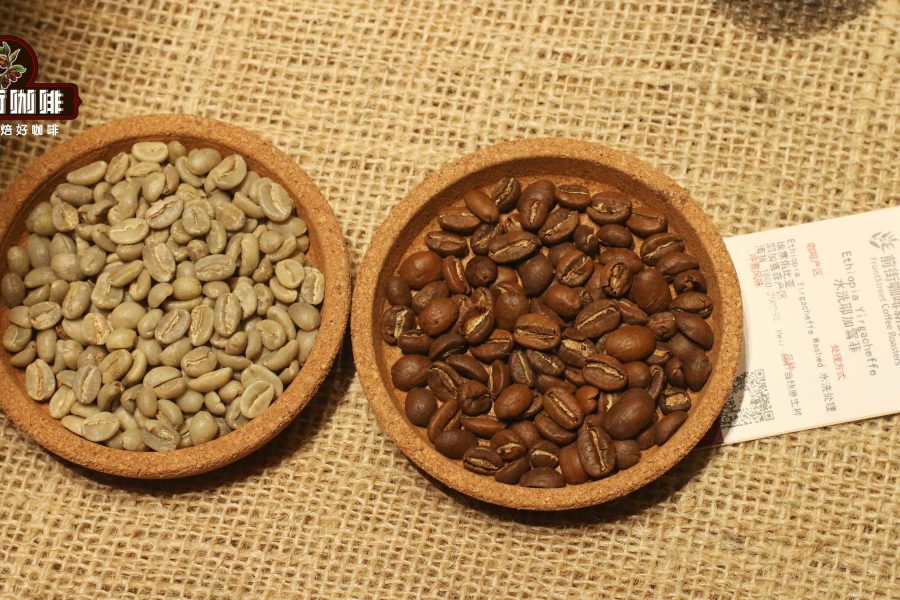
Introduction:This article explains the flavor characteristics and origin backgrounds of representative pour-over coffee beans from six continents, covering specialty bean choices from Africa's Yirgacheffe to Asia's Yunnan small-bean coffee, and provides a scientific analysis of key extraction parameters such as coffee-to-water ratio, water temperature and grind size. It also includes the full pour-over workflow and reminders about common mistakes, helping beginners quickly build a flavor framework and find an entry-level bean suited to their own taste.
Pour-over coffee (also called drip coffee) originated from the innovative design of Melitta Bentz in Germany in 1908; the paper-filter drip method she invented is still a mainstream home coffee-making method today. This method, which extracts coffee liquid by controlling the flow rate of hot water, can clearly reveal the unique terroir characteristics of different producing regions.
[African Region: Representative of Bright Fruit Acidity]
Ethiopia's Yirgacheffe region is known for its high altitude of about 2,000 meters and garden mixed-planting model; the large temperature difference between day and night encourages coffee beans to accumulate more aromatic substances.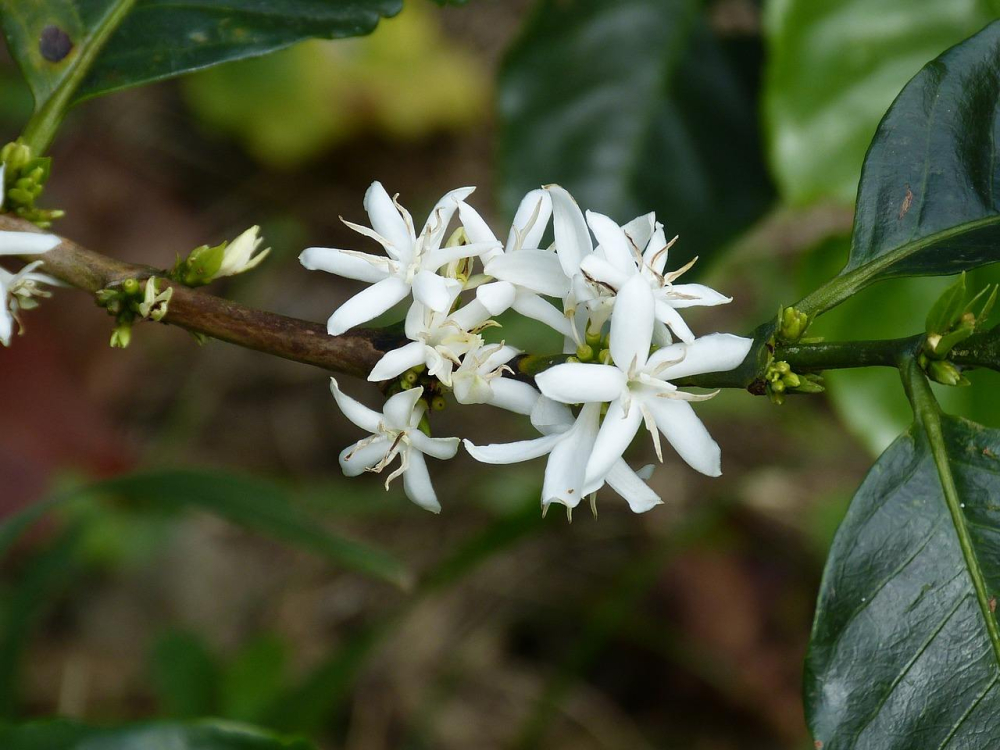 Its washed processing gives the coffee a clean and translucent lemon and citrus character, often accompanied by a fresh green-tea-like finish (
 ). Coffee beans from this region generally have distinct white floral aromas and bright acidity, making them the top introductory choice for experiencing the typical flavors of African beans.

[American Region: A Balanced and Full-Bodied Choice]
Coffee trees in Colombia's Huila region are mostly planted under shade trees such as banana trees, and the humid, slightly cool environment allows the beans to mature slowly and accumulate rich chocolate and nutty flavors. After washed processing, the coffee shows layers of a dark chocolate base with soft fruit acidity (
 ). Brazil's Cerrado region, due to low-altitude sun-exposed cultivation, develops a low-acidity, high-body character with prominent nut and caramel aromas (
 ).
[Asian Region: A Model of Diverse Processing Methods]
Costa Rica's Tarrazú region strictly prohibits the use of pesticides, and its washed coffee has a distinct composite flavor of sweet orange and berries. China's Yunnan small-bean coffee is mostly washed; after medium roasting it shows a balanced character of nuts and brown sugar (
 ). Indonesia's Sumatra Mandheling coffee pioneered the wet-hulling process,
 creating a unique herbal spice aroma, suitable for drinkers who prefer a heavy body (
 ).
[Analysis of Key Pour-Over Parameters]
The six core factors affecting extraction include: freshness (beans roasted within 5 days are recommended), grind size (particle size directly affects the speed of water penetration), coffee-to-water ratio (1:15 is commonly used to balance strength and flavor expression), water temperature (usually controlled at 90-94°C), pouring technique (staged pouring maintains even extraction) and extraction time (the complete process takes about 2 minutes). Among these, the carbon dioxide and aromatic substances released during the bean-resting period significantly affect the initial flavor performance.
[Standard Brewing Workflow Demonstration]
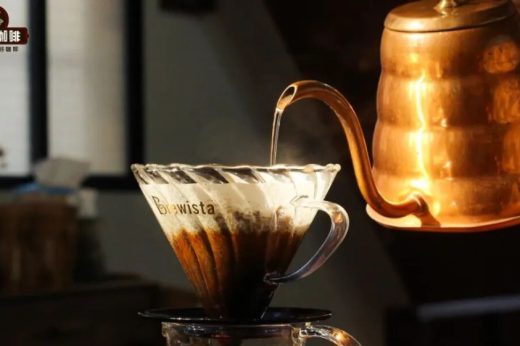
The three-stage pouring method is recommended: first use twice the weight of the coffee grounds in water (e.g. 40 ml water for 20 g grounds) for a 30-second bloom to activate; then pour in a small stream in circles up to the 125 ml water level, and when the bed has dropped to the middle of the dripper, continue pouring to 225 ml to complete extraction. Be careful to maintain 93°C water temperature and medium-fine grind (similar to fine granulated sugar); the final coffee liquid should finish dripping within 2 minutes to ensure the ideal strength (
 ).