How to choose SOE coffee beans vs. pour-over beans: flavor differences and home brewing guide
Introduction: Want to understand the core differences between SOE coffee beans and single-origin pour-over beans? From extraction principles and flavor expression to home parameter adjustments, this article explains in detail the differences between single-origin espresso beans and pour-over beans, recommends several high-quality coffee beans suited to different roast levels, and provides practical extraction advice to help you find the flavor you love.
In the specialty coffee world, single-origin espresso (SOE) beans have gradually become a new favorite among coffee enthusiasts, thanks to their distinct regional character and bright acidity. Unlike traditional blends that pursue balance, SOE focuses on the terroir of a single origin, releasing unique flavors through high-pressure espresso extraction. So what are the essential differences between SOE and common pour-over single-origin beans? And how should you choose and adjust them in a home setting?
In terms of extraction method, the two are fundamentally different.SOE uses the high-temperature, high-pressure environment of an espresso machine (90-96°C water temperature, 9-10 atmospheres), rapidly extracting about 30 ml of espresso in 20-30 seconds; this pressurized extraction fully draws out the aromatic compounds and oils in the coffee grounds. Pour-over coffee, by contrast, relies on hot water slowly permeating at normal pressure (usually 88-94°C water temperature, 2-3 minutes of pouring), releasing soluble flavors through drip filtration, with more emphasis on gentle extraction and layered balance.
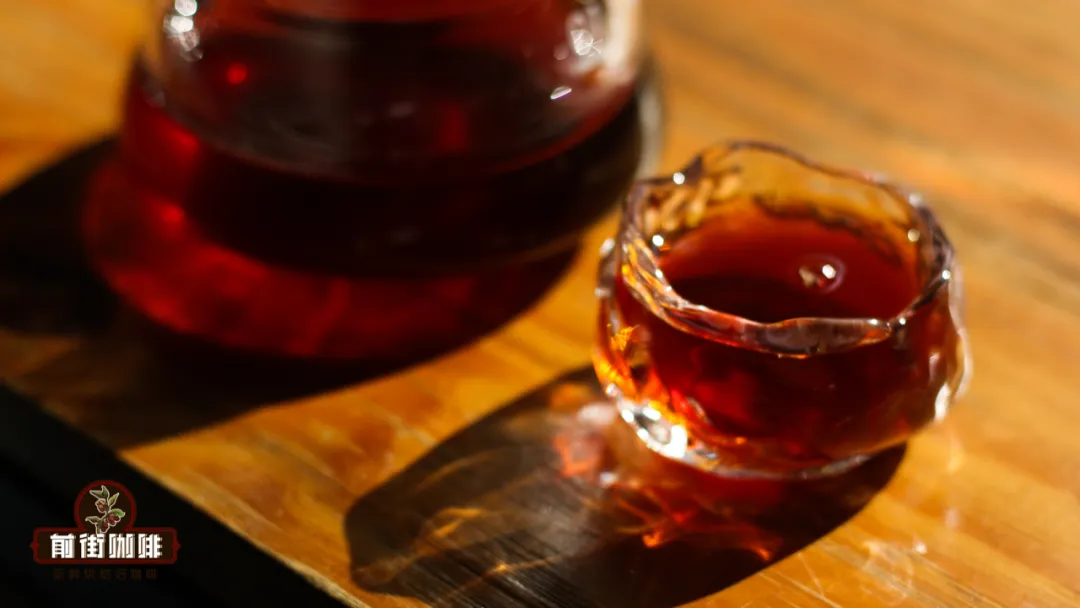
The extraction challenge with SOE is this: if you follow the dark-roast approach used for blends, the intense roasted aroma will mask the unique flavors of a single origin. Therefore,light to medium roast SOE beans require more precise parameter adjustments—generally, the grind should be finer than for pour-over (close to fine granulated sugar), the water temperature can be slightly higher at 92-94°C, the extraction time extended to 25-30 seconds, and even the dose increased (e.g., 18-20 g of coffee) to boost concentration. With improper parameters, light-roast beans tend to taste sharply acidic and thin, while dark-roast beans may develop burnt bitterness from over-extraction.
Note that espresso amplifies the coffee's original characteristics:the bright citrus acidity in pour-over may seem sharp in SOE, and a full-bodied mouthfeel may turn bitter. Therefore, choosing single-origin beans with a moderate roast level (such as medium roast) is often more versatile—they can show rich layers in pour-over and also highlight aroma through espresso extraction.

For home use, selecting quality SOE beans requires attention to three dimensions: freshness (beans within 1-2 weeks of roasting are recommended), distinct regional character (such as the citrus and floral notes of Ethiopia, or the nutty and chocolate tones of Central and South America), and roast-level suitability. Below are several classic bean examples suited to different needs:

[High-acidity, bright type] A certain Ethiopian natural-process bean (such as Hualkui), after medium roasting, still has prominent strawberry and dried mango aromas from the natural process; after espresso extraction it turns into light blueberry and berry acidity, paired with dense crema, and when made as an Americano it hints at floral notes—suitable for users who prefer fruity vibrancy.
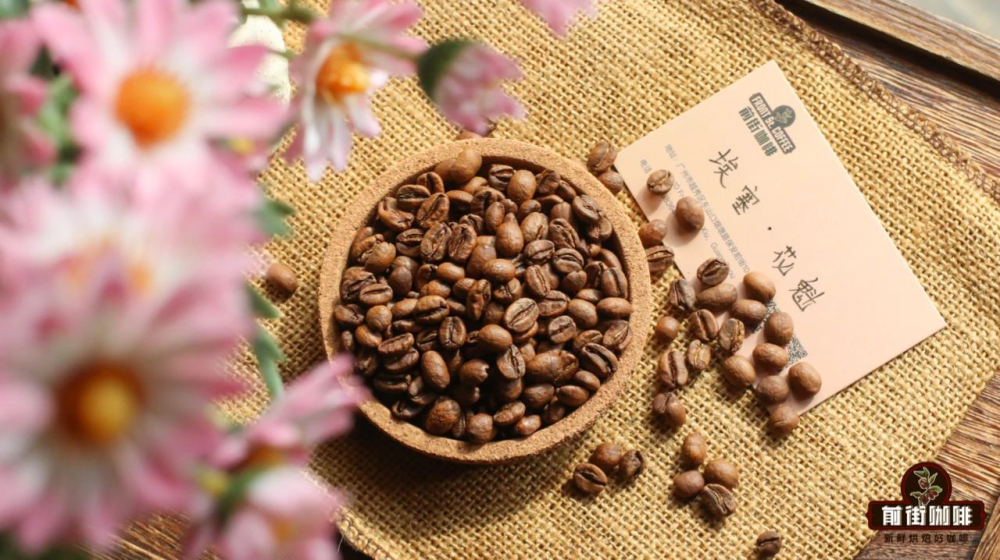
[Balanced fruity type] A red-fruit coffee bean from a high-altitude region of Africa (such as a Yirgacheffe variant), whose native variety naturally carries strong citrus and lemon acidity; it is notably sweet in pour-over, and after adjusting the grind for espresso, the espresso shows pale yellow crema, with berry sweetness and caramel balance on the palate, turning into honeyed sweetness when milk is added, with fine, dense crema.

[Nutty, creamy type] A certain medium-roast coffee bean from an island in Oceania (such as a Papua New Guinea variant); the roast preserves moderate citrus acidity while developing roasted aromas, espresso extraction highlights nutty and creamy qualities, and with milk it offers a chocolate-cream smoothness with a slight cocoa finish—suitable for those who like soft, full-bodied coffee.
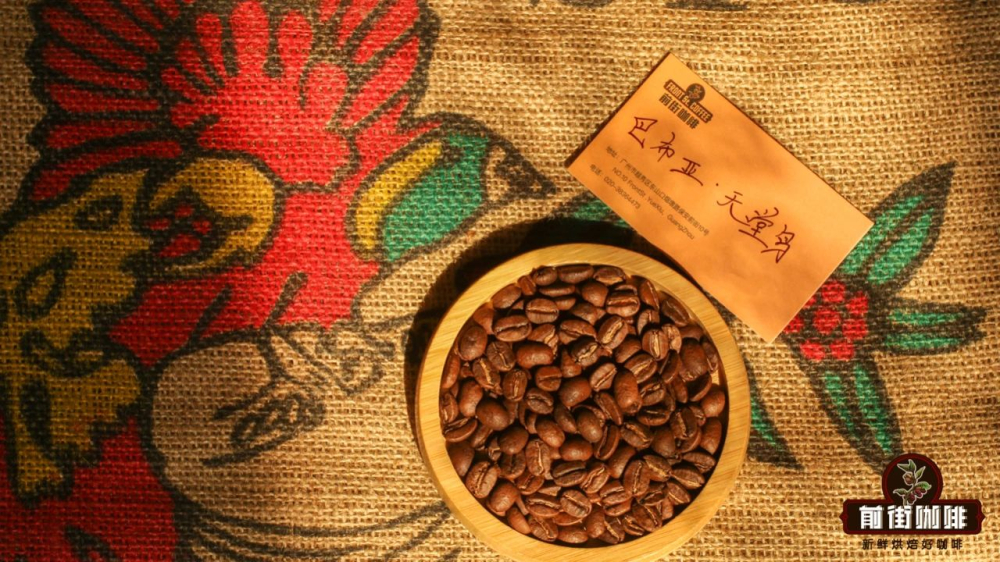
[Fermented sweetness type] A certain Central American coffee bean using a special processing method (such as an anaerobic honey variant); the mucilage layer is sealed and fermented before drying to maximize sweetness, with prominent rose and raisin sweetness in pour-over, and rich tropical fruit and fermented flavors after espresso extraction—suitable for advanced enthusiasts seeking unique flavors.

[Full-bodied, nutty type] A certain medium-dark roast coffee bean from South America (such as a Brazil variant); the roast intensifies nut, peanut and cream aromas, with a full chocolate finish; the espresso has rich crema, and when made as a milk coffee the aroma layers are rich—suitable for traditional espresso lovers.

In summary, the core difference between SOE and pour-over beans lies in the extraction logic and the way flavors are presented. Home users can choose freshly roasted single-origin beans according to personal taste preferences and adapt different brewing devices by adjusting grind, water temperature, dose and other parameters. Whether you pursue the bright acidity of SOE or prefer the gentle layers of pour-over, the key is to flexibly optimize the extraction plan according to the beans' characteristics.