Cold Brew Bitterness: Causes, Low-Bitter Recipes, Ratios and Beans
Introduction: Cold brew coffee has become a popular summer drink thanks to its refreshing, low-irritation character. But many people who make it at home run into the problem of over-extraction and bitterness. This article takes a close look at the key reasons cold brew turns bitter, breaking down the factors that affect flavor one by one—from coffee bean selection and coffee-to-water ratio to grind size and steeping time—and offers practical parameter suggestions to help you easily make a balanced, mellow, low-bitter and flavorful cold brew.
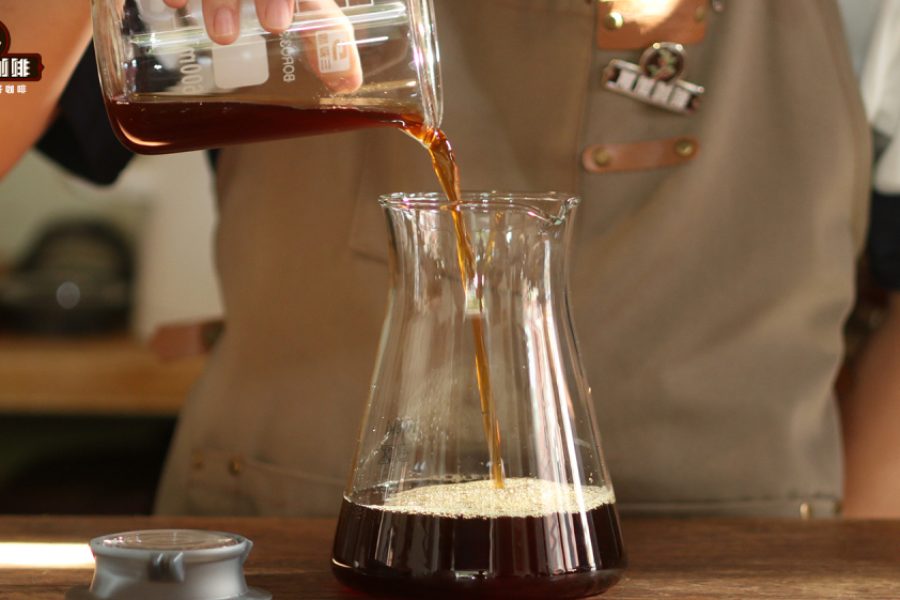
Cold brew is an extraction method in which ground coffee is steeped with cold water at low temperature for a long time. All you need is cold water, ground coffee and patience: after several hours of steeping, filter out the grounds and you have a chilled, refreshing coffee drink. Depending on the recipe and method, cold brew can present a clean, fresh baseline or rich fruity notes and distinctive fermented layers.
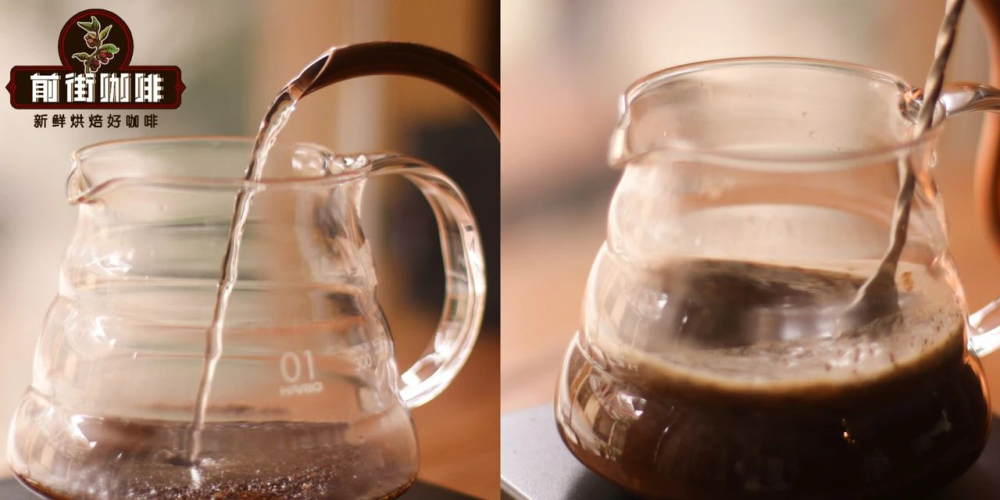
The principle behind cold brew is that cold water slowly extracts flavor compounds from the coffee. Because the whole process takes place at a low temperature of just 4-10°C, the extraction rate slows dramatically, and the large-molecule compounds that tend to bring bitterness are hard to release. At the same time, sugars, organic acids and similar substances dissolve relatively more easily, so the final cup is often balanced between sweetness and acidity, with a round, mellow mouthfeel.
However, many enthusiasts who try making cold brew at home often encounter a problem—the coffee turns bitter. This may well be related to improper coffee bean selection. The market offers a wide variety of coffee beans, with all sorts of processing methods and roast levels. In theory, almost any specialty single-origin coffee labeled suitable for pour-over can be used for cold brew. But if you want lower bitterness and a more refreshing experience, it is advisable to prioritize medium-light roast beans.
Dark-roasted beans usually carry a strong charcoal note and intense bitterness. In hot brewing this may show up as a full body with a sweet aftertaste, but under the low-temperature extraction of cold brew these traits are easily amplified, ultimately presenting as obvious burnt or carbonized notes that mask the coffee's own layers. By contrast, medium-light roast beans better highlight fresh fruit acidity, floral aromas and sweetness, and are better suited to the flavor direction of cold brew.
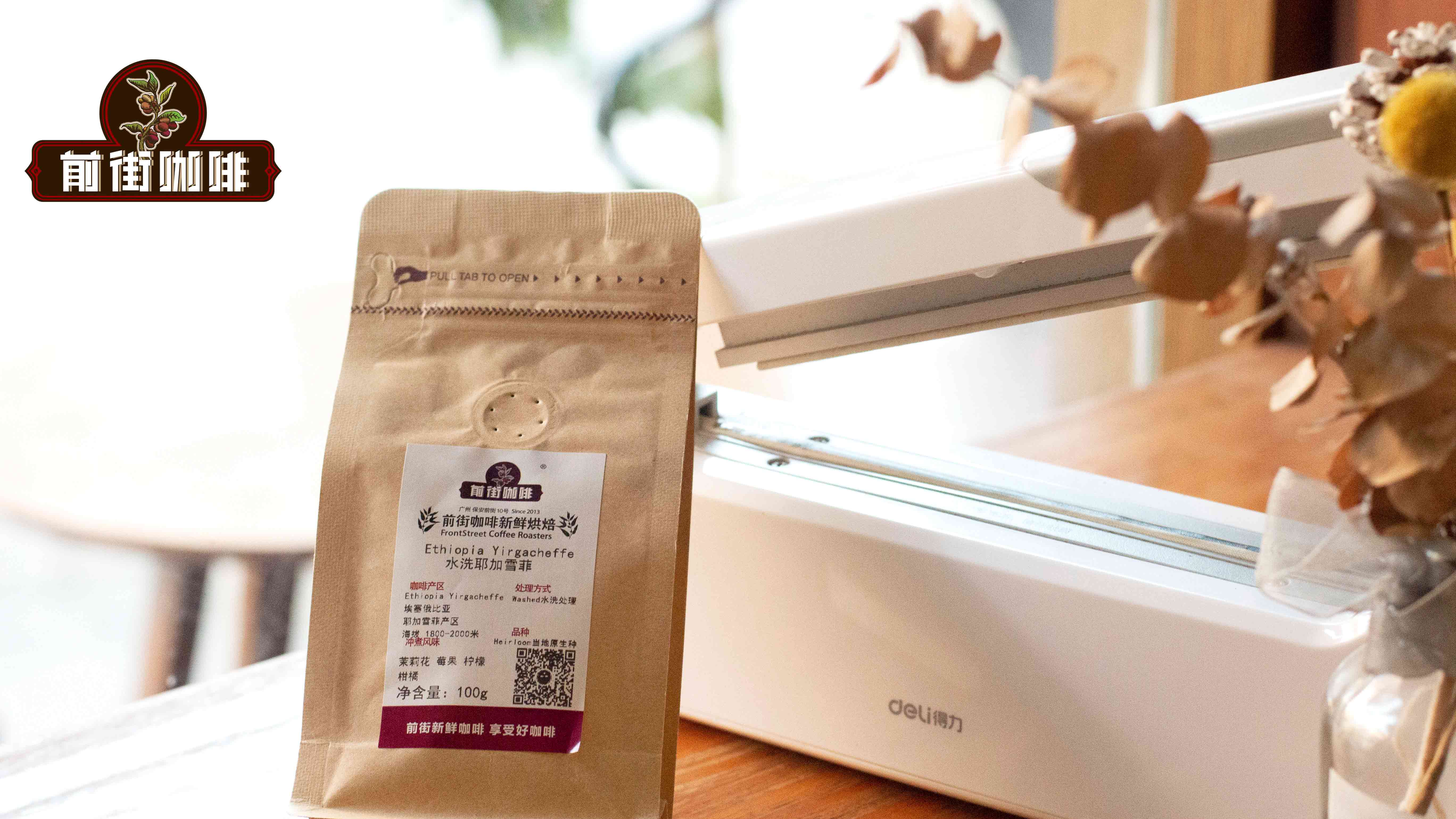
For those who like a refreshing mouthfeel, choose beans with pronounced floral or citrus notes, such as washed Yirgacheffe; these coffees usually have bright acidity and a clean taste. If you prefer coffee with a berry-like sweet-and-sour quality, try Kenyan beans with bright fruity notes. For consumers who want to highlight rich fruit flavors without too much acidity, anaerobic-fermented Colombian beans or honey-processed Brazilian and Colombian beans are all worth trying. If you prefer a more balanced taste with a prominent “coffee essence,” choose medium-roast beans with nutty and chocolatey base notes; they tend to be moderately bittersweet with a smooth finish.
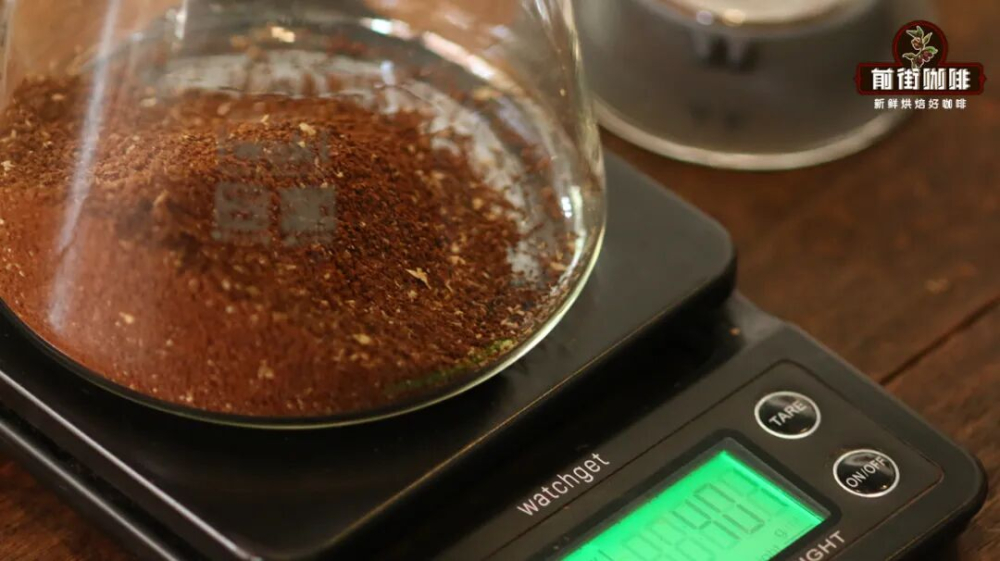
Besides bean selection, the coffee-to-water ratio is also an important parameter affecting cold brew flavor. Many beginners, to save trouble, simply mix ground coffee and water at random and let it sit, ignoring the importance of precise ratios. In fact, the coffee-to-water ratio for cold brew is best kept between 1:10 and 1:13, meaning 10-13 milliliters of water for every 1 gram of ground coffee. If the ratio is too high, for example 1:15 or above, the coffee tends to taste thin and flavorless; if the ratio is too low, such as below 1:10, it may over-extract, causing excessive bitterness and a heavy tannic feel. If the brew is too concentrated, you can dilute it with ice cubes or cold water before drinking.

Grind size and steeping time are the other two key variables affecting cold brew flavor. Many people mistakenly believe that the finer the grounds, the more intense the flavor, but in cold brew—a low-temperature, slow-extraction scenario—too fine a grind can actually cause problems. Fine grounds tend to clump in cold water, forming “mud balls” that block even contact between water and coffee. This not only hinders the normal extraction of flavor compounds but also tends to bring unpleasant off-flavors such as sawdust or dry hay, making the overall mouthfeel rough or even bitter.
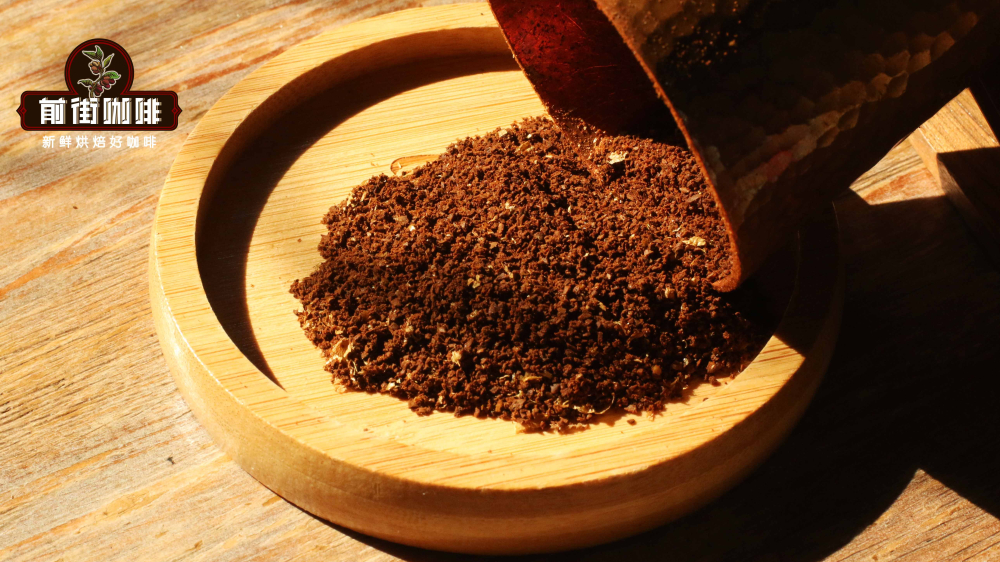
Generally, it is recommended to grind the coffee to a coarseness close to granulated sugar; when sifted with a standard sieve, a passing rate of 70%-85% is appropriate, meaning the particles are roughly the size of fine granulated sugar. This coarseness ensures extraction efficiency while making it less likely to produce negative flavors through over-extraction.
As for steeping time, cold brew usually requires 8 to 24 hours of steeping, with the specific duration adjusted according to grind size. If your grounds are finer, you can shorten the steeping time appropriately, for example 8-12 hours; conversely, if using a coarser grind, extend it to 16-24 hours to ensure full extraction. Many bitterness problems arise precisely because too fine a grind was used without a corresponding reduction in steeping time, causing excessive release of bitter compounds from the coffee.
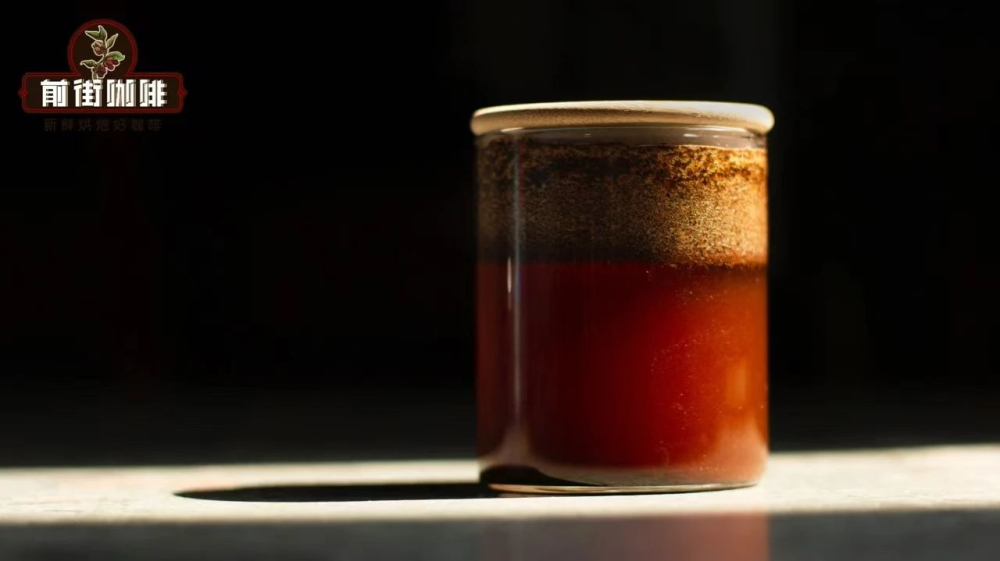
As a “lazy-friendly” way to make coffee, cold brew is especially suited to advance preparation. It is recommended to set a coarser grind before bed and steep overnight for about 12-16 hours, so you can filter and enjoy it the next morning. Even if you forget to deal with it during the day, taking it out by evening will not easily over-extract. After filtering, refrigerate the cold brew liquid for a period of maturation; the flavors will meld further and the mouthfeel will become smoother. If you like a more ice-cold taste, add ice cubes or cold water to adjust the concentration before drinking.